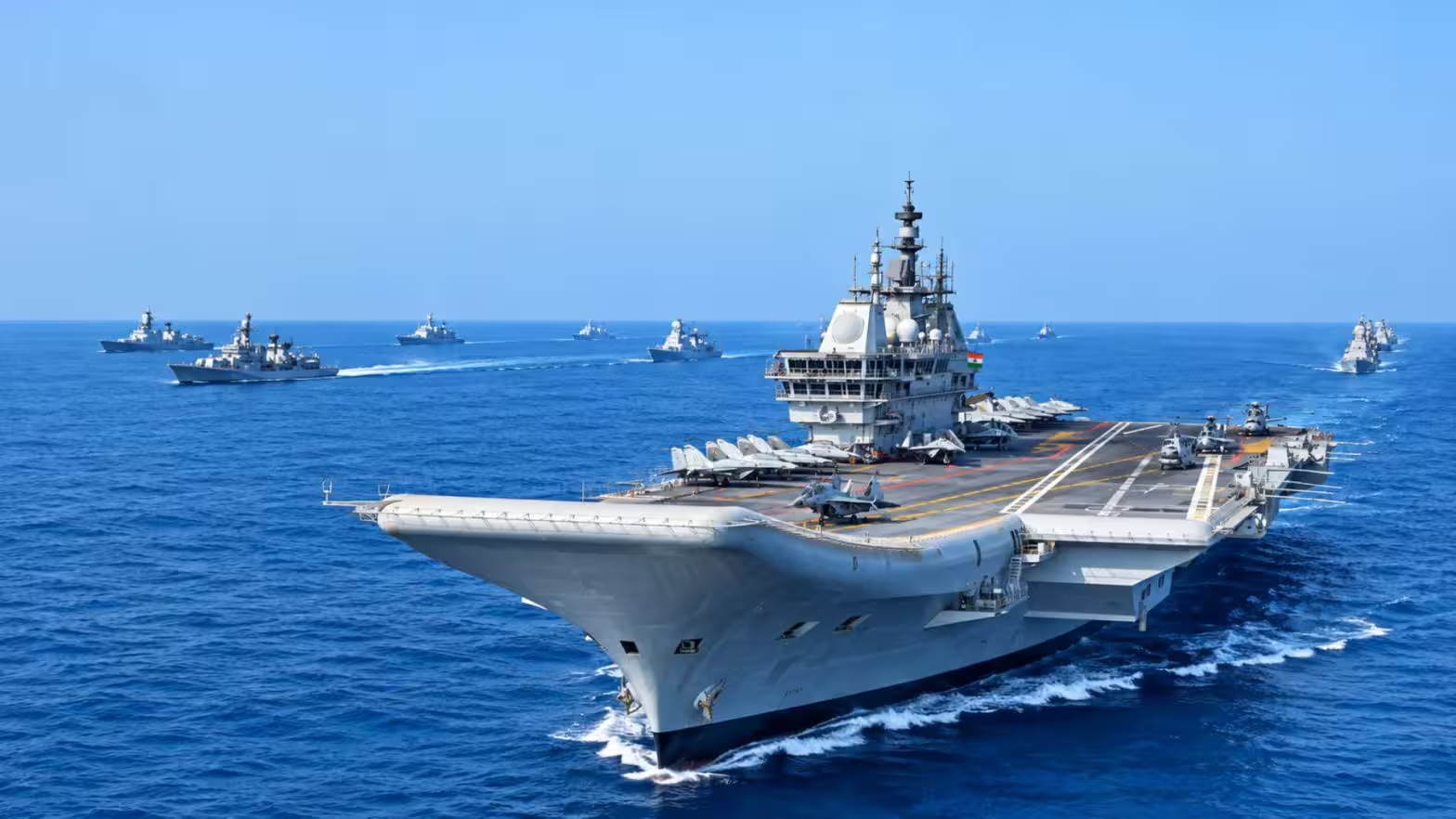
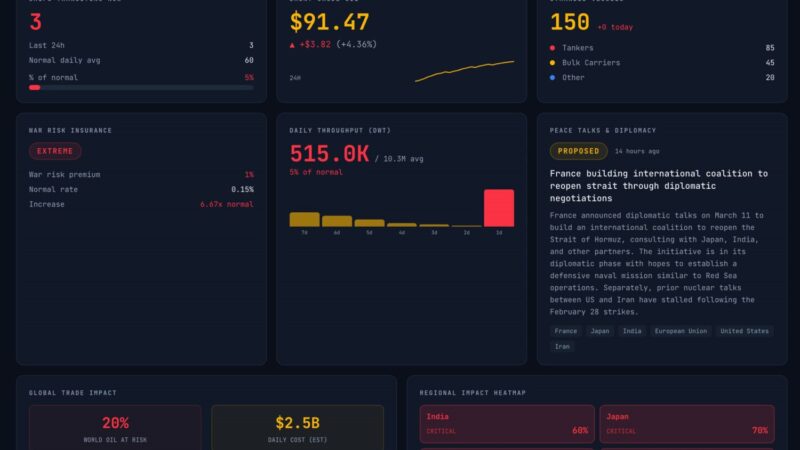
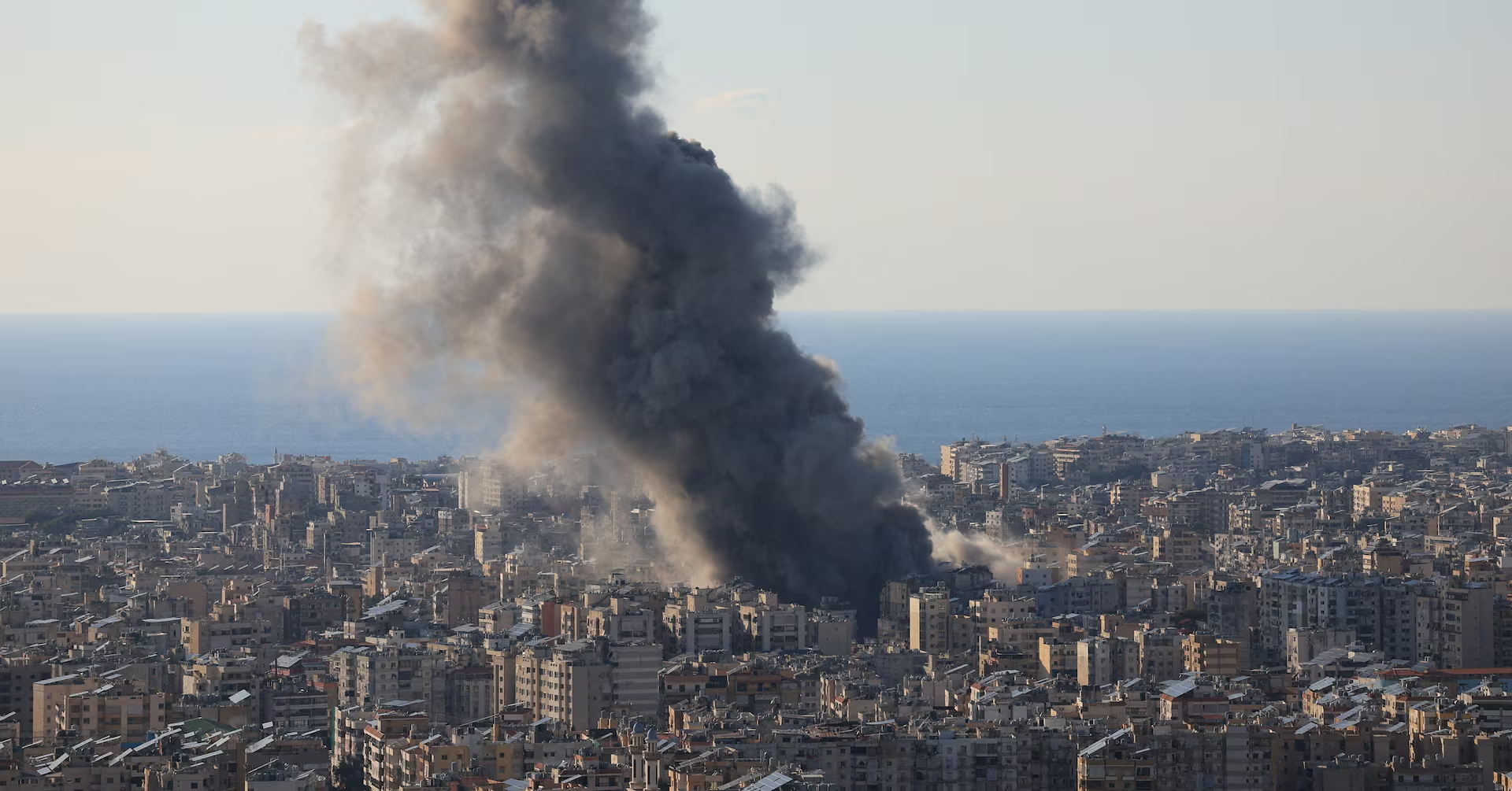
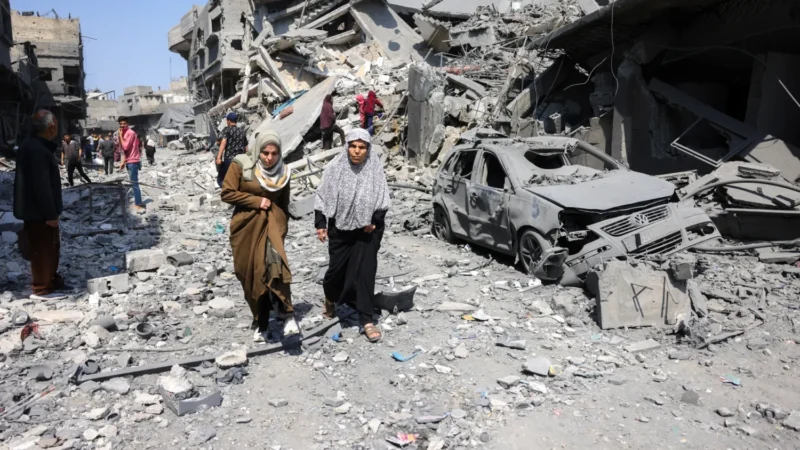
In a dramatic escalation of the Middle East conflict, three commercial vessels—a Thai-flagged bulk carrier, a Japanese container ship, and a Greek-owned bulk carrier—were struck by unknown projectiles in the Strait of Hormuz on March 11, 2026, sparking fires, crew evacuations, and fears of major disruption to this vital chokepoint that carries roughly 20% of global oil and 20% of liquefied natural gas. The incidents, part of a broader pattern of maritime attacks since late February, have caused maritime traffic to plummet, with over 150 ships anchoring outside the strait, while crude oil prices surged—Brent hovering around $91 per barrel and WTI near $85—reflecting heightened risk premiums and supply concerns. This volatility threatens energy security worldwide, with significant ripple effects: gasoline prices in the United States could rise 10-15%, fuel costs in China and India may climb sharply, Europe faces potential winter energy shortages and LNG disruptions, and oil-dependent economies like Japan and South Korea risk industrial slowdowns. If the conflict persists, analysts warn of prices potentially reaching $200 per barrel, adding inflationary pressure, currency strains, and a possible 1-2% drag on global GDP, underscoring the Strait of Hormuz as a critical global economic flashpoint.