
YTC Ventures | TECHNOCRAT MAGAZINE | www.ytcventures.com
As the conflict moves into its fourth day following the February 28 US-Israeli preemptive strikes that killed Iran’s Supreme Leader Ayatollah Ali Khamenei, the war has rapidly expanded into a multi-front regional crisis.
CNN and BBC live reporting confirm ongoing Iranian and proxy retaliation targeting Gulf US allies, Hezbollah exchanges with Israel, and Iranian threats to Gulf shipping.
President Donald Trump has warned that the “big wave” of US strikes is still to come, projecting the campaign could last four to five weeks. For Technocrat Magazine readers, the economic stakes are rising by the hour: disrupted energy flows, surging commodity prices, and strained global trade routes are already rippling worldwide.
War Overview and Involved Countries (Latest as of March 3)
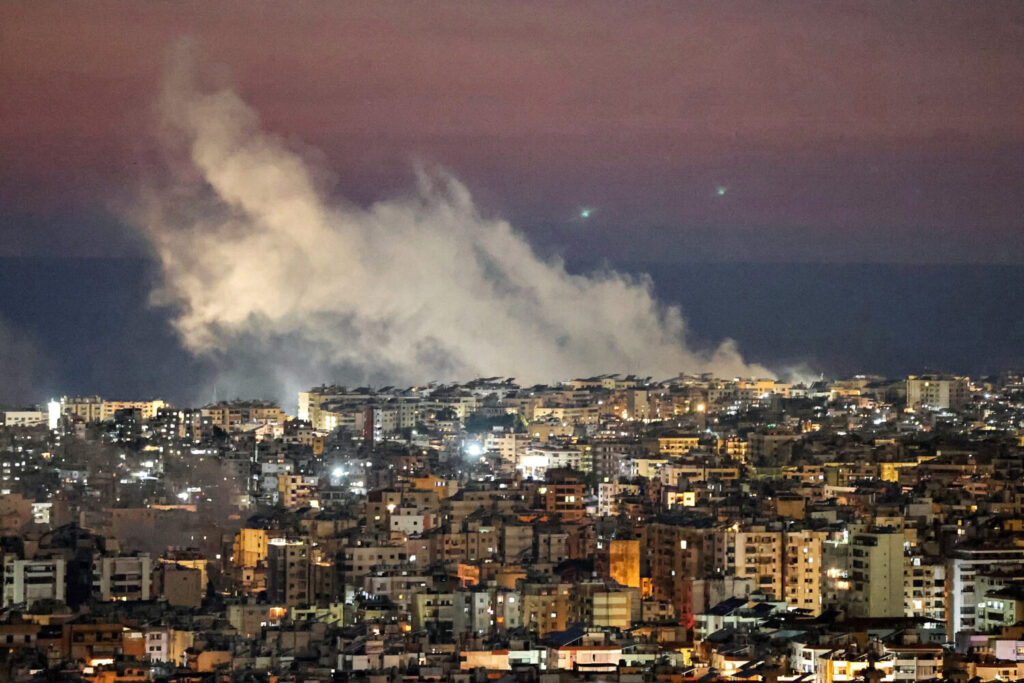
US and Israeli forces continue precision strikes on Iranian military, missile, and nuclear sites. Iran has responded with ballistic missiles and drones across the region, while Hezbollah has fired rockets and drones at Israel, triggering Israeli operations in Beirut suburbs.
Iran has effectively closed the Strait of Hormuz to commercial traffic through threats and attacks, and Yemen’s Houthis remain on alert.
Primary belligerents: United States and Israel versus Iran, with Hezbollah as Iran’s active proxy.
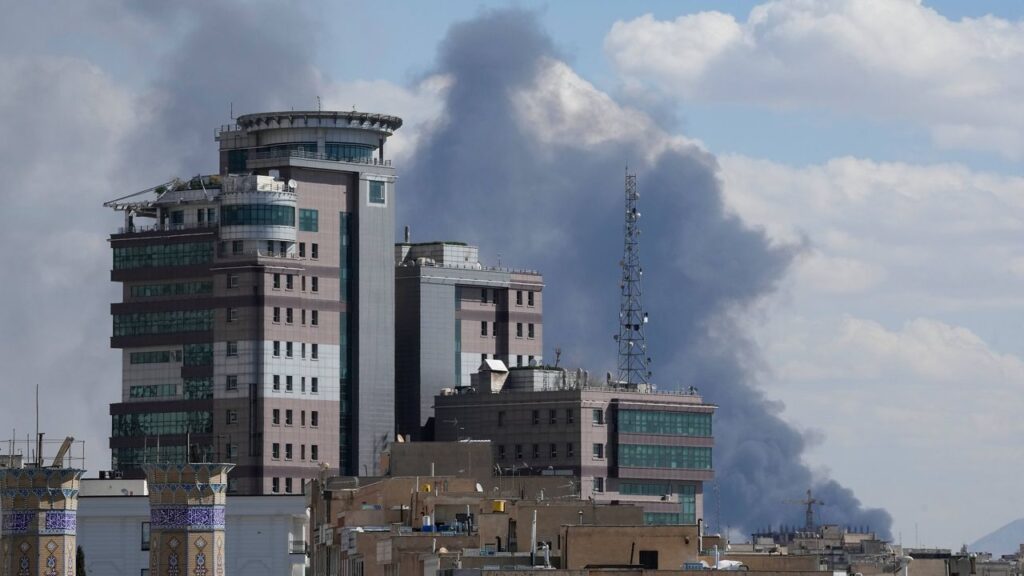
Directly involved or attacked countries (updated March 3):
- Iran (core strikes and leadership losses).
- Israel (missile/drone attacks and Lebanon operations).
- Lebanon (Hezbollah sites and Israeli response).
- Gulf states: Saudi Arabia (Riyadh embassy and Ras Tanura refinery), United Arab Emirates (Al Minhad base and data centers), Qatar (Ras Laffan LNG), Bahrain, Kuwait (US bases).
- Others: Iraq (booms near Erbil), Jordan, with US forces across multiple bases.
Total Loss of Life and Assets (Country and Location-Wise – Preliminary Figures)
Casualties and damage reports are still emerging and expected to rise.
Below is a consolidated table based on the latest CNN and BBC reporting:
| Country | Key Locations | Reported Deaths | Assets Damaged/Lost |
|---|---|---|---|
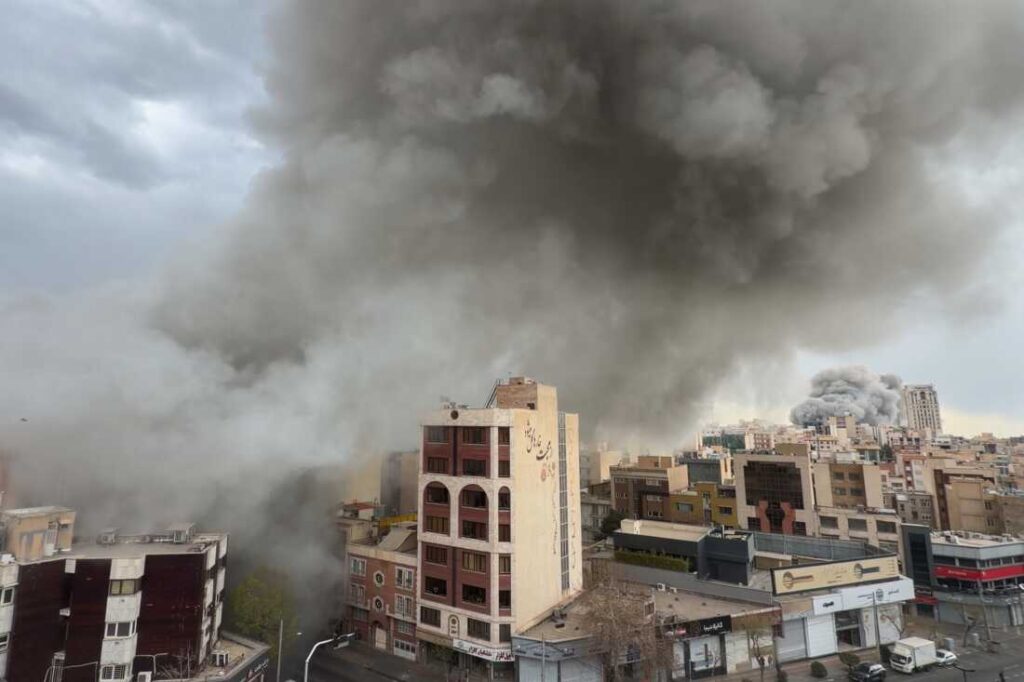
| Iran | Tehran (girls’ school, Golestan Palace, hospital) | 555+ (including 168 at school) | UNESCO-listed Golestan Palace damaged; hospital evacuated; multiple military/nuclear sites hit |
| Israel | Beit Shemesh, northern areas | 10+ (200+ injured) | Residential shelters and urban areas struck |
| Lebanon | Beirut suburbs (Haret Hreik), Tyre, southern villages | 52 | Hezbollah command centers, Al-Manar TV office, high-rise buildings collapsed |
| United States | Kuwait (US bases) | 6 service members | 3 F-15E Strike Eagles crashed (friendly fire incident) |
| Saudi Arabia | Riyadh (US Embassy), Ras Tanura | None reported | US Embassy minor fire/damage; Ras Tanura refinery (550,000 bpd) temporary shutdown |
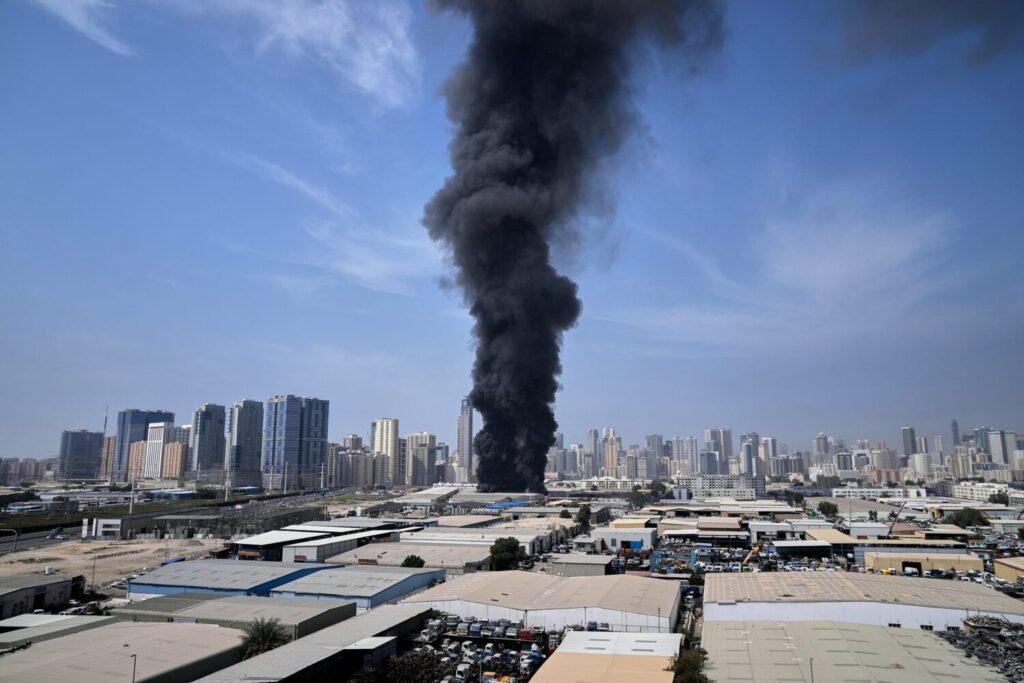
| United Arab Emirates | Al Minhad Air Base (near Dubai), AWS data centers | 3 (foreign workers) | Air base hit; two AWS data centers structurally damaged |
| Qatar | Ras Laffan LNG facility | None reported | LNG production fully halted |
| Bahrain | US naval base areas | Unknown | High-rise residential building, fuel tanks, and naval facilities hit |
Regional total:
Over 600–700 deaths confirmed so far, with hundreds injured. These figures remain preliminary.
Responses from Leaders of Involved Countries
- United States (President Donald Trump): “The big wave hasn’t even happened — the big one is coming soon.” He outlined objectives to destroy Iran’s missile capabilities, annihilate its navy, end its nuclear ambitions, and stop arming militants. Trump described the operation as the “last, best chance” to eliminate threats and projected it would last four to five weeks, adding “boots on the ground will not be necessary.”
- United States (Secretary of State Marco Rubio): “The hardest hits on Iran are yet to come… We knew there was going to be Israeli action” and acted preemptively to limit casualties. On civilian strikes: “The US would not deliberately target a school.”
- Israel (Prime Minister Benjamin Netanyahu): “This is not an endless war.” He defended the strikes as essential to prevent Iran from acquiring nuclear weapons “within months” and stated operations against Hezbollah in Lebanon “won’t end until the threat is fully removed.”
- Iran (Foreign Minister Abbas Araghchi): Called the strikes “wholly unprovoked, illegal, and illegitimate,” adding that Trump has turned “America First into Israel First — which always means America Last.”
- Iran (IRGC Adviser Brig. Gen. Ebrahim Jabbari): “The strait is closed, and anyone who wishes to pass, our heroes… will set those ships on fire.”
- Hezbollah: Launched drones into Israel “in response” to Israeli bombing in Lebanese towns.
Worldwide Leader Response Statements
- UN Secretary-General Antonio Guterres: “The use of force… undermine[s] international peace and security.” He called for “an immediate cessation of hostilities and de-escalation.”
- Russia (Ambassador Vasily Nebenzia): Condemned the “aggression” and warned it “could spill over far beyond its borders.”
- United Kingdom (Prime Minister Keir Starmer): “We did not participate in these strikes” and urged Iran to “seek a negotiated solution… the Iranian people must be allowed to determine their future.”
- Australia (Prime Minister Anthony Albanese): Backed the US and Israel “acting to prevent Iran from obtaining a nuclear weapon.”
- EU (Top Diplomat Kaja Kallas): Described events as “perilous” and emphasised diplomatic solutions alongside sanctions.
- Oman (Foreign Minister Badr Albusaidi): Expressed dismay that “active and serious negotiations have yet again been undermined.”
- Saudi Arabia: Expressed “full solidarity” with Gulf allies hit by Iranian retaliation.
AI Technology Used in the War
While CNN and BBC coverage emphasises conventional precision strikes, drones, and Tomahawk missiles, emerging operational details highlight increasing AI integration for speed and accuracy in this fast-moving conflict. Here is a summary table:
| Country | AI Technology / System | Primary Application in the War |
|---|---|---|
| United States | AI models (including reported Claude-based tools) for intelligence and simulation | Target selection, battlefield simulations, operational planning |
| Israel | Advanced AI-powered targeting and decision-support systems | Precision strikes on Iranian leadership, missile sites, and Hezbollah command centres |
| Iran | AI-enhanced guidance in ballistic missiles and attack drones | Retaliatory targeting of Gulf bases, refineries, and shipping routes |
These systems have enabled rapid, high-precision operations but also raise concerns over escalation speed and civilian risk.
Impact on Global Trade
Iran’s threats and attacks have stalled tanker traffic through the Strait of Hormuz (20% of global oil and significant LNG). Shipping lines have paused Red Sea and Gulf transits, reverting to the Cape of Good Hope route. QatarEnergy halted LNG output at Ras Laffan, and Saudi Aramco’s Ras Tanura facility faced temporary disruption.
Commodities Price Impact and Broader Global Effects
- Oil: Brent crude surged nearly 9% to around $79 per barrel; WTI up 8% to $73. Prolonged disruption could add $15–20 per barrel.
- Natural Gas/LNG: European benchmarks up nearly 48%; global LNG markets tightening due to Qatar halt.
- Shipping & Logistics: Insurance premiums and fuel costs soaring; container freight rates expected to rise sharply.
Macro fallout: Inflation risks rising in Europe and Asia; US somewhat buffered by domestic production. Markets show energy and defence stocks gaining, while broader equities and travel sectors dip. Gold is rising as a safe haven.
Outlook
Day 4 has brought no de-escalation signals. With Trump signalling more intense strikes ahead and Iran vowing to defend the Strait of Hormuz, supply-chain resilience and alternative energy routes are now urgent priorities for global businesses. Technocrat Magazine will continue tracking technology-driven solutions for energy security and trade continuity in this evolving crisis.

Comments