
YTC Ventures | TECHNOCRAT MAGAZINE | www.ytcventures.com | 9 Sept 2026
Britain’s aviation system is facing its second day of disruption after a technical failure at NATS triggered mass cancellations and delays. Airlines are now demanding answers—and some are calling for the air traffic control chief to step down.
By Technocrat Magazine | Business & Travel
Britain’s airports are facing another day of disruption as the fallout from a major air traffic control system failure continues to ripple across the country’s aviation network.
More than 1,900 flights have now been cancelled across two days, according to flight-tracking data, after a technical failure at National Air Traffic Services (NATS) disrupted operations on Tuesday and continued to affect passengers into Wednesday.
The immediate technical problem has been resolved, but the aviation system cannot simply restart at the push of a button.
Aircraft and crews are in the wrong locations. Passengers are stranded. Flight schedules have been disrupted across multiple airports.
And now, the crisis has moved beyond travel disruption.
It has become a question of accountability, resilience and the future of Britain’s air traffic control infrastructure.
MORE THAN 1,900 FLIGHTS CANCELLED
The scale of the disruption has grown rapidly.
More than 1,750 flights were cancelled on Tuesday, while a further 153 cancellations were recorded by early Wednesday, taking the two-day total beyond 1,900.
Major airports affected include:
- Heathrow
- Gatwick
- Manchester
- Stansted
- Birmingham
- London City
The disruption has also affected international flights travelling to and from the UK.
The problem was initially reported on Tuesday afternoon, when NATS said it was investigating a technical issue affecting flight departures.
Although NATS subsequently implemented a fix, the consequences continued long after the system itself began recovering.
WHY DOES A TECHNICAL FAILURE CAUSE SO MUCH CHAOS?
This is perhaps the most important question for passengers.
Air travel operates as an interconnected system.
One cancelled flight doesn’t necessarily affect one group of passengers.
It can affect:
The aircraft → the crew → the next flight → the next airport → connecting passengers → baggage → airport gates → subsequent flights.
Once aircraft and crews become displaced, airlines have to rebuild their schedules.
That creates what aviation experts call a knock-on effect.
In other words, fixing the computer system does not instantly fix the airline network.
Reuters reported that airlines were still warning of disruption on Wednesday because aircraft and crew had been left out of position following Tuesday’s outage.
PRESSURE MOUNTS ON NATS CHIEF
The crisis has now turned into a leadership issue.
Martin Rolfe, chief executive of NATS, has been summoned by UK Transport Secretary Heidi Alexander to explain what happened.
Rolfe has apologised to passengers and said NATS will conduct a full investigation.
He has also ruled out a cyberattack, describing the failure as an unprecedented event during his time overseeing the organisation.
But airlines are becoming increasingly vocal.
Ryanair and Wizz Air have called for major reforms at NATS, with criticism extending to demands for Rolfe’s resignation.
The anger is understandable from the airline industry’s perspective.
This is not the first serious NATS-related technical disruption in recent years.
The latest incident is being viewed against previous system failures in 2023 and 2025, intensifying concerns about the resilience of Britain’s aviation infrastructure.
“THIS IS NOT JUST A COMPUTER PROBLEM”
The bigger concern is infrastructure resilience.
Modern aviation depends on extraordinarily sophisticated technology.
Flight planning.
Airspace management.
Aircraft sequencing.
Radar and surveillance.
Communication systems.
Weather information.
Airport operations.
Crew scheduling.
All of these systems have to work together.
When one critical component fails, the effects can travel through the entire network.
That makes air traffic control one of the most important pieces of national digital infrastructure.
The current crisis therefore raises a much larger question:
Is Britain’s air traffic control technology sufficiently resilient for the demands of modern aviation?
NATS: SAFETY WAS NEVER COMPROMISED
NATS has stressed that safety remained its priority and that the technical issue did not compromise the safety of flights.
Rolfe has maintained that the UK’s air traffic control system remains among the safest and most resilient in the world.
But safety and reliability are not exactly the same thing.
A system can be safe when operating correctly while still creating enormous economic damage if it repeatedly becomes unavailable.
And that is where the current political and commercial pressure is likely to focus.
AIRLINES ARE FEELING THE PAIN
The disruption has created a major operational headache for airlines.
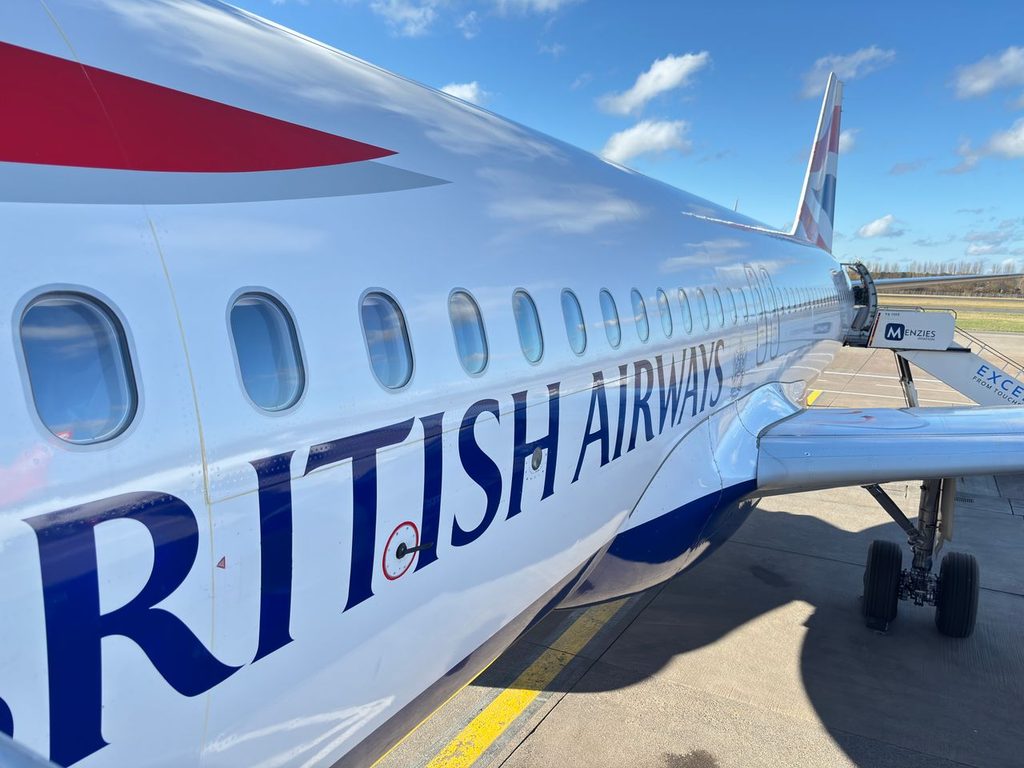
British Airways said it had been forced to cancel or divert more than 100 flights on Tuesday afternoon, affecting tens of thousands of customers.
Ryanair said more than 65,000 passengers had experienced delays of up to eight hours during the disruption and called for the NATS chief to resign.
For airlines, the cost extends beyond refunds.
They must potentially deal with:
- Rebooking passengers
- Crew accommodation
- Aircraft repositioning
- Missed connections
- Baggage disruption
- Airport congestion
- Compensation and passenger care
- Schedule recovery
A few hours of disruption can therefore become a multi-day operational problem.
WHAT SHOULD PASSENGERS DO?
Passengers travelling from UK airports should check their airline’s flight status before leaving for the airport.
Airports and airlines continue to advise travellers to monitor official updates because disruption can change rapidly as the network recovers.
If a flight is cancelled, passengers covered by UK passenger-protection rules generally have the right to choose between a refund or alternative transportation, subject to the applicable rules.
Airlines may also have obligations to provide reasonable care during significant disruption.
However, compensation is a separate issue and may not automatically apply when disruption results from circumstances outside an airline’s control.
THE BUSINESS COST COULD BE MUCH BIGGER
The immediate victims are passengers.
But the economic consequences spread much further.
Airports lose revenue.
Airlines face higher operating costs.
Hotels deal with stranded passengers.
Rail services can experience additional demand.
Businesses face missed meetings and delayed deliveries.
Tourism suffers.
International connections become less predictable.
And confidence in the infrastructure itself can be affected.
For a country that depends heavily on international aviation, reliability is an economic asset.
THE REAL TEST BEGINS AFTER THE SYSTEM IS FIXED
The most important part of this story may happen after the airports return to normal.
The UK now faces several questions:
What exactly failed?
Why did it fail?
Why was the failure so disruptive?
Were backup systems sufficient?
Why have similar incidents occurred in recent years?
What investment is required?
Who should be accountable?
And perhaps the biggest question:
Can passengers trust Britain’s air traffic control infrastructure to remain resilient as air travel continues to grow?
THE TECHNOLOGY LESSON
The UK aviation crisis is a powerful reminder of an uncomfortable truth about modern infrastructure:
The more dependent we become on technology, the more important resilience becomes.
Artificial intelligence, cloud computing and automated systems can dramatically increase efficiency.
But efficiency without resilience can create fragility.
A system that works perfectly 99.99% of the time may still cause enormous disruption when the remaining 0.01% arrives.
That is why the next generation of critical infrastructure will not simply need to be smarter.
It will need to be:
Redundant.
Recoverable.
Transparent.
Secure.
Resilient.
WHAT HAPPENS NEXT?
NATS has committed to a comprehensive investigation into the failure.
The UK’s Civil Aviation Authority has also sought an incident report and will assess whether further action is required.
Meanwhile, airlines are demanding reforms and passengers are waiting for the network to fully recover.
The immediate crisis may eventually disappear from airport departure boards.
But the political and technological questions it has exposed are unlikely to disappear so quickly.
THE BOTTOM LINE
Britain’s latest aviation crisis started with what appeared to be a technical problem.
It has become something much bigger.
More than 1,900 flights cancelled.
Hundreds of thousands of passengers affected.
Major airports disrupted.
Airlines demanding reform.
The NATS chief under intense scrutiny.
And a government demanding answers.
The system may be recovering.
But Britain’s confidence in its air traffic control infrastructure now needs to recover too.
Technocrat Magazine | Business • Technology • Aviation • The Future

Comments