Welcome to YTC VENTURES   Listen to the TECHNOCRAT Insight Welcome to YTC VENTURES
IRAN WAR U.S.A

Iran War Updates: Iran Warns of Hits on Energy Sites After Trump’s Explosive 48-Hour ThreatMarch 23, 2026 | Technocrat Magazine

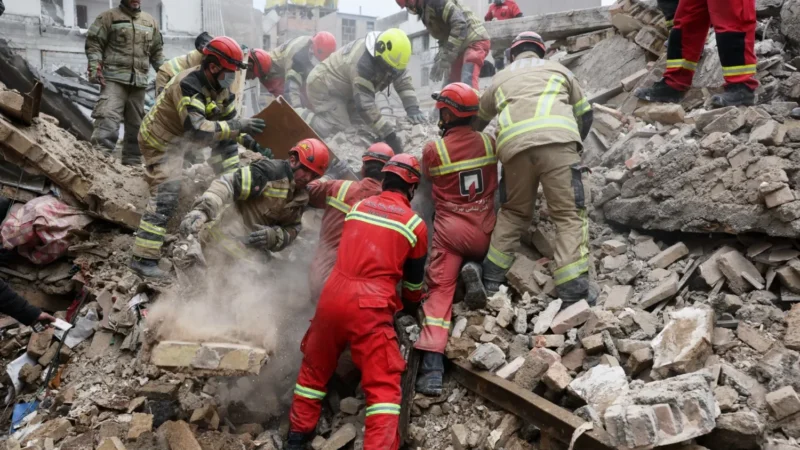
As the US-Israel war on Iran enters its fourth week on March 23, 2026, President Donald Trump issued a dramatic 48-hour ultimatum demanding Iran fully reopen the Strait of Hormuz—the vital artery for 20% of global oil trade—or face the “total obliteration” of its energy infrastructure, including the Bushehr nuclear power plant. Iran responded with unyielding defiance, vowing to indefinitely seal the strait and target US-allied energy sites, IT systems, Gulf oil terminals, and desalination plants across the region if struck, with Parliament Speaker Mohammad Baqer Qalibaf warning of an imminent “Gulf blackout” that could plunge economies into chaos. With oil prices surging past $100 per barrel and global markets on edge, the next 24–48 hours could trigger catastrophic supply disruptions, massive GDP losses estimated in the trillions, and a humanitarian crisis in water-dependent Gulf states—marking one of the most dangerous flashpoints in modern energy geopolitics.

No Comments Read More
IRAN WAR Trending News U.S.A WAR

U.S. Precision Strike on Kharg Island: Military Targets Neutralized

President Donald Trump announced that U.S. Central Command executed one of the most powerful bombing raids in Middle East history, totally obliterating every military target on Iran’s Kharg Island—the country’s primary oil export hub handling ~90% of crude shipments. Oil infrastructure was deliberately spared, but Trump warned of immediate reconsideration and potential strikes on export facilities if Iran or others interfere with free and safe passage through the Strait of Hormuz. The calibrated strike escalates Week 2 of U.S.–Israel operations against Iranian assets amid reported mining and shipping disruptions in the strategic chokepoint.

No Comments Read More
IRAN WAR Trending News U.S.A

Iran’s Devastating Blow to U.S. Missile Defenses: Analyzing the Destruction of THAAD Radars

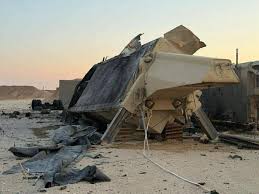
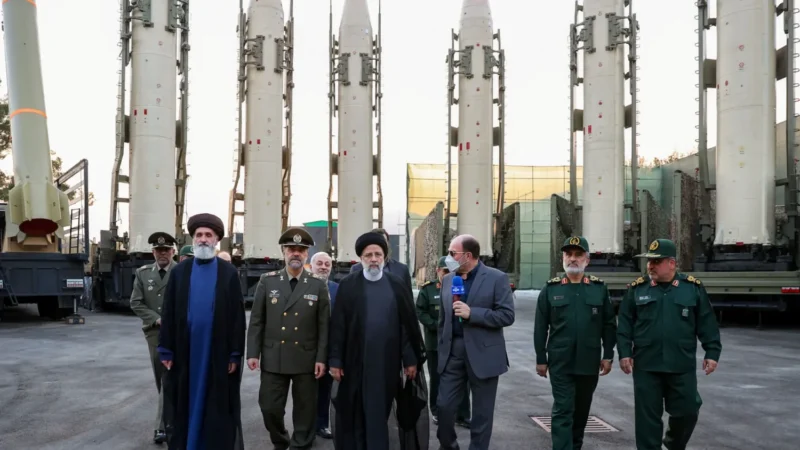
Iran DESTROYS $300M+ US THAAD Radar: Massive Cost Asymmetry Shocks Global Defense – Game Over for Billion-Dollar Shields?Iran has stunned the world by destroying a critical $300 million AN/TPY-2 radar – the heart of America’s THAAD missile defense system – at Jordan’s Muwaffaq Salti Air Base. Satellite images from early March 2026 show the high-value asset blackened and surrounded by debris after an Iranian drone strike, with reports of additional radar hits across the Gulf.This strike perfectly demonstrates asymmetric warfare in action: low-cost Iranian drones and missiles (~$20,000–$60,000 each) obliterating ultra-expensive US tech worth hundreds of millions to billions.Cost of Destruction: The Brutal Asymmetry TableIran’s cheap weapons are forcing massive financial pain on the US and allies – here’s the breakdown:Destroyed/Damaged Asset
Estimated Cost (per unit)
Attacking Weapon (Iranian)
Attacker Cost (per unit)
Cost Ratio (Defender : Attacker)
Strategic Impact
AN/TPY-2 THAAD Radar (Jordan – Confirmed)
$300–$550 million
Shahed drone or precision strike
$20,000–$60,000
5,000–27,500 : 1
Blinds missile tracking over key Gulf area
Additional AN/TPY-2 Radars (UAE x2, Saudi x1 – Reported)
$300–$1 billion each (total ~$1–$3B)
Low-cost drones/missiles
$20,000–$60,000
5,000–50,000 : 1
Cripples regional THAAD network coverage
AN/FPS-132 Early Warning Radar (Qatar example)
Up to $1.1 billion
Single drone or missile
$20,000–$50,000
22,000–55,000 : 1
Weakens early detection for THAAD/Patriot
THAAD Interceptors (defensive use)
$12–$15 million each
Drone swarms
$20,000–$50,000
240–750 : 1
Rapidly drains expensive stockpiles
Total Estimated Losses (Radars Only)
$2–$3 billion+
Multiple low-cost strikes
Millions
Extreme asymmetry
Forces reliance on stretched Patriot systems

Iran’s total spend: Likely under $100–$500 million for the campaign phase.
US/allied bleed: Billions in irreplaceable assets (radars take years to rebuild) + ongoing defense costs.
Why asymmetry wins: One cheap drone forces millions in damage or intercept spending – unsustainable long-term.

Asymmetric Warfare Redefined: Iran’s MasterclassAsymmetric warfare lets a smaller force punch way above its weight by targeting expensive, vulnerable points instead of matching strength head-on. Iran excels here:Swarm tactics — Flood skies with affordable drones to overwhelm and exhaust billion-dollar interceptors.
Precision hits on high-value targets — Radars are static, rare, and irreplaceable fast.
Economic warfare — Make defense prohibitively expensive while attackers spend fractions.
Psychological victory — Proves even “invincible” US systems have glaring weaknesses.

This mirrors Ukraine’s drone successes but on a Gulf scale – and it’s shifting the power dynamic fast. Energy markets are volatile, US stockpiles strained, and questions mount: Can high-tech dominance survive budget innovation?

No Comments Read More
Trending News U.S.A

War Machine (2026): A High-Octane Sci-Fi Thriller Blending Boot Camp Grit with Alien Mayhem

In the ever-evolving landscape of sci-fi action films, War Machine (2026) emerges as a pulse-pounding entry that pits elite soldiers against an extraterrestrial threat. Directed by Patrick Hughes and starring Alan Ritchson in a commanding lead role, this Netflix original follows a group of Army Rangers enduring their final grueling boot camp—only for a deadly alien force to crash the training and turn it into a brutal fight for survival. Released theatrically in limited markets like Australia before its global Netflix debut, the film has quickly become a trending sensation, topping streaming charts and igniting conversations about modern filmmaking techniques, high-energy action, and the seamless blend of practical stunts with cutting-edge VFX.

No Comments Read More
Trending News U.S.A WAR

Latest Update: The 2026 US-Israel-Iran War Enters Day 4 – Escalation Widens with Retaliatory Strikes Across the Region

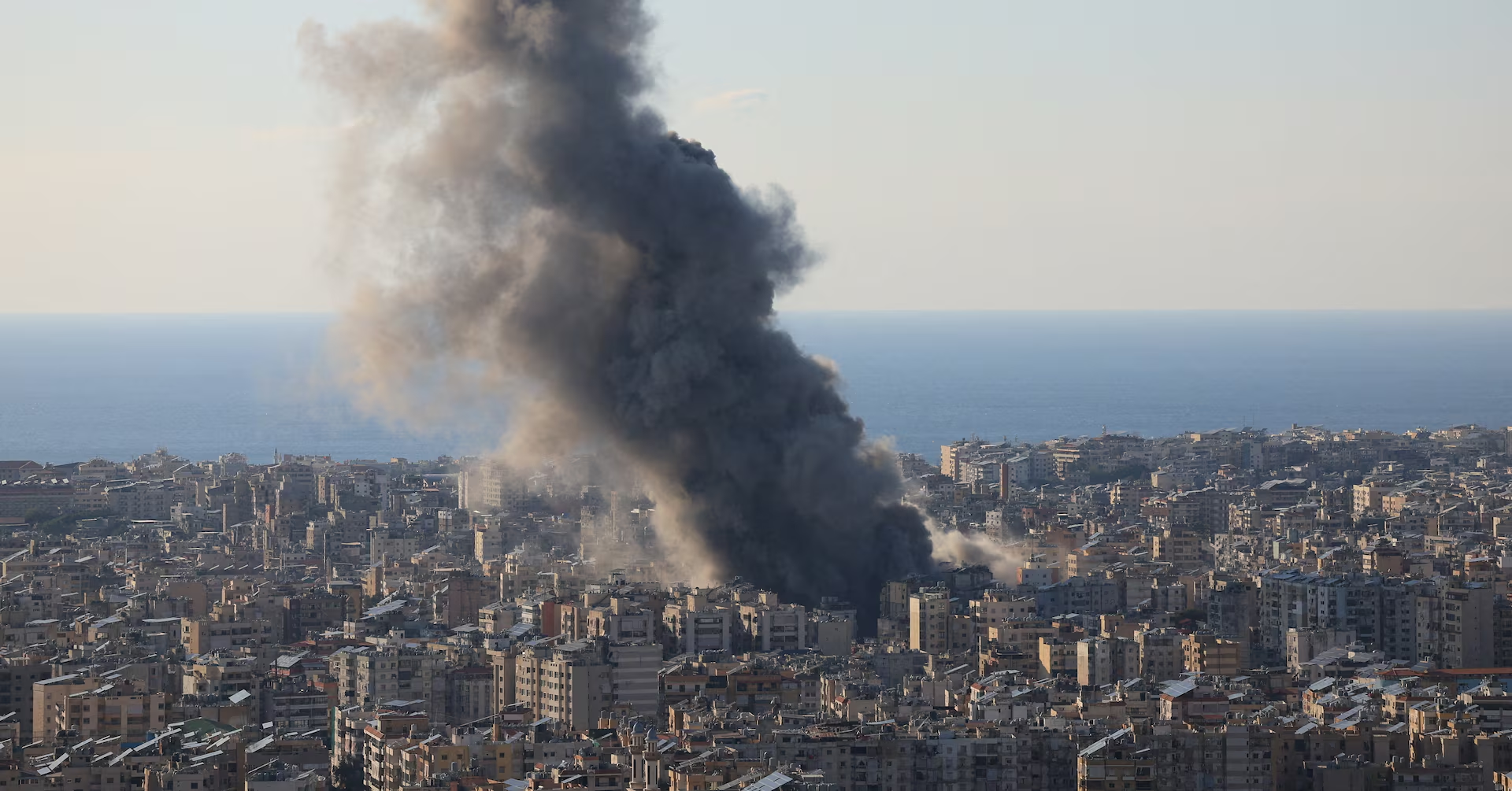
The 2026 US-Israel-Iran war, now in its fourth day as of March 3, escalated rapidly after joint US and Israeli preemptive strikes on February 28 killed Iran’s Supreme Leader Ayatollah Ali Khamenei and targeted nuclear, missile, and military sites, prompting Iranian ballistic missile and drone retaliation across the region, including hits on US bases in the Gulf, the US Embassy in Riyadh, energy facilities in Qatar and Saudi Arabia, and Hezbollah exchanges with Israel in Lebanon; President Donald Trump described the campaign as the “last, best chance” to destroy Iran’s missile capabilities, navy, nuclear ambitions, and proxy support, projecting it could last four to five weeks with more intense “big wave” strikes ahead and warning of additional US casualties (now at six service members killed), while Iran’s IRGC declared the Strait of Hormuz closed and threatened to set fire to any passing ships, driving oil prices up sharply amid fears of global energy disruptions, with no signs of de-escalation as the conflict widens into a multi-front regional crisis affecting Gulf neighbors and global trade.

No Comments Read More
U.S.A WAR

Iran-US-Israel War 2026: Explosive Timeline, Cities Hit, Shocking Casualties, Weapons Used & Why It Started – Latest Analysis

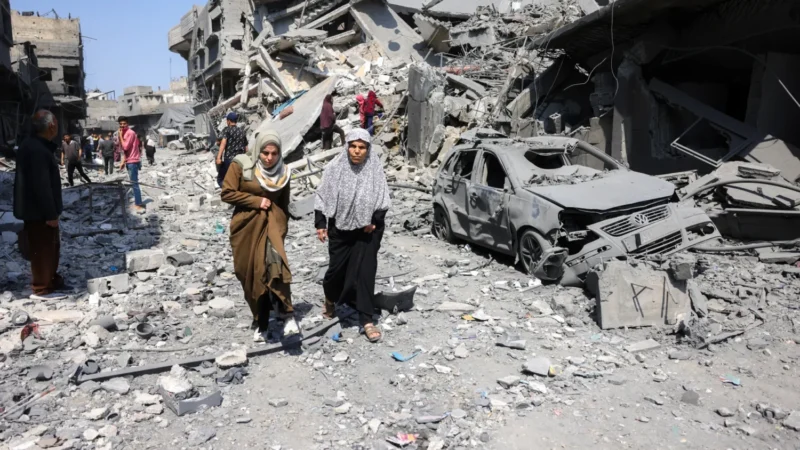
Iran–US–Israel War Erupts – February 28, 2026Joint US–Israeli airstrikes killed Supreme Leader Ayatollah Ali Khamenei and dozens of top commanders in Tehran on day one. Iran retaliated with hundreds of ballistic missiles and drones, striking Dubai landmarks (Burj Al Arab on fire, Jebel Ali port hit), Al Udeid Air Base in Qatar, and Israeli cities including Tel Aviv and Jerusalem.Confirmed deaths (as of March 2, 2026):
Iran: 201+ (including 148+ at Minab girls’ school)
Israel: 11
UAE (Dubai): 3
USA: 3 troops
Qatar: 0 dead, 16 injured
Total: Over 220 killed, hundreds woundedWeapons deployed: B-2 stealth bombers, 200+ Israeli jets, Tomahawk & HIMARS missiles vs. Iran’s ballistic missiles, Shahed-136 drones, and cruise missiles. Iran temporarily closed the Strait of Hormuz.Root cause: Iran’s advancing nuclear program, collapsed talks, and long-standing proxy & direct confrontations. President Trump calls it a fight to eliminate an “existential threat” and open the path for Iranian freedom.The war is in its third day. Oil prices surging. Global alarm rising. Civilians in Tehran, Dubai, and Doha paying the heaviest price.

No Comments Read More
Switzerland Trending News U.S.A

ALPS TRAGEDY: Avalanche Derails Swiss Regional Train Near Goppenstein, Injuring Five of 29 On Board

On February 16, 2026, an avalanche struck a BLS RegioExpress train near Goppenstein in Switzerland’s Valais canton, derailing it between Goppenstein and Hohtenn. With 29 passengers aboard amid level 4-5 avalanche warnings, five were injured—one hospitalized—while all were safely evacuated. The incident highlights alpine rail vulnerabilities to extreme weather, prompting scrutiny of avalanche protection engineering and real-time detection tech.

No Comments Read More
Artificia Intelligence Bengaluru Brazil Canada INDIA Investments Mumbai Switzerland Trending News U.K U.S.A

Trending Article: Top Industries to Invest in Q1 2026 for Maximum ROI by 2030

In Q1 2026, investors seeking maximum ROI through 2030 are prioritizing high-growth sectors driven by AI acceleration, energy transitions, and resource optimization, with Artificial Intelligence and Automation leading due to enterprise adoption and infrastructure scaling, followed closely by Renewable Energy and Utilities for powering AI data centers and electrification trends, Healthcare and Biotechnology for personalized medicine amid demographic shifts, FinTech for digital inclusion, Cybersecurity for rising threats, Manufacturing and Robotics for supply chain resilience, E-commerce and Logistics for optimized digital retail, and the emerging WaterTech sector—particularly AI-powered solutions like real-time monitoring intelligence layers (the WAATRACK angle)—for addressing global water scarcity through predictive leak detection, quality tracking, and sustainable resource allocation, positioning early-stage startups in these vertical AI applications for outsized compounded returns via scalable, data-moated innovations.

No Comments Read More
Artificia Intelligence Bengaluru Brazil Canada Design INDIA Investments Japan Mumbai Switzerland U.K U.S.A

The Pitch by Deel 2026: Win Up to $1 Million in the Biggest Global Startup Competition of the Year

The Pitch by Deel is a groundbreaking global startup competition launched in February 2026 by Deel, the leading HR and payroll platform, offering seed-stage founders worldwide a shot at up to $1 million in SAFE investment through a merit-based tournament with a total prize pool of up to $15 million. Founders apply online in just five minutes, select a primary region, and—if selected—deliver a 2-minute live pitch in English at in-person regional finals across seven major tech hubs: Tel Aviv (March 23), Dubai (April 6), Paris (April 13), Berlin (April 20), London (April 28), Singapore (May 6), and New York (May 13). Up to 100 regional winners each secure $50,000 in funding plus travel to the Global Finals in May 2026, where up to 10 champions claim the $1 million grand prize, alongside perks like exclusive investor intros, startup software deals, and a borderless founder community—no fees, no equity required to enter, making it an accessible, high-ROI opportunity for ambitious pre-seed to early Series A teams building scalable innovations.

No Comments Read More
Artificia Intelligence Bengaluru Education Employment Entrepreneur INDIA Investments U.K U.S.A UX

AI Phobia and Strong US Jobs Data Wipe Out ₹4 Trillion in Indian IT Market Cap in Just Six Weeks

India’s IT sector has lost ~₹4.14 trillion in market value in just six weeks. The twin triggers: explosive ‘AI phobia’ among investors fearing agentic AI will dismantle the classic billable-hours outsourcing model, and unexpectedly strong US jobs data that has pushed back Fed rate-cut hopes — freezing corporate tech budgets in America, the source of 60–70% of Indian IT revenue.Analysts now warn that 9–12% (and in some segments up to 30–40%) of current revenues could evaporate in the next 3–5 years as clients achieve massive productivity gains through in-house or third-party AI tools. Traditional pyramid staffing structures are crumbling; entry- and mid-level coding, testing, and support roles face structural decline.Yet the story is not pure destruction. Nimble small and mid-sized IT firms — armed with vertical specialization, proprietary AI layers, and India’s giant domestic sandbox — are positioned to capture the next wave of growth. By 2030, successful IT services will be lean, domain-deep, AI-orchestrated ecosystems: 75% human–AI collaboration, 25% fully autonomous agents, outcome-based pricing, and global hybrid delivery models.The message is clear: adapt to become an AI-transformation partner, or risk prolonged stagnation. The Indian IT sector stands at an existential fork

No Comments Read More

Reset password

Enter your email address and we will send you a link to change your password.

Get started with your account

to save your favourite homes and more

Sign up with email

Get started with your account

to save your favourite homes and more

By clicking the «SIGN UP» button you agree to the Terms of Use and Privacy Policy
Powered by Estatik

Sign In

Register

Reset Password

Please enter your username or email address, you will receive a link to create a new password via email.

Listen to the TECHNOCRAT Insight