
YTC Ventures | TECHNOCRAT MAGAZINE | www.ytcventures.com
India is in the midst of a severe LPG crisis in 2026, triggered by the Iran war and the blockade of the Strait of Hormuz. Households face long queues, commercial supplies have been slashed, and black-market prices have spiked in some areas.
With nearly 60-65% of India’s LPG imported (mostly from the Middle East), the disruption has exposed the fragility of relying on ships and road tankers for a fuel used by over 330 million domestic connections.But amid the shortage comes a game-changing solution: a massive ₹12,500 crore, 2,500 km LPG pipeline network.
The Petroleum and Natural Gas Regulatory Board (PNGRB) is finalizing bids for four major pipelines that will connect refineries and import terminals directly to bottling plants. By 2030, bulk LPG transport by road tankers will be phased out entirely — marking the beginning of the end for the tanker-and-cylinder system that has defined India’s cooking gas supply for decades.
Why India Is Facing an LPG Shortage Right Now
India’s annual LPG consumption stands at approximately 33.21 million tonnes (2025-26). Domestic production meets only about 40% of demand under normal conditions; the rest comes via imports. Over 90% of these imports historically pass through the Strait of Hormuz.
When geopolitical tensions closed the route in early 2026, imports dropped sharply — by nearly 50% in March alone in some estimates.Refineries ramped up output by 25%, temporarily pushing domestic production to cover nearly 60% of needs, but the gap remains. Northern and inland states suffer the most due to long-distance trucking from western ports.
The crisis has forced the government to prioritize household supply while cutting commercial allocations, leading to widespread inconvenience and higher costs.This is not just a temporary blip — it is a wake-up call. India’s heavy dependence on imported LPG and inefficient road transport (tankers carrying bulk LPG to bottling plants) creates repeated vulnerability to global shocks.
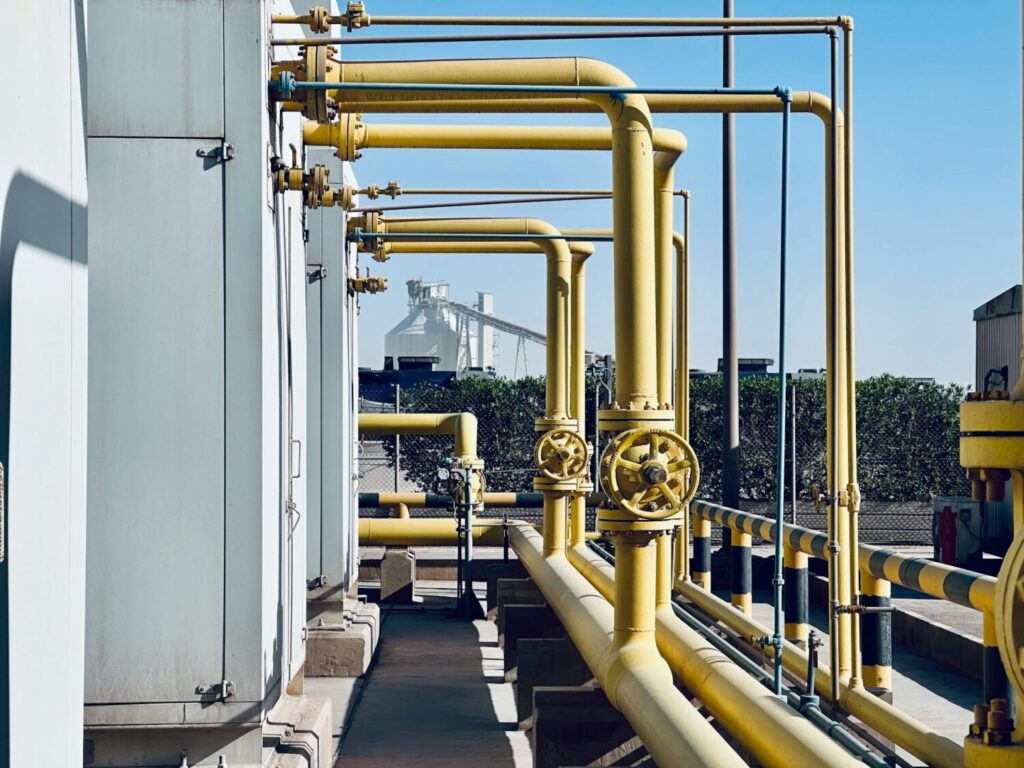
The 2,500 Km Pipeline Plan: How Tankers Become Obsolete
PNGRB has identified nine LPG pipeline projects. Bids are nearing completion for four key routes totaling around 2,500 km:
- Cherlapally–Nagpur Pipeline
- Shikrapur–Hubli–Goa Pipeline
- Paradip–Raipur Pipeline
- Jhansi–Sitarganj Pipeline
These pipelines will directly link refineries and import terminals to bottling plants across the country. The estimated investment is ₹12,500 crore.Why this changes everything:
- Safety: Road tankers are prone to accidents and pose fire hazards. Pipelines are far safer for bulk movement.
- Efficiency & Reliability: No more delays due to traffic, weather, or port congestion. Continuous supply to bottling plants means faster cylinder refills and fewer stockouts.
- Cost Savings: Reduced transportation costs will eventually lower subsidy burden and stabilize prices.
- Environmental Benefits: Fewer diesel-guzzling tankers mean lower emissions and reduced road congestion.
- Strategic Security: Less dependence on vulnerable sea routes and road logistics during crises.
By 2030, the government aims to completely eliminate bulk road transport of LPG. This is the first major step toward a modern, pipeline-based gas supply system — similar to how natural gas and petroleum products are already moved across the country.
High-Value B2B Supply Chain: How Execution of These Projects Will Be Aligned and What Materials Will Be Sourced
The ₹12,500 crore LPG pipeline projects will be executed primarily through Engineering, Procurement, and Construction (EPC) contracts awarded by PNGRB and implementing agencies (oil PSUs like IOCL, BPCL, HPCL, or specialized pipeline operators).

Bids are structured on a suo-moto basis with a strong emphasis on Make in India, quality standards (API 5L for pipes), and timely delivery to meet the 2030 deadline for phasing out road tankers.High-value B2B supply will be aligned through a multi-layered procurement ecosystem:
- Main EPC tenders handle overall laying, testing, and commissioning.
- Material procurement is often unbundled or sub-contracted by EPC winners to verified suppliers via open tenders, GeM portal, or specialized B2B platforms.
- Focus on domestic sourcing where possible (steel pipes, valves, coatings) to reduce forex outflow, with imports allowed only for specialized items like high-grade SCADA systems.
- Timeline-driven alignment: Suppliers must meet strict delivery schedules tied to pipeline sections, with penalties for delays. Pre-qualification includes ISO certifications, past project references, and financial capacity for large orders (often ₹50-500 crore per package).
Key raw materials and construction materials to be sourced
include high-pressure steel infrastructure for LPG transport (which operates at 20-50 bar), corrosion-resistant coatings, and civil infrastructure for valve stations and crossings. These materials ensure safety, longevity (design life 30+ years), and compliance with PNGRB/PESO standards.
Major categories: steel line pipes (bulk of cost), valves & fittings, protective coatings, and site construction consumables.Here is a detailed table of high-value B2B supply items expected for the 2,500 km network (estimates scaled to total project scope based on typical LPG pipeline benchmarks):
| Item Category | Specific Items / Specifications | Estimated Scale / Requirement | Key Sourcing Notes / B2B Value |
|---|---|---|---|
| Steel Line Pipes | API 5L Grade X52/X60, diameters 8″-18″, wall thickness 8-12 mm | ~2,500 km total length (main + spur lines) | Highest value item (~40-50% of material cost); domestic mills like Jindal Saw, Welspun, SAIL preferred |
| Valves & Actuators | Carbon Steel Ball Valves, Gate Valves, Check Valves (Class 300-600) | 500+ units across stations | Critical for flow control; tenders already seen for similar gas networks |
| Pipe Fittings & Flanges | Elbows, Tees, Reducers, Flanges (ANSI B16.5) | Proportional to pipeline length | Forged/forged steel; high-pressure rated |
| Corrosion Protection Systems | 3LPE / FBE Coatings, Cathodic Protection (MMO anodes, transformers) | Full pipeline coating + 100+ CP stations | Essential for underground sections; anti-corrosion mandatory |
| SCADA & Instrumentation | Monitoring systems, RTUs, flow meters, pressure transmitters | Integrated across entire network | Tech-heavy; often imported or JV-supplied |
| Civil & Construction Materials | Ready-Mix Concrete (RMC), Structural Steel, Geotextiles, Backfill Sand/Gravel, HDPE Sleeves | Valve chambers, river crossings, road boring | Bulk civil works (~15-20% of project); local RMC suppliers critical for speed |
| Welding & Consumables | Electrodes, Flux, Welding Machines | For all field joints | High-volume consumable supply chain |
| Miscellaneous | Pig Launchers/Receivers, Insulating Joints, Markers | Per pipeline terminal | Specialized pipeline accessories |
These items represent multi-crore B2B opportunities for suppliers across steel, engineering, and construction sectors.
How Suppliers Can Fulfill Requirements: Get Verified at YAKBOS.com Platform
To tap into this massive B2B opportunity, suppliers must position themselves as reliable partners for EPC contractors and PSUs.
The go-to platform for quick, verified access is YAKBOS.com — India’s dedicated High-Value B2B Supply & Export Platform.
Step-by-step process to get verified and win contracts:
- Sign up as a Supplier on yakbos.com and create a detailed listing under relevant categories (e.g., Steel Pipes, Cement Suppliers, Construction Materials, Valves & Fittings).
- Apply for Verified Vendor Partner (VVP™) Program — This is YAKBOS’s exclusive trust badge that verifies credentials, financials, past performance, and compliance (GST, MSME, ISO, etc.).
- Showcase capabilities with product catalogs, capacity proofs, and case studies tailored to oil & gas / pipeline projects.
- Connect directly with buyers: The platform links verified suppliers to high-value tenders, logistics partners, and export opportunities. EPC firms scouting for the LPG pipeline bids actively use such platforms for fast sourcing.
- Leverage tools like bulk inquiry alerts and professional website integration to stand out.
YAKBOS is already powering B2B deals in construction materials (plywood, RMC, bulk water for sites) and is perfectly positioned for energy infrastructure. Getting the VVP™ tick signals “trusted & ready” to PNGRB-linked projects, giving suppliers an edge in competitive bidding and faster order closures.
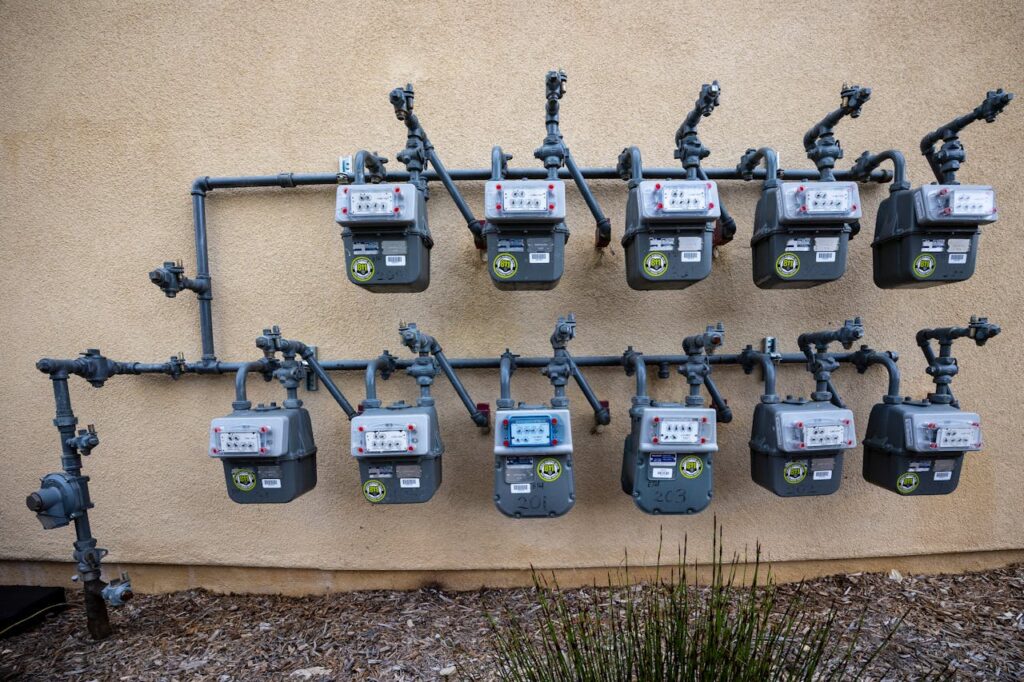
Parallel Push: From Cylinders to Piped Natural Gas (PNG)
While the new LPG pipelines handle bulk transport, the government is simultaneously accelerating City Gas Distribution (CGD) networks. In areas with PNG availability, households are being given a 90-day window to switch from LPG cylinders to piped gas — or risk losing subsidized LPG supply.
Over 580,000 new PNG connections were added in March 2026 alone, showing rapid momentum.PNG offers 24×7 supply with no booking, no delivery delays, and lower long-term costs. This dual strategy (LPG pipelines + PNG expansion) will gradually reduce cylinder demand in urban and semi-urban areas, freeing up LPG for rural households.
State-Wise LPG Consumption in India (Active Domestic Customers as of latest 2025-26 data)
Here is a snapshot of LPG reliance across states (in lakh active domestic connections). Uttar Pradesh leads due to its massive population.
| Rank | State | Active Domestic LPG Customers (lakh) |
|---|---|---|
| 1 | Uttar Pradesh | 483.4 |
| 2 | Maharashtra | 317.1 |
| 3 | West Bengal | 271.3 |
| 4 | Tamil Nadu | 237.6 |
| 5 | Bihar | 229.4 |
| 6 | Karnataka | 188.5 |
| 7 | Rajasthan | 183.8 |
| 8 | Andhra Pradesh | 159.5 |
| 9 | Gujarat | 127.8 |
| 10 | Odisha | 100.6 |
(Data compiled from official sources; smaller states and UTs like Lakshadweep have under 1 lakh connections.)
Current LPG Cylinder Prices (as of April 2026)
- Domestic 14.2 kg cylinder: ₹912.50 (Mumbai) to ₹939 (Kolkata). Prices vary slightly by state due to taxes and freight.
- Commercial 19 kg cylinder: ₹2,031 (Mumbai) and higher in other cities.
Prices have seen modest hikes recently, but the pipeline plan aims to stabilize them long-term by cutting logistics costs.
How to Book LPG Cylinder Online & Delivery Process (Step-by-Step)
- Register/Link your connection: Use the unified portal myLPG.in or individual apps — Indane (IOCL), BharatGas (BPCL), or HP Gas (HPCL).
- Book refill:
- Online: Log in → Select “Book Refill” → Pay via UPI/card/net banking.
- App: Download respective company app for quick booking.
- SMS/IVRS: Send SMS to company number or call toll-free IVRS (e.g., 1906 for emergency).
- WhatsApp: Many distributors now support WhatsApp booking.
- Track & Pay: Get confirmation SMS. Payment is usually upfront or cash-on-delivery.
- Delivery: Cylinder is delivered within 3–7 days (faster in normal times). Delivery agents carry it to your kitchen. Minimum gap rules apply (25 days urban / 45 days rural).
In crisis times like now, delivery may take longer — but the pipeline network will dramatically improve this in coming years.
Analysis: A Historic Shift That Turns Crisis into Opportunity
The 2026 LPG shortage, painful as it is, has become the catalyst for long-overdue reform.
By investing in dedicated LPG pipelines and opening massive B2B supply opportunities, India is not only solving immediate distribution bottlenecks but building energy resilience — and creating thousands of crores in domestic manufacturing and supply chain jobs.Tanker transport — slow, risky, and expensive — will become history by 2030. For suppliers, platforms like YAKBOS.com offer a direct gateway to participate. For millions of Indian households, this means fewer “no stock” notices, safer roads, and eventually a seamless shift to piped gas in cities.The message is clear: India is done depending on vulnerable tankers.
The pipelines — and the B2B ecosystem powering them — are coming. A more secure, efficient, and opportunity-rich future for every kitchen and every supplier in the country is dawning.

Comments