
YTC Ventures | TECHNOCRAT MAGAZINE | www.ytcventures.com
April 16, 2026
In one of the most audacious corporate reinventions of the year, Allbirds (NASDAQ: BIRD) — the once-celebrated pioneer of eco-friendly wool sneakers — announced on April 15, 2026, that it is selling its core footwear business and rebranding as NewBird AI.
The company is pivoting entirely into AI compute infrastructure, acquiring high-performance GPU assets and positioning itself as a GPU-as-a-Service provider.
The market’s reaction was immediate and explosive: shares soared nearly 600% in a single trading session, jumping from under $3 to as high as $23 before closing around $17 — adding over $127 million in market value to a company that had been teetering on the edge of irrelevance.This headline-grabbing move caps a decade-long journey that began with humble, planet-friendly sneakers and ends (for now) with a desperate but timely bet on the AI boom.
Below is a deep dive into the company’s origins, founders, financial trajectory, and what this radical pivot could mean for its future.
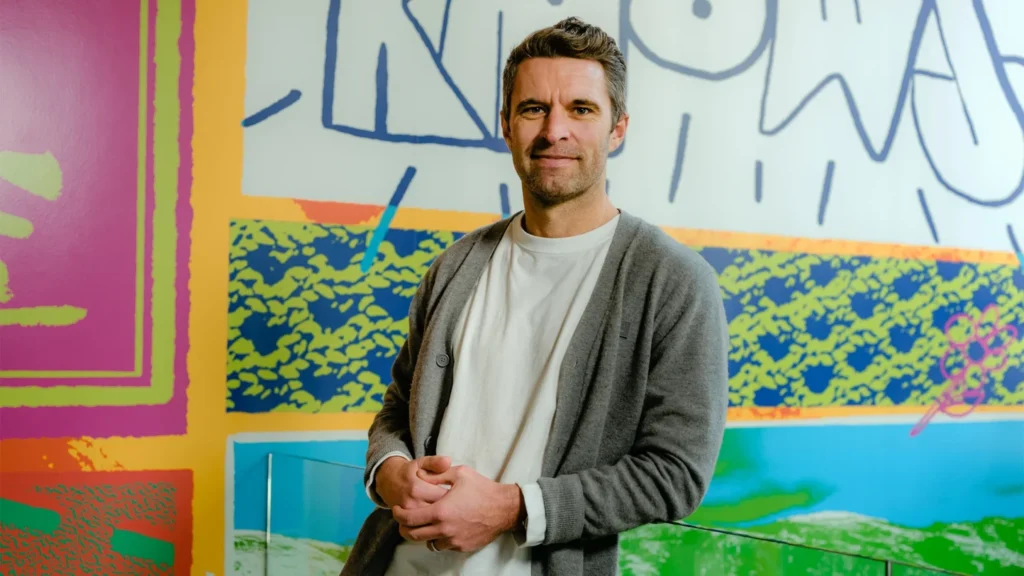
The Founders and Their Origin Story
Allbirds was co-founded in 2015 by Tim Brown and Joey Zwillinger, an unlikely duo whose complementary backgrounds created a perfect storm for disruption in the footwear industry.
- Tim Brown, a New Zealand native, was a professional soccer player and vice-captain of the national team that reached the 2010 FIFA World Cup. After retiring from the pitch, Brown — who also had a background in graphic design — grew frustrated with uncomfortable, logo-heavy athletic shoes. While studying in business school, he began experimenting with Merino wool, New Zealand’s abundant natural resource that had lost market share to synthetic materials. In 2014, he launched a Kickstarter campaign for a simple wool sneaker prototype. It raised $119,000–$120,000 in just five days. The name “Allbirds” nods to New Zealand’s unique ecosystem — a land with no native mammals, only birds.
- Joey Zwillinger, a San Francisco-based biotech engineer and Wharton graduate, brought technical and sustainability expertise. He had previously run a chemicals business unit focused on renewables and sold an algae-fuel venture. Zwillinger’s passion for climate action aligned perfectly with Brown’s vision. The two connected through their wives (college roommates at Dartmouth) and formally teamed up in 2015. Zwillinger handled supply-chain innovation and scaling while ensuring the brand remained carbon-neutral.
Together, they launched the iconic Wool Runner in March 2016 — marketed as “the world’s most comfortable shoe.” The brand emphasized minimalist design, premium natural materials, and radical transparency on environmental impact.
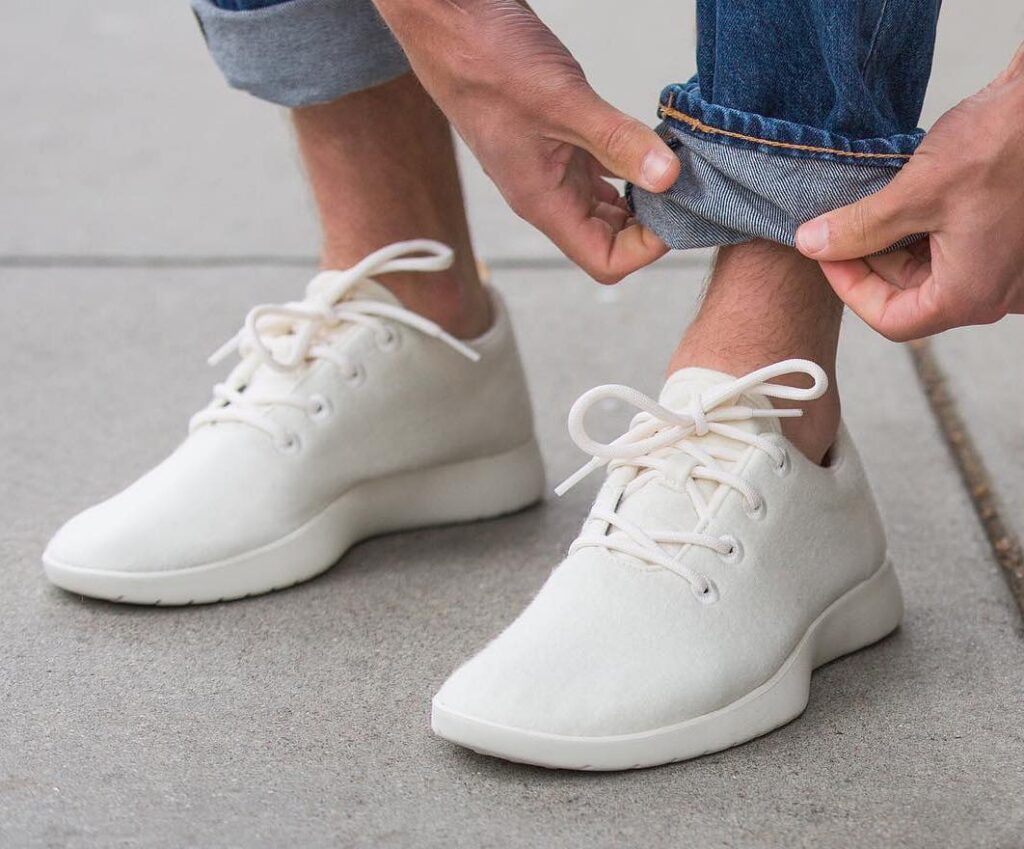
Backed by investors including Leonardo DiCaprio, Tiger Global, and Maveron, Allbirds exploded in popularity among Silicon Valley tech workers, millennials, and eco-conscious consumers. By 2018 it had raised tens of millions, opened stores, and reached a multi-billion-dollar valuation pre-IPO.The company went public in November 2021 at a peak valuation of roughly $4 billion. But the post-IPO era proved brutal: slowing demand, rising competition from traditional sneaker giants, supply-chain inflation, and a broader pullback in direct-to-consumer brands led to declining sales and persistent losses.
Financial History: The Rise, Peak, and Decline
Allbirds’ public financials paint a clear picture of hyper-growth followed by contraction.
The table below shows annual Profit & Loss (P&L) highlights from its IPO year through the most recent full year (fiscal 2025, ended December 31, 2025). All figures in millions of USD.
| Year | Revenue | Gross Profit | Operating Income | Net Income |
|---|---|---|---|---|
| 2021 | 277.5 | ~129.6 | N/A | (45.4) |
| 2022 | 297.8 | ~129.6 | N/A | (101.4) |
| 2023 | 254.1 | ~104.2 | N/A | (152.5) |
| 2024 | 189.8 | ~81.1 | (~100.1) | (93.3) |
| 2025 | 152.5 | 62.6 | (75.2) | (77.3) |
Key observations:
- Revenue peaked in 2022 then declined sharply (~49% drop by 2025) as consumer spending shifted and competition intensified.
- Gross margins held relatively steady in the 40–43% range until recent years, reflecting the premium pricing of sustainable materials.
- Persistent operating and net losses reflect high marketing spend, store expansion, and the challenges of scaling a direct-to-consumer model in a post-pandemic retail environment.
- Pre-IPO data is not fully public, but the company grew from virtually zero in 2016 to over $100 million in revenue by 2018–2019, fueled by viral marketing and celebrity endorsements.
Note: These figures represent the legacy footwear business. With the announced sale of footwear assets (reportedly for approximately $39 million) and the pivot to AI infrastructure, future P&L statements will look entirely different.
The 2026 Pivot: Why Now, and What’s Next?
Facing mounting losses, shrinking revenue, and a depressed stock price, Allbirds executed a $50 million convertible financing facility with an unnamed institutional investor.
The proceeds will fund the acquisition of high-performance, low-latency AI compute hardware (primarily GPUs). The company plans to lease this capacity on a long-term basis — essentially becoming a specialized cloud provider in the exploding AI infrastructure market.
The rebrand to NewBird AI signals a clean break from its heritage.
While the move has been mocked in some circles as a desperate “AI everything” hype play, it reflects a brutal reality: the sustainable-footwear category has matured, margins have compressed, and the AI compute sector is delivering outsized returns for investors willing to take on infrastructure risk.
Risks and opportunities:
- Bull case: GPU shortages persist. If NewBird AI can secure capacity and land enterprise customers seeking flexible, sustainable (ironic twist) compute leasing, it could ride the AI wave and potentially command a much higher valuation.
- Bear case: The space is already dominated by hyperscalers (AWS, Azure, Google) and specialized players. Execution risk is high for a former shoe company with no prior AI experience.
- Market reaction: The 600% surge shows how quickly capital can flow toward any credible AI narrative — even one born from a struggling legacy brand.
Technocrat Analysis
Allbirds’ transformation is a textbook case of a “zombie brand” using AI hype as a lifeline. Tim Brown and Joey Zwillinger built something genuinely innovative in materials science and sustainability; their story remains one of the most inspiring founder journeys of the 2010s.
Yet the brutal economics of consumer retail ultimately forced a complete reinvention.Whether NewBird AI becomes a serious player in GPU-as-a-Service or simply buys time remains to be seen.
One thing is certain: in 2026’s market, being an AI company — even one that used to sell wool sneakers — is worth 600% more than being a great shoe company. The next few quarters will reveal whether this pivot is visionary or merely a survival tactic.
This is a developing story. Technocrat Magazine will continue to monitor NewBird AI’s progress in the AI infrastructure race.

Comments