
YTC Ventures | TECHNOCRAT MAGAZINE | www.ytcventures.com
20 April 2026
As of April 20, 2026, the brief but brutal US-Israel war on Iran—launched on February 28—has entered a fragile ceasefire phase. Direct combat has largely paused after weeks of airstrikes, missile exchanges, and a near-total closure of the Strait of Hormuz. Yet the real battle now is diplomatic and financial.
President Donald Trump is actively hunting for an “off-ramp” to wind down US involvement without appearing weak. Iran is demanding massive reparations. And Gulf allies like the UAE are quietly seeking their own financial lifelines from Washington.One war. Three enormous bills. This is the math of closure.
Trump’s Off-Ramp Strategy: Negotiate with Bombs, Then Deals
Trump has repeatedly signaled he wants the conflict over “very soon.” He has dispatched Vice President JD Vance for talks in Pakistan, floated backchannel diplomacy via intermediaries, and extended deadlines while threatening escalated strikes on Iranian power plants and infrastructure.
The US position is clear: Iran must abandon its nuclear ambitions, reopen the Strait of Hormuz fully, and accept a deal that includes transferring highly enriched uranium stockpiles. In return, Washington offers sanctions relief and access to frozen assets. Iran denies formal talks are underway but has engaged through mediators in Oman and Pakistan.

A two-week truce is holding—barely—with both sides accusing the other of violations.
Analysts see Trump’s dual-track approach—ramping up pressure while keeping the door open—as classic deal-making. But the clock is ticking. Prolonged fighting risks higher oil prices, regional spillover, and domestic political backlash in the US.
Iran’s $270 Billion Demand: Reparations as a Non-Negotiable
Tehran has put a price tag on the war: $270 billion in direct and indirect damages. This figure covers destroyed factories, rail and port infrastructure, government buildings, military sites, lost oil revenue, and broader economic disruption from 39 days of conflict.Iran is making reparations a core condition in any final deal. It has called on the US, Israel, and even regional states to pay up.
Independent analysts caution that the number is preliminary and could rise as full economic fallout becomes clear—but it already gives Tehran powerful leverage in talks. Sanctions relief isn’t just desirable; it’s existential for rebuilding.Without this payout (or equivalent sanctions relief), Iran’s shattered economy risks prolonged instability, with reports of protests, job losses, and humanitarian strain already emerging.
UAE’s Bailout Push: The Gulf’s Quiet Bill for US Allies
The UAE—hit hard by Iranian missile and drone strikes on oil/gas infrastructure—has opened direct talks with the US Treasury and Federal Reserve for a wartime financial lifeline. UAE Central Bank Governor Khaled Mohamed Balama has requested a currency-swap line to access dollars if the conflict drags on or oil markets remain chaotic.Dubai and Abu Dhabi stock markets alone lost around $120 billion in value early in the war. The broader Gulf faces disrupted food imports, desalination plant threats, and aviation shutdowns.
The UAE’s ask flips the script: after supporting US efforts, it now wants Washington to help cover the collateral damage. Other Gulf states are watching closely.This “UAE bailout” request underscores a growing reality: even America’s closest partners in the region are feeling the financial heat and expect burden-sharing.
The Cost of War: Billions Already Spent, Trillions at Stake
The human and economic toll is staggering. US operations alone cost over $11.3 billion in the first six days, with total estimates through early April ranging from $25–47 billion depending on tempo and munitions use. Israel reported $11.5 billion in direct budgetary expenses.
Regional GDP losses could reach $120–194 billion.Oil prices spiked, global supply chains strained, and the Hormuz blockade exposed vulnerabilities in energy security. The war was never going to be cheap—but the reconstruction phase could dwarf operational costs.
Cost of Reconstruction: The $270 Billion Table
Iran’s $270 billion figure is the headline reconstruction challenge.
Here’s a breakdown based on official Iranian estimates and analyst assessments of the damage from 17,000+ US/Israeli strikes:
| Category | Estimated Cost (USD Billion) | Key Details |
|---|---|---|
| Direct Infrastructure Damage | 120–150 | Factories, ports, rail/road networks, power plants, and military sites hit in 5+ weeks of strikes |
| Oil & Energy Sector Losses | 60–80 | Refineries, export terminals, and production halts; indirect revenue loss from Hormuz closure |
| Economic & Indirect Impacts | 40–60 | Lost GDP, industrial shutdowns, civilian impacts, and supply chain disruption |
| Total Claimed Reconstruction | 270 | Preliminary Iranian government estimate; reparations demanded from US/Israel |
| Gulf States Collateral (e.g., UAE) | 100+ (stock + infra) | Market losses (~$120B in UAE alone) + damage to desalination/oil facilities; seeking US backstop |
Figures are preliminary and subject to revision as full assessments emerge.
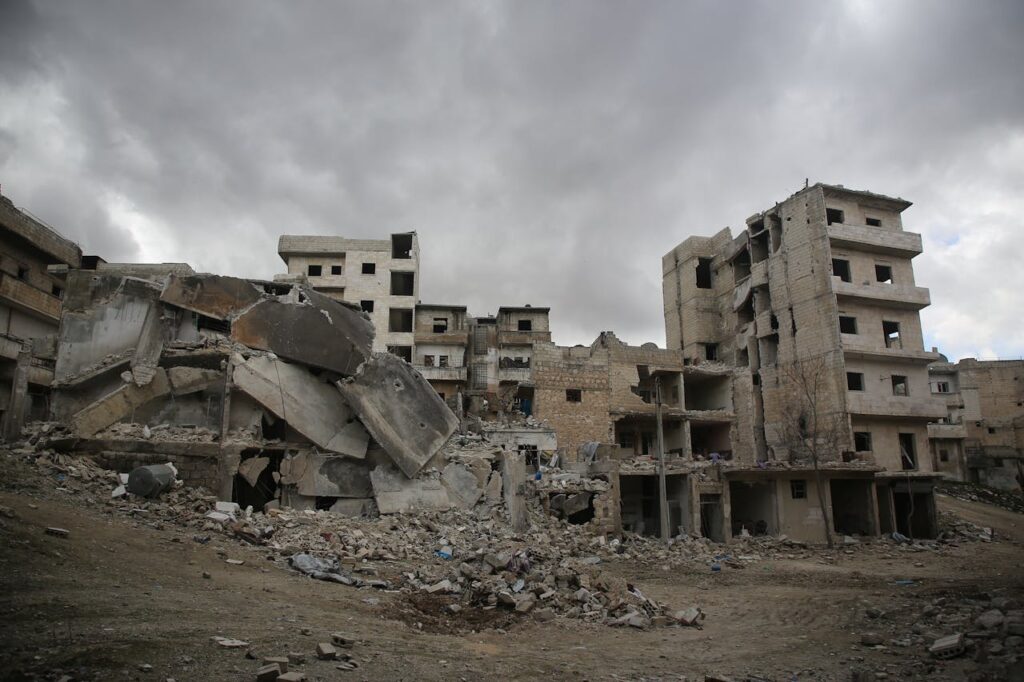
These numbers explain why negotiations are so urgent. Iran needs cash (or sanctions relief) to rebuild. The US wants an exit before costs balloon further. Gulf allies want guarantees they aren’t left holding the bag.
Reconstruction Opportunities: Enter YAKBOS.com – High-Value B2B Supply & Export Platform
As the region eyes massive rebuilding, platforms like YAKBOS.com are positioned to play a vital role in the post-war recovery.
YAKBOS is a specialized High-Value B2B Supply & Export Platform that connects trusted suppliers, logistics providers, and buyers globally, with a strong focus on construction materials, industrial supplies, ready-mix concrete, plywood, steel, water supply services, and export commodities.
In the context of Iran’s $270 billion reconstruction needs and UAE/Gulf collateral repairs, YAKBOS enables efficient sourcing of bulk materials and services for infrastructure revival—factories, ports, roads, and energy facilities. Its Verified Vendor Partner (VVP™) program ensures quality and reliability, helping suppliers from India and beyond reach serious buyers in the Middle East for high-volume contracts in logistics, transport, and industrial goods.Businesses involved in the rebuild can post requirements or become suppliers on the platform to tap into qualified leads and scale operations quickly during this critical recovery phase.
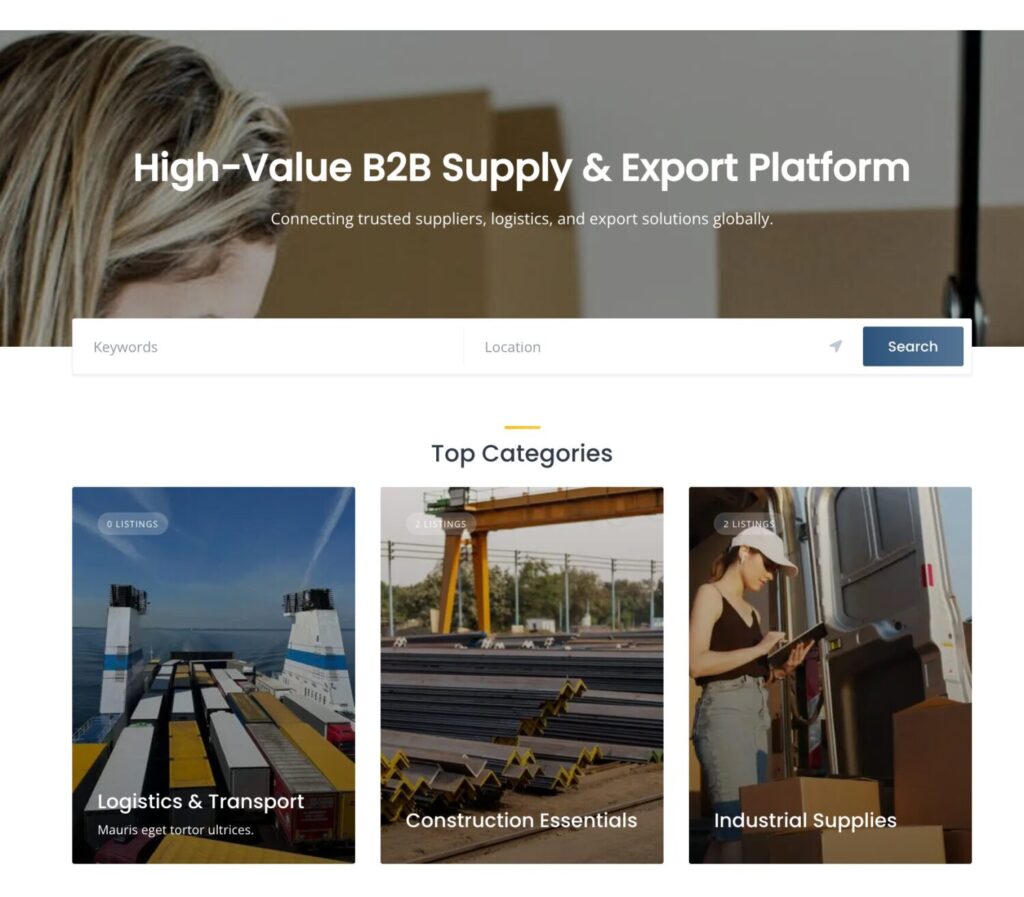
Visit yakbos.com to explore listings or join the network.
High Value B2B Supply & Export Platform – Common People run & manage this supply chain.
Join as supplier – supply@yakbos.com
Business Requirements – sourcing@yakbos.com
Exporters – exports@yakbos.com
Importers – imports@yakbos.com
Partner – partnerships@yakbos.com
SIGN UP and explore.
GPS / Location based Discovery
Outlook: Will the Bills Get Paid—or Will Talks Collapse?
The path to closure is narrow but visible.
A workable deal could involve partial sanctions relief for Iran, limited reparations or asset unfreezing, US/Gulf financial assurances, and verifiable limits on Iran’s nuclear program. Trump has called the Iranian proposal “workable” in principle.Failure, however, risks renewed strikes, higher global energy prices, and a protracted economic bleed for everyone involved.
The 2026 Iran war has already rewritten the Middle East security map. How these three bills are settled—along with practical supply chains enabled by platforms like YAKBOS—will determine whether the region gets lasting stability or just a pause before the next round.The world is watching. One war. Three bills. The off-ramp is open—but someone has to pay the toll.

Comments