
YTC Ventures | TECHNOCRAT MAGAZINE | www.ytcventures.com
19 April 2026
Smart meter installation in Himachal Pradesh (HP), especially in Mandi, has triggered a storm of controversy. Consumers are reporting electricity bills spiking 5–10 times overnight, leading to widespread outrage, protests, and even meter damage.
Similar unrest is growing in Uttarakhand (UK) and Uttar Pradesh (UP) as the central government accelerates the Revamped Distribution Sector Scheme (RDSS) for nationwide smart electricity meters.
This in-depth analysis for Technocrat Magazine explores the smart meter Mandi issue, the reasons behind the government’s push for smart meter installation in Himachal Pradesh, Uttarakhand & Uttar Pradesh, why people are revolting against prepaid smart meters, potential fines or penalties, and the latest installation progress. We also examine the key electricity distribution companies (DISCOMs) driving the rollout and their financial health through a Profit & Loss (P&L) snapshot. With over 5.5 crore smart meters installed nationally under RDSS as of early 2026, the transition promises efficiency—but at what cost to consumers in subsidized hill states?
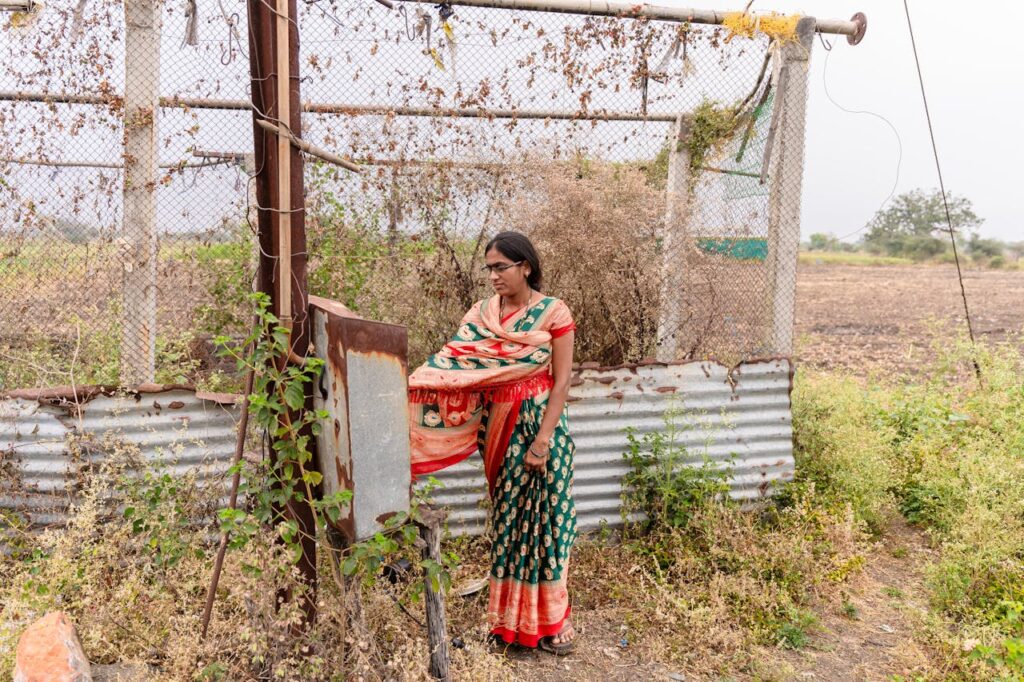
The Mandi Flashpoint: Smart Meter Bills Skyrocketing in Himachal Pradesh
In Mandi and other HP districts, the replacement of old meters with smart meters under RDSS has led to shockingly high electricity bills.
Reports of kiosk owners getting ₹82,000 bills (vs ₹400 earlier) and medical shops facing ₹92,746 have gone viral.
HPSEBL officials insist the new smart electricity meters simply capture accurate usage that older faulty or tampered meters missed, while subsidies like free power up to 125 units remain intact.
The board offers check meters for verification and has directed quick resolution of complaints.Yet public trust has eroded.
Protests have erupted in Balh, Lunj (Kangra), and beyond, with women’s groups, self-help organizations, and even electricity board staff participating. The shift from lenient, subsidized billing to precise real-time monitoring feels like a hidden burden in rural and hilly areas.
Why the Government Wants Smart Meter Installation in HP, UK & UP
The RDSS, launched in 2021 by the Ministry of Power, mandates smart metering for consumers, distribution transformers, and feeders to cut Aggregate Technical & Commercial (AT&C) losses. Nationally, AT&C losses have fallen from ~22% to ~15% partly due to these reforms. Targets include 20+ crore smart meters, with prepaid functionality for better revenue, reduced theft, and demand management.In Himachal Pradesh, HPSEBL is rolling out smart meters to all ~28 lakh consumers, starting with high-loss areas and government offices.
In Uttarakhand, UPCL follows a similar hilly-terrain plan for ~16 lakh consumers. In Uttar Pradesh, UPPCL (with its regional DISCOMs) targets 270+ lakh consumers, making prepaid smart meters compulsory for new connections and faulty meter replacements.Government benefits cited include real-time monitoring via apps, accurate billing, easier recharges, and stronger DISCOM finances. The Centre funds a major share, positioning smart meters as essential for 24×7 power and renewable integration.
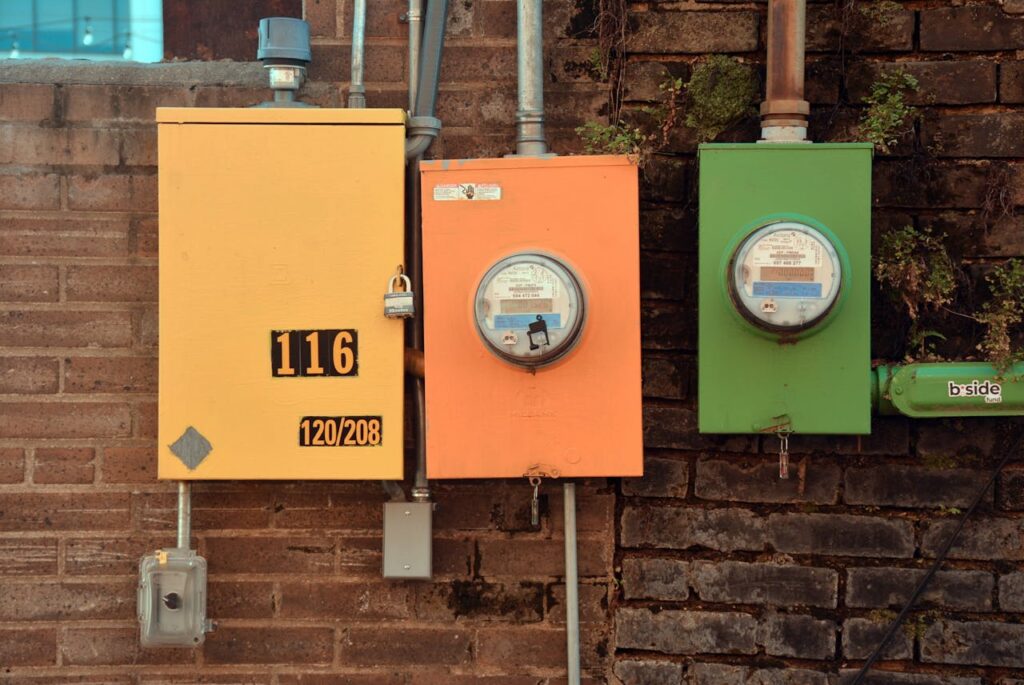
Why People Are Revolting Against Smart Meters in Mandi, HP, UK & UP
The backlash against smart meter installation stems from multiple pain points:
- Billing Shock in Subsidized Areas: In HP and UK, where power was historically cheap or free in lower slabs, precise smart meters expose true consumption—felt as a de facto tariff hike.
- Prepaid Meter Anxiety: Consumers fear mandatory “pay-first” mode, with automatic disconnections on low balance and reconnection fees of ₹400–500. Many see this as ending flexible billing.
- Implementation Flaws: Early communication gaps, faulty meters in some UP areas, and perceived private-sector profiteering have fueled distrust.
- Socio-Economic Impact: Rural households in Mandi or Uttarakhand’s hills, with seasonal incomes, worry about unaffordable winter bills amid inflation.
- Privacy & Control Fears: Real-time data raises concerns over surveillance or sudden cut-offs.
While the government clarifies prepaid is optional for most existing users (per Electricity Act), aggressive rollouts have created a perception of compulsion, sparking protests and social media storms.
What Are the Fines or Penalties for Smart Meter Non-Compliance?
There is no nationwide blanket fine for refusing smart meters on existing connections. The Union Power Minister has confirmed prepaid smart meters remain consumer-optional.
However:
- Prepaid mode low-balance triggers SMS/app alerts; prolonged zero balance leads to disconnection with standard reconnection charges (₹400–500 + arrears).
- Some local pilots have imposed one-time fees of ₹500–2,000 for delays (rarely enforced in HP/UP as of 2026).
- No penalties on maximum demand recorded by smart meters, per central advisories.
- Consumers can request postpaid mode, check meters, or approach consumer forums/Executive Engineers for disputes.
Smart Meter Installation Progress in HP, UK & UP (as of Early 2026)
Smart Meter Installation Progress in HP, UK & UP (as of Early 2026)
| State | Sanctioned (Consumer Meters, RDSS) | Installed (Cumulative) | % Achievement (Approx.) | Notes |
|---|---|---|---|---|
| Himachal Pradesh (HPSEBL) | ~28 lakh | ~8–9 lakh | ~29–32% | Phased rollout; focus on high-loss and government areas first |
| Uttarakhand (UPCL) | ~16 lakh | ~4 lakh | ~25% | Hilly terrain challenges; additional RDSS sanctions approved |
| Uttar Pradesh (UPPCL) | ~270 lakh | ~68–75 lakh | ~25–28% | Largest scale; prepaid mandatory for new connections; 75+ lakh prepaid active |
(Data from Ministry of Power and state DISCOM updates; figures continue to evolve rapidly.)
Key Electricity Distribution Companies (DISCOMs) Supplying Electricity & Implementing Smart Meters in HP, UK & UP
The smart meter rollout is executed by state-owned electricity distribution companies (DISCOMs). Here is a clear overview of the companies supplying electricity and driving smart meter installation in these states:
| State | Primary DISCOM | Full Name / Regional DISCOMs | Approximate Consumers Served | Key Role in Smart Meter Rollout |
|---|---|---|---|---|
| Himachal Pradesh | HPSEBL | Himachal Pradesh State Electricity Board Limited | 28 lakh | Sole DISCOM; full-state RDSS implementation for smart electricity meters |
| Uttarakhand | UPCL | Uttarakhand Power Corporation Limited | 16 lakh | Primary DISCOM handling RDSS smart metering in hilly regions |
| Uttar Pradesh | UPPCL (coordinator) | Uttar Pradesh Power Corporation Limited + 5 regional DISCOMs: DVVNL (Agra), MVVNL (Lucknow), PVVNL (Meerut), PuVVNL (Varanasi), KESCO (Kanpur) | 270+ lakh | UPPCL oversees; regional DISCOMs manage on-ground prepaid smart meter installation and operations |
These DISCOMs are the sole electricity suppliers in their respective areas and are legally responsible for RDSS compliance, consumer communication, and grievance redressal related to smart meters.
Financial Health of Key DISCOMs: P&L Analysis (FY 2024-25)
Smart meter installation is closely tied to improving the financial viability of DISCOMs by reducing AT&C losses, enhancing billing accuracy, and boosting revenue collection.
Below is a P&L snapshot (Profit = Revenue – Costs)
based on the latest public disclosures, government reports, and audited highlights as of April 2026.
Note: Full line-item breakdowns (e.g., power purchase costs, employee expenses) are often detailed only in official audited statements; figures here focus on net outcomes and key trends.
| Company / Entity | FY | Revenue / Income (₹ Crore, approx.) | Total Expenses / Costs (₹ Crore, approx.) | Net Profit / (Loss) (₹ Crore) | Key Insight |
|---|---|---|---|---|---|
| HPSEBL (Himachal Pradesh) | 2024-25 | Not publicly detailed in summary reports | Not publicly detailed | +315 | Historic first profit after years of accumulated losses (₹3,742 Cr till FY24). Turnaround attributed to reforms, better collections, and financial discipline. |
| UPCL (Uttarakhand) | 2024-25 | ~11,000 (market estimates) | Not publicly detailed | Loss-incurring (top SPSE loss maker per CAG) | Continues to face losses; smart metering targeted to improve billing efficiency and reduce AT&C losses in challenging hilly terrain. |
| UPPCL + Regional DISCOMs (UP) | 2024-25 | Not publicly detailed | Not publicly detailed | Continuing losses (projected revenue gap ~₹11,203 Cr in ARR; accumulated losses >₹1 lakh Cr historically) | Largest-scale operations but persistent deficits. Prepaid smart meters and RDSS are key tools to close gaps and support restructuring plans. |
Analysis: HPSEBL’s profitable turnaround demonstrates the potential of efficiency reforms. In contrast, UPCL and UPPCL’s ongoing losses highlight why the government is fast-tracking smart meter installation in HP, UK & UP—to curb theft, improve cash flows, and achieve self-sustaining DISCOMs. Successful rollout could mirror HPSEBL’s gains, but execution must address consumer concerns to avoid further backlash.
Investment Spotlight: YTC Ventures Private Network Invites Energy, EV & Solar Projects for Funding
Amid India’s energy transition and the smart meter-driven modernization of DISCOMs, capital is critical for scaling green infrastructure.
YTC Ventures Private Network is actively inviting high-potential Energy, Electric Vehicle (EV), and Solar projects to raise funds through its exclusive private investor ecosystem. Whether you are a developer, startup, or promoter with viable projects in renewable energy, EV charging infrastructure, solar EPC, or battery storage, YTC Ventures offers structured equity and debt funding opportunities tailored to the sector’s growth trajectory. Submit your project proposals today to tap into this dedicated network focused on sustainable energy investments.
Visit YTC Ventures for details on eligibility and funding pathways.
Submit Project Proposal for Funding to investments@ytcventures.com
Call / What’s App text “FUNDPROJECT” to +91-9380376419
Web: www.ytcventures.com
Technocrat Verdict: Necessary Reform Needs Better Execution for Smart Meter Success
Smart meter installation in Himachal Pradesh, Uttarakhand, and Uttar Pradesh aligns with global best practices for reducing losses, enabling renewables, and modernizing grids. Prepaid systems have improved collections elsewhere, and national AT&C gains prove the model works.However, the Mandi smart meter controversy highlights classic rollout challenges: poor consumer education, abrupt transitions in subsidy-dependent regions, and implementation hiccups. Protests are not anti-technology—they signal a demand for equity, transparency, and phased adoption.
Recommendations for Smoother Smart Meter Rollout:
- Ramp up local demos, helplines, and app training.
- Extend dual-meter verification periods with transparent audits.
- Offer targeted transition rebates for low-income rural users.
- Ensure consent-based prepaid shifts and third-party oversight.
- Strengthen grievance mechanisms via DISCOM portals and consumer forums.
The smart meter push in HP, UK, and UP is a critical energy transition test. If DISCOMs like HPSEBL, UPCL, and UPPCL treat public feedback as a guide rather than resistance, this technology can deliver genuine benefits without the current pain. Until then, the Mandi revolt remains a cautionary tale for top-down tech mandates.
Technocrat Magazine – powering evidence-based energy discourse. For personalized smart meter queries, visit your state DISCOM portal or call helplines. Data current as of April 2026.

Comments