
Technocrat Magazine | YTC Ventures | www.ytcventures.com
17 June 2026
In a bold stand for user freedoms, the Telegram founder calls out authorities for punishing millions of ordinary Indians while exam leaks simply migrate elsewhere.
In the high-stakes world of India’s competitive examinations, where millions of aspirants pin their futures on a single test, technology has become both a lifeline and a battleground. As the National Testing Agency (NTA) gears up for the NEET-UG 2026 re-examination on June 21, authorities have taken a drastic step: a nationwide temporary restriction on Telegram until June 22, with message-editing disabled for Indian users until June 30.
The move, enacted under Section 69A of the IT Act on the NTA’s recommendation, targets organized cheating rackets and the spread of misinformation, including fake “leaked” question papers that have plagued the medical entrance exam. Google has already pulled the app from the Play Store, with Apple expected to follow. Yet, this blunt instrument has sparked fierce debate—not least from Telegram’s outspoken CEO, Pavel Durov.
Durov’s Sharp Rebuke
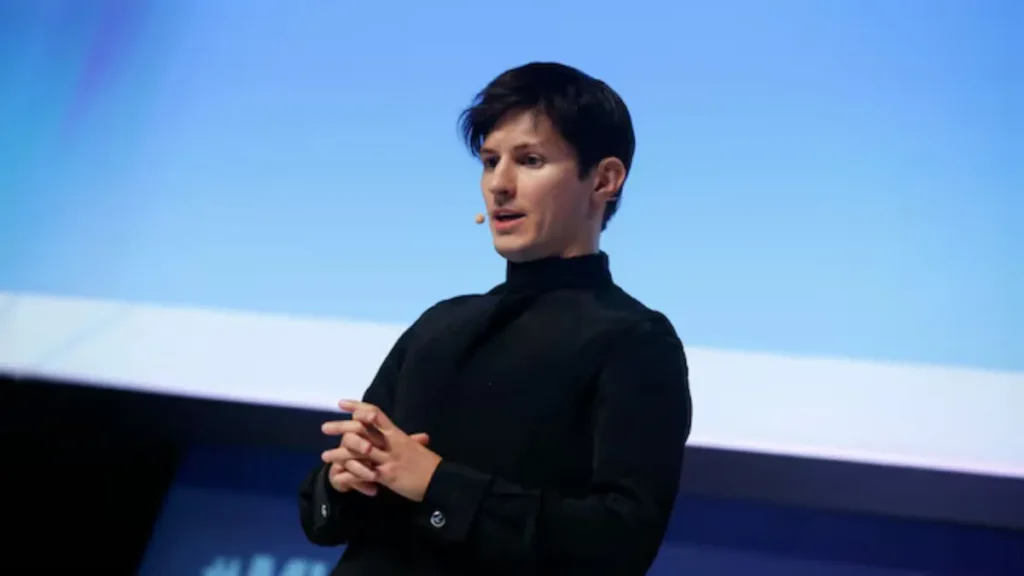
Taking to X (formerly Twitter), Durov minced no words in criticizing the government’s approach:“India’s IT ministry banned Telegram for one week because some users shared leaked exam questions. This punishes 150M+ ordinary Telegram users in India — not the insiders who leaked the exam materials. And the ban hasn’t stopped anything.
The leaks just moved to other apps.”He further noted that Telegram had proactively removed hundreds of scam channels and is enhancing “edited” message labels to combat backdating frauds. “Telegram is a force for good,” Durov added. “Banning it—even temporarily—is a mistake.”
Durov’s reaction highlights a core tension in the digital age: balancing security with access. With over 150 million users in India relying on the platform for everything from study groups and doubt-clearing sessions to family communication and news, the blanket restriction risks disrupting legitimate activities far beyond the exam fraud it seeks to curb.
NEET Leaks: A Persistent Crisis Over the Past Decade
Paper leaks and irregularities have haunted the NEET-UG ecosystem for years, eroding public trust in one of India’s most critical entrance examinations. Since its full rollout as the single national medical entrance test, the exam has faced repeated allegations of compromise, often involving organized networks of coaching centers, insiders, and intermediaries.
Notable incidents include the 2015 AIPMT (predecessor to NEET) leak, where the paper was circulated electronically across multiple states using Bluetooth devices and other tools, leading to the Supreme Court ordering a re-examination. In subsequent years, sporadic reports of leaks surfaced, but major national scandals erupted in 2024 and 2026.The 2024 NEET-UG controversy centered on alleged leaks originating from centers in Bihar and Jharkhand, particularly involving the Oasis School in Hazaribagh. Investigations pointed to solver gangs, printing press insiders, and digital distribution networks.
The Central Bureau of Investigation (CBI) arrested dozens, including alleged masterminds like Sanjeev Kumar Singh (alias Sanjeev Mukhiya), described as a repeat offender with prior links to multiple exam leaks. Other key figures included MBBS students acting as solvers and local intermediaries. Despite numerous arrests, convictions have remained elusive, with many accused securing bail and systemic reforms lagging.The 2026 episode followed a similar pattern but with deeper insider involvement. A pre-circulated “guess paper” in coaching hubs like Sikar, Rajasthan, allegedly matched a large portion of the actual question paper. CBI arrests included:
- Subject experts and NTA-linked professors such as Pune-based chemistry professor P.V. Kulkarni and biology professor Manisha Gurunath Mandhare.
- School headmistress Manisha Sanjay Havaldar (Physics leak allegations).
- Coaching institute operators like Shivaraj Motegaonkar from Latur.
- Intermediaries, doctors, translators, and students from networks spanning Maharashtra, Rajasthan, Haryana, and other states.
These cases reveal recurring culprits: coaching mafia elements, corrupt insiders with access to question papers during translation/printing/transport, and technology-enabled distribution rings.
Despite probes, arrests, and occasional cancellations, the low conviction rate underscores deeper challenges in accountability and prevention.

The NEET Crisis and Government Rationale
The backdrop is familiar and fraught. The original NEET-UG exam faced widespread allegations of paper leaks, leading to its cancellation and a CBI investigation. Fresh rumors ahead of the re-test prompted swift action.
NTA officials emphasize heavy security measures for June 21—including CRPF escorts, biometrics, and AI-monitored CCTV—while dismissing circulating screenshots as fabrications.By restricting Telegram, authorities aim to dismantle channels selling bogus papers and spreading panic. Digital rights groups have called the ban a “band-aid solution” and disproportionate, arguing it is easily bypassed via VPNs and fails to address root causes like systemic vulnerabilities in exam conduct.
Broader Implications for Tech and Governance
This episode underscores deeper challenges for platforms like Telegram in regulated markets. Durov has long positioned his app as a privacy-first alternative emphasizing user freedom and minimal moderation. India’s move reflects a growing global trend of governments asserting control over digital spaces during sensitive periods, from elections to exams.
For students, the timing could hardly be worse. Many depend on Telegram channels for last-minute revisions and peer support in the final stretch before the high-pressure re-test. Critics question whether the collateral damage—to education, small businesses using the app, and free expression—outweighs the preventive gains.
As India navigates its ambitions in both education and digital innovation, the Telegram saga serves as a case study in trade-offs.
Will targeted enforcement against bad actors prove more effective than broad shutdowns? Can platforms and governments collaborate without compromising core principles?Durov’s intervention adds a provocative voice to the conversation, reminding policymakers that in an interconnected world, punishing the many for the sins of the few rarely solves the underlying problem. The leaks, as he pointed out, simply find new homes.
TECHNOCRAT Magazine will continue monitoring developments around the NEET-UG 2026 re-exam and their tech policy ripple effects.

Comments