
YTC Ventures | TECHNOCRAT MAGAZINE | www.ytcventures.com
1 June 2026
Google’s Verily Debug project seeks EPA approval to release up to 32 million specially treated male mosquitoes in California and Florida. Learn why this Wolbachia technique aims to reduce West Nile, dengue, and Zika risks without heavy pesticides. Public comments open until June 5, 2026.In a story going viral across platforms, Google (through its Verily life sciences arm and the Debug project) is seeking federal approval to release up to 32 million lab-bred male mosquitoes across parts of California and Florida over the next two years.Sounds like sci-fi? The real reason could transform mosquito control and public health.
Why Is Google Releasing Mosquitoes? The Science Explained
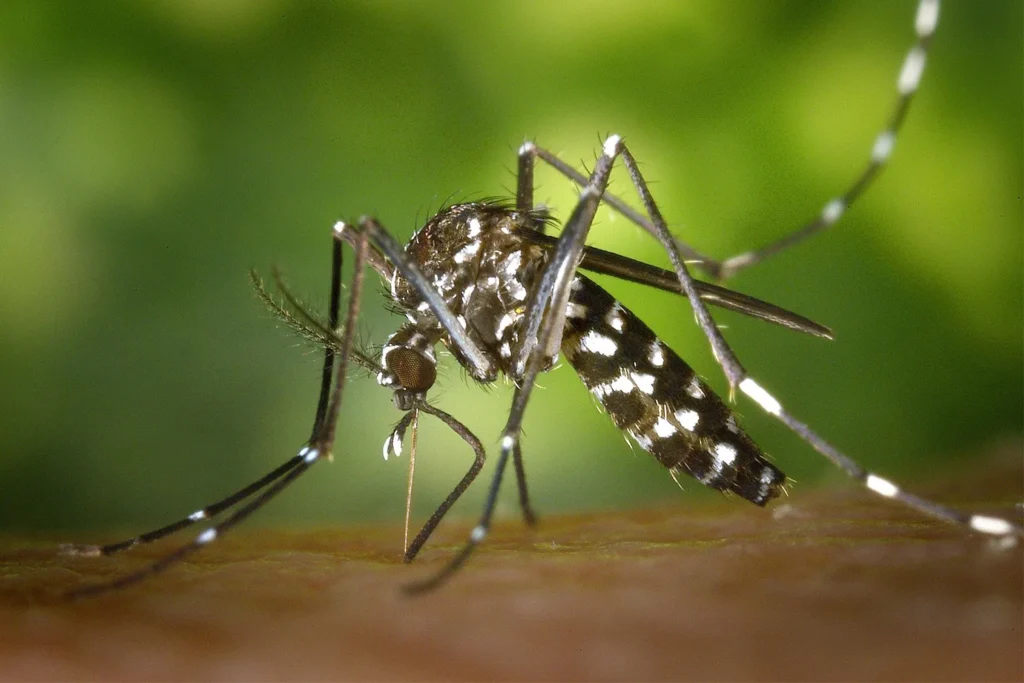
These are male-only mosquitoes carrying Wolbachia pipientis, a naturally occurring bacteria. Key facts that change everything:
- Males do not bite humans or spread disease.
- When they mate with wild females, the eggs fail to hatch or produce viable offspring — a natural form of birth control called the Incompatible Insect Technique.
- Goal: Reduce disease-carrying mosquito populations without relying on chemical pesticides.
This approach uses biology already present in many insects worldwide. It is not genetic modification of the mosquitoes themselves.
Top Questions About the Debug Project
How many mosquitoes? Up to 16 million in Year 1 and 16 million in Year 2, split between selected sites in Florida and California. The EPA is reviewing the Experimental Use Permit, with public comments accepted until June 5, 2026.Target species: Focused on mosquitoes linked to diseases like West Nile virus and others.Past results:
- Previous trials achieved over 93% suppression in tested California areas.
- Significant disease reductions in international projects.
- Debug has released over a billion mosquitoes globally in various programs.
Why Now? Mosquito-Borne Diseases Are Rising
Mosquitoes remain the deadliest animals to humans due to diseases like West Nile, dengue, Zika, and more. Insecticide resistance and expanding habitats make traditional methods less effective. Debug combines large-scale robotic rearing, AI sex-sorting, and biological tools for a more sustainable option.
Project Costs and Investments
Here is a breakdown of known and estimated costs for similar mosquito release programs, including this proposed deployment:
| Aspect | Details | Estimated Cost | Who Bears the Cost |
|---|---|---|---|
| Small Pilot Release (e.g., 400,000 mosquitoes) | Sacramento-Yolo district purchase for local trial | ~$33,000 | Local mosquito control district |
| Per 10,000 sterile males (scaled production) | Based on similar irradiation/Wolbachia programs | $41 – $110 | Project operator (Debug/Verily) |
| Full Proposed Deployment (32 million over 2 years) | Rearing, robotics, AI sorting, releases, monitoring (estimated) | Multi-million (development + ops) | Primarily Verily/Debug (private) |
| Broader Verily Investment | Recent funding round for precision health & related tech | $300 million | Investors (led by Series X Capital, including Alphabet) |
| Long-term Program Scaling | Per hectare release & monitoring in urban areas | $2.70 – $16.54 per hectare/year | Mix of private, local gov, partners |
Investment Summary:
Debug originated under Alphabet/Google’s Verily as a long-term R&D effort. Significant upfront investments go into robotic rearing facilities, AI technology, and scaling production. The current proposal is largely funded by Verily/Debug as a private initiative, often in partnership with local vector control districts. Public funding may support monitoring or local implementation, but core development and mosquito production costs are borne by the company and its investors. This model aims to reduce long-term public costs on pesticides and disease outbreaks.
Addressing Common Concerns
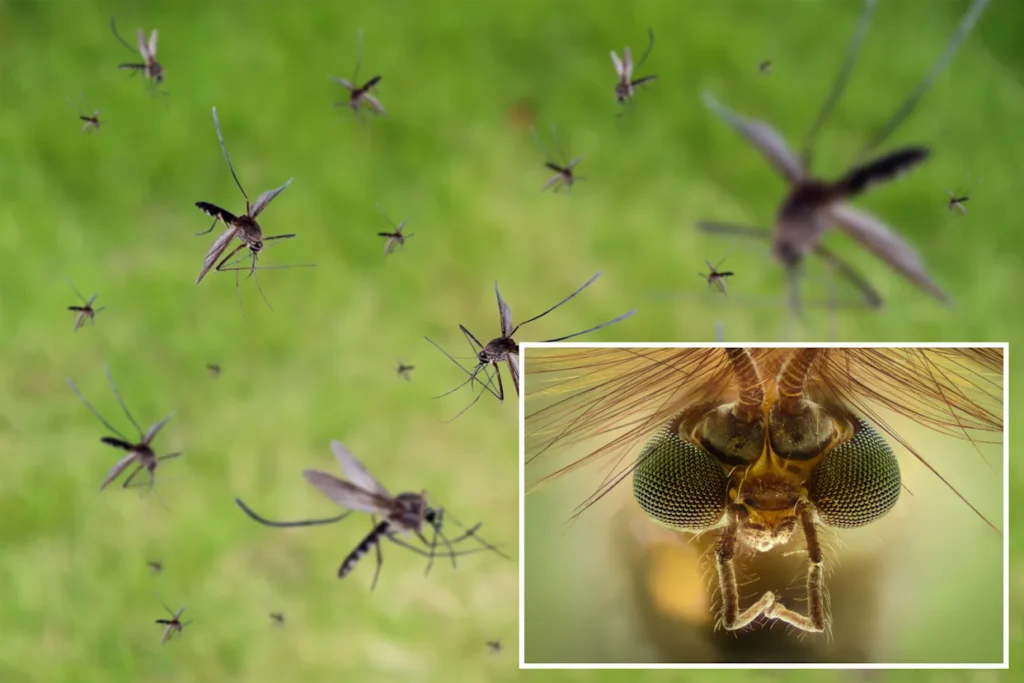
This has sparked online discussions and questions about safety and “playing with nature.” Experts note:
- Releases are male-only and targeted.
- No expected increase in biting or disease.
- Wolbachia methods have been used safely in other programs.
- It offers a potential alternative to broad chemical spraying.
What This Means for Residents
- Potential benefits: Fewer disease-carrying mosquitoes, reduced pesticide use.
- Timeline: EPA decision after the June 5, 2026 comment period.
- Locations: Specific sites to be confirmed if approved, focused on high-risk zones.
This project shows how tech innovation is applied to longstanding public health challenges. What’s your take? Innovative solution or reason for caution? Share below and consider submitting comments to the EPA before the deadline.

Comments