
YTC Ventures | TECHNOCRAT MAGAZINE | www.ytcventures.com
27 MAY 2026
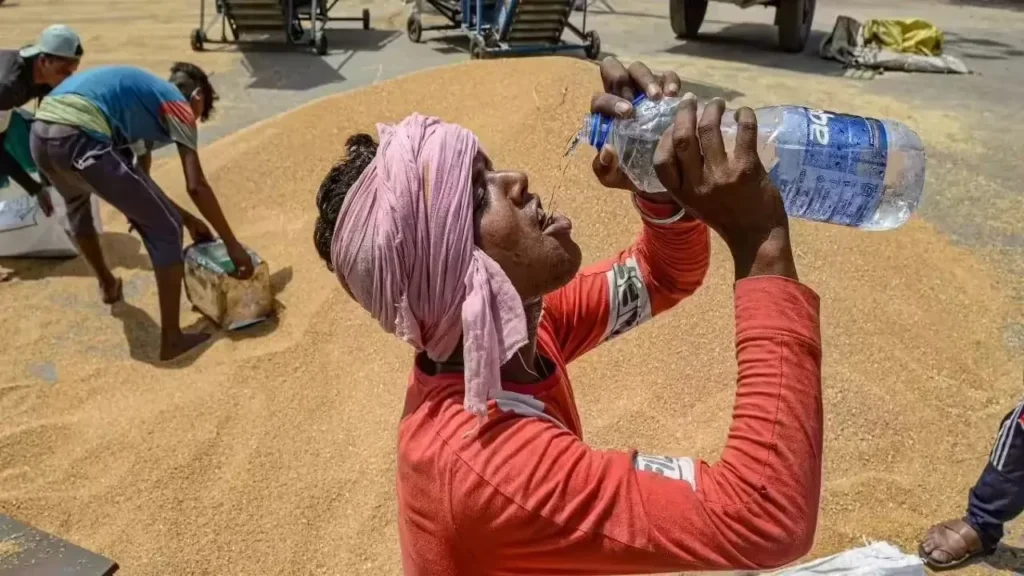
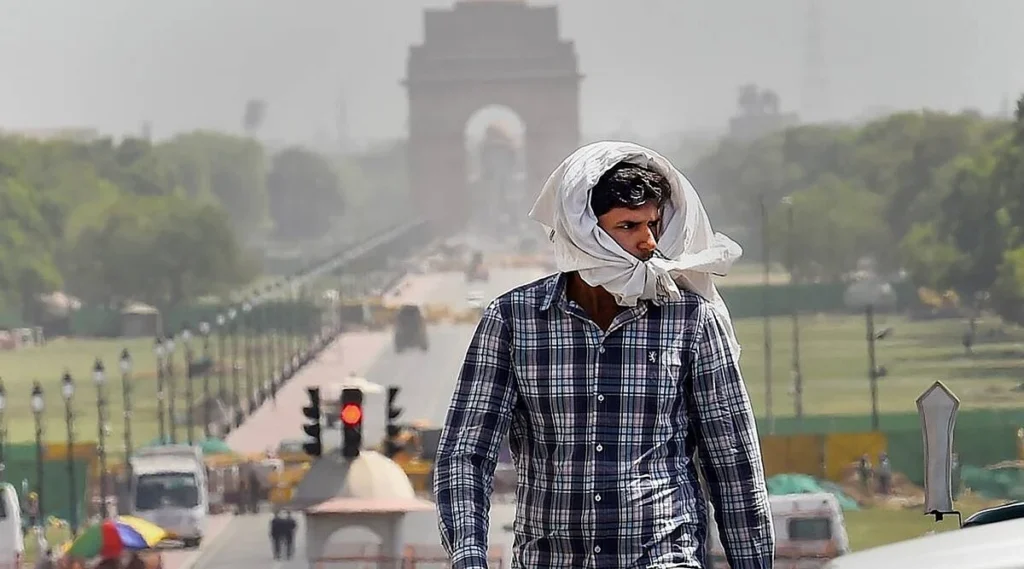
As temperatures in Banda district, Uttar Pradesh, soared to a scorching 48.2°C in May 2026, making it one of the hottest places in India once again, the Bundelkhand region is sending a stark warning. While semi-arid climate, rocky hills, and desert winds play a role, rampant sand mining along the Ken River, sharp decline in forest cover, drying water bodies, and concrete expansion have transformed Banda into a man-made heat island.
This environmental crisis is not just about unbearable summers — it threatens agriculture, groundwater, livelihoods, and the future of over 2 million residents.
The Heat Trap: Causes and Consequences
Banda’s hilly and rocky terrain naturally retains heat, but human interventions have worsened it dramatically. Large-scale sand and morrum extraction from the Ken River removes natural riverbeds that once helped retain moisture.
This leads to faster drying of rivers and wells, massive dust generation from crushers, and reduced groundwater recharge. Deforestation has stripped away the natural cooling system — trees that provide shade and drive evapotranspiration.
Forest Cover Reduction in Banda (Last 10+ Years)
| Year / Period | Forest Cover (approx.) | Change / Decline | Key Notes |
|---|---|---|---|
| ~2015 | ~120 sq km | – | Baseline period |
| Recent Years (2024-26) | ~95-102 sq km | -15% to -20% overall | Dense forest declined sharper (~16-17%) |
| Annual Loss Trend | – | ~13.72% per year (one study) | Driven by mining, agriculture & expressway |
Low forest cover (now just 2-3% in parts) means rapid daytime heating and poor nighttime cooling, intensifying heatwaves.
Population of Banda District
According to the 2011 Census, Banda had a population of 1,799,410. Projections for 2026 estimate it around 2.1–2.15 million (approx. 21.5 lakhs). The district spans 4,408 sq km.
Current Administrative Leaders (as of May 2026)
- District Magistrate (DM): Shri Amit Aasery (IAS) (handles overall administration, including coordination on mining and planning). banda.nic.in
- Mining Officials: Mines Officer, Banda (contact via District Quarry Office). The district falls under Uttar Pradesh’s mining regulations, but enforcement against illegal activities remains a challenge.
- Forest Officials: Divisional Forest Officer (DFO), Banda (under UP Forest Department). Specific current name not prominently listed in public directories, but reports to the DM and Chief Conservator.
Note: Sand mining often involves a nexus of contractors, local influencers, and enforcement gaps, commonly referred to as the “sand mafia” in Bundelkhand media reports.
Local protests by farmers have highlighted damage to farmlands and rivers.
The Economics of Sand: A Lucrative but Destructive Trade
Sand mining remains the biggest culprit. Estimates suggest 2,000 to 3,000 trucks of sand and morrum are extracted daily from the Ken River basin in the region.
At an average market price of ₹800–1,500 per truck (depending on quality and season), the daily value easily crosses ₹20–45 lakh.
Annually, this could translate into hundreds of crores in revenue — much of it flowing through legal leases, but a significant portion allegedly through illegal operations often linked to the so-called “sand mafia.”Financial Analysis of Sand Extraction in Banda Region
- Daily Extraction (Est.): 8,000–12,000 cubic meters (assuming 4-6 cubic meters per truck).
- Market Value: ₹2,000–4,000 per cubic meter (construction grade).
- Daily Economic Value: ₹1.6–4.8 crore (gross).
- Annual Turnover (Est.): ₹500–1,500+ crore regionally, supporting transport, construction, and local economies but at huge ecological cost.
- Hidden Costs: Reduced farm productivity, falling water tables, health impacts from dust and heat, and long-term loss of river ecosystems — costs that are rarely accounted for in official revenue.
This “sand economy” provides short-term jobs and revenue but destroys the very resources that sustain agriculture and life in Bundelkhand.
Population and Demographics of Banda
| Year | Total Population | Male | Female | Density (per sq km) |
|---|---|---|---|---|
| 2011 Census | 1,799,410 | 965,876 | 833,534 | 408 |
| 2026 (Projected) | ~2,120,000 | – | – | ~480 |
Demographics (2011 Census – still largely representative)
| Category | Percentage / Details |
|---|---|
| Hindu | 91.00% |
| Muslim | 8.76% |
| Others | 0.24% |
| Literacy Rate | 66.67% (Male 77.78%, Female 53.67%) |
| Sex Ratio | 863 females per 1,000 males |
| Young Population (Est.) | ~30-32% in 15-35 age group |
| Children (0-6 years) | ~16.4% |
Banda has a predominantly young population, offering a potential demographic dividend — but extreme heat, water scarcity, and environmental stress threaten employment, health, and migration patterns.
The Way Forward: Time for Urgent Restoration
Banda’s crisis is a textbook case of how local ecological destruction amplifies climate change. Stricter regulation of sand mining (depth limits, seasonal bans, and transparent monitoring), massive afforestation drives, river rejuvenation projects, and watershed management are essential.
The district administration, Forest Department, and Mining officials must enforce rules more rigorously while involving local communities.Without bold action, Banda will continue breaking heat records, with devastating impacts on lives and livelihoods.
The burning plains of Bundelkhand demand not just sympathy, but sustainable development that balances economic needs with ecological survival. The time to act is now — before the heat becomes truly unlivable.

Comments