
YTC Ventures | TECHNOCRAT MAGAZINE | www.ytcventures.com
24 MAY 2026
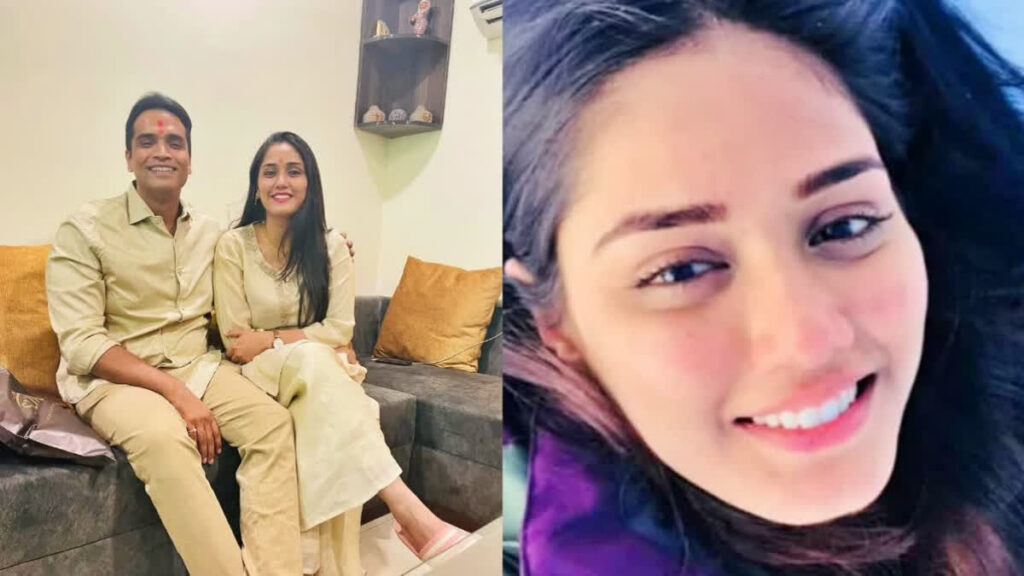
Who Was Twisha Sharma?
Twisha Sharma was a 32-33-year-old former model, beauty pageant winner (Miss Pune), actress, and marketing professional. Originally from Hathras, Uttar Pradesh, she grew up in Pune and later lived in Noida. She held qualifications including a BBA, postgraduate studies, and an MBA from NMIMS (2024).
Her career included modeling campaigns, acting roles in Telugu and Hindi projects, and professional work in communications and onboarding. Friends and family described her as ambitious, dynamic, a certified yoga instructor, and someone interested in filmmaking and personal growth.
She married lawyer Samarth Singh in December 2025 after meeting via a dating app. The marriage lasted only about five months.
How Did Twisha Sharma Die?
Twisha Sharma was found hanging from a gymnastic ring rope on the terrace of her matrimonial home in Bhopal’s Katara Hills area on the evening of May 12, 2026. She had visited a beauty salon earlier that day for a head massage and pedicure, leaving around 6:15 pm. She was rushed to AIIMS Bhopal and declared brought dead.
The post-mortem report at AIIMS Bhopal concluded the cause of death as antemortem hanging by ligature (hanging while alive), with a double reddish patterned ligature mark on the neck. It also noted multiple antemortem blunt force injuries on other parts of the body, described as simple in nature. Police have largely described it as suicide based on the initial findings, while her family alleges dowry harassment, mental and physical cruelty, and possible murder staged as suicide.
They demanded a second post-mortem and cite evidence like WhatsApp chats, injuries, and alleged procedural lapses. The case remains under investigation with FIRs under dowry death and cruelty provisions.The Supreme Court has taken suo motu cognizance of the case amid allegations of dowry harassment, procedural lapses, institutional bias (linked to the in-laws’ legal connections), and irregularities in the initial investigation. The matter involves scrutiny of unnatural death of a young woman at her matrimonial home. A hearing was scheduled around May 25, 2026.
In-Laws and Husband
Husband: Samarth Singh — A lawyer practicing in Bhopal, Jabalpur, and Indore, specializing in criminal defense, service law, and consumer matters. He is a National Law School of India University (NLSIU Bangalore) graduate with an exchange program at Ghent University (Belgium) and served as a legal advisor to the Madhya Pradesh government (2023-2025). His Bar Council license was suspended following the case.
Mother-in-Law: Giribala Singh — A retired additional district judge who also held a position in the Bhopal District Consumer Commission (later removed amid the case). She has been accused by Twisha’s family of dowry harassment, influencing the probe (alleged calls to judiciary/CCTV-related contacts), and character assassination. She received anticipatory bail but faced notices for questioning and allegations of non-cooperation. Giribala has publicly described Twisha as having mental health issues (e.g., schizophrenia claims), substance use, and a troubled past, while denying harassment. Leaked audio reportedly shows her questioning Twisha’s past sexual relationships and suggesting promiscuity could lead to adultery.Twisha’s family alleges emotional harassment, privacy invasion, restrictions on communication, and pressure related to pregnancy/abortion. The in-laws counter with claims of Twisha’s instability and family pressures. The husband and mother-in-law are the primary accused.
Where Did the Husband Go After the Case?
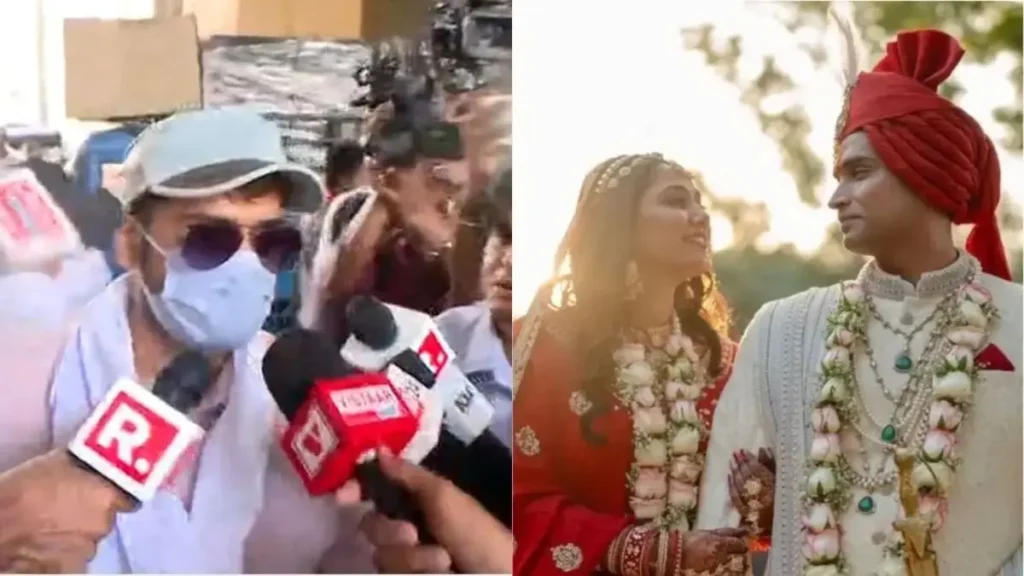
Samarth Singh absconded for about 10 days after Twisha’s death on May 12. Police issued a Lookout Circular (LoC), increased a reward for information, and sought to revoke his passport. He eventually surrendered in a Jabalpur court, was taken into custody, and remanded to police custody. His anticipatory bail was rejected earlier.
Twisha Sharma Extramarital Affairs Allegations
Claims about Twisha’s past relationships and character primarily come from the in-laws’ side, including leaked audio questioning her sexual history and potential for infidelity. These are presented as part of character assassination or harassment narratives by her family and supporters.
No independently verified public evidence of extramarital affairs during the marriage has been widely established in mainstream reports; such allegations remain highly contested amid the ongoing legal battle.
Similar Dowry Death Cases in India: Last 5 Years Social News Highlights
Dowry deaths remain a persistent issue despite laws like Section 304B (dowry death) and 498A (cruelty).
NCRB data shows thousands of cases annually, with low conviction rates often in the 11-35% range due to evidentiary issues, delays, and witness hostility.
Notable Examples:
- Vismaya Dowry Death (Kerala, 2021-2022): Newlywed woman died by suicide due to alleged harassment. Husband Kiran Kumar was convicted by Sessions Court; appeals ongoing.
- Thushara Case (Kerala, 2019): Woman starved to death over dowry demands. Husband Chandulal and mother-in-law Geetha convicted in 2025.
- Other high-profile cases in Uttar Pradesh, Bihar, and Andhra Pradesh have seen Supreme Court upholding convictions with life imprisonment in some instances.
Broader Statistics (Last 5 Years Approx.):
- Annual dowry deaths: Around 6,000-7,000+ (e.g., 6,156 in one recent year; 5,737 in 2024).
- Highest numbers in Uttar Pradesh and Bihar.
- Conviction rates remain low due to pending trials and investigations. Supreme Court has emphasized strict scrutiny and presumption under relevant evidence laws.
Males and Females Eligible for Marriage in India (State-Wise Overview)
Exact current “eligible” figures (legal age 21+ for men, 18+ for women, never-married) are based on projections from Census 2011, NFHS-5, and SRS data.
Comprehensive single-year never-married data is limited. Northern states often show male surplus due to sex ratios; southern states are more balanced.
Below is an approximate overview focusing on marriageable age cohorts:
| State/Region | Approx. Marriageable Females (millions, relevant age) | Approx. Marriageable Males (millions, relevant age) | Notes on Balance/Skew |
|---|---|---|---|
| Uttar Pradesh | High (~10-12+) | Higher male surplus | Strong male skew |
| Bihar | High | Male surplus | Skewed ratios |
| Maharashtra | Balanced | Balanced | More equal |
| Tamil Nadu | Balanced | Balanced | Favorable for women |
| Kerala | Balanced/Lower fertility | Balanced | Higher female age at marriage |
| Rajasthan | High child marriage history | Male surplus | Traditional skew |
| West Bengal | High | Varies | High overall numbers |
| National Average | ~ Significant cohort in 18-30 | Slightly higher males in many states | Overall male surplus trend |
(Note: Figures are indicative based on demographic projections for 15-35 age groups adjusted for marriage trends. Latest full Census data would provide precision.)
Way Forward: Summary and Recommendations
The Twisha Sharma case, now under Supreme Court suo motu scrutiny for institutional bias and procedural issues, highlights systemic challenges: influence peddling, delayed probes, character assassination, and low accountability in dowry matters.
Key Recommendations:
- Strengthen independent investigations (e.g., mandatory CCTV, digital evidence protocols, CBI in high-profile cases).
- Faster trials and higher convictions through special courts and better forensics.
- Societal change via education, awareness campaigns against dowry, and support for women’s mental health.
- Judicial guidelines for presumptions in unnatural deaths within 7 years of marriage, balanced with due process.
- Address root causes like skewed sex ratios and economic pressures on marriages.
This tragedy underscores the need for robust enforcement of anti-dowry laws alongside cultural shifts to prevent future cases.
Justice must be swift, fair, and transparent for all involved. The case continues to evolve.

Comments