
YTC Ventures | TECHNOCRAT MAGAZINE | www.ytcventures.com
22 May 2026
The Bandra Cleanup Drive 2026 has emerged as one of the most discussed topics in Mumbai, highlighting the pressing issues of illegal land encroachment in Mumbai, rapid demographic change in Bandra and Mumbai, and the challenges of urban infrastructure development. Western Railway’s anti-encroachment operation in Garib Nagar near Bandra East station is reclaiming vital public land amid protests, stone-pelting incidents, and debates over migration patterns.
What Happened in the Bandra Cleanup Drive
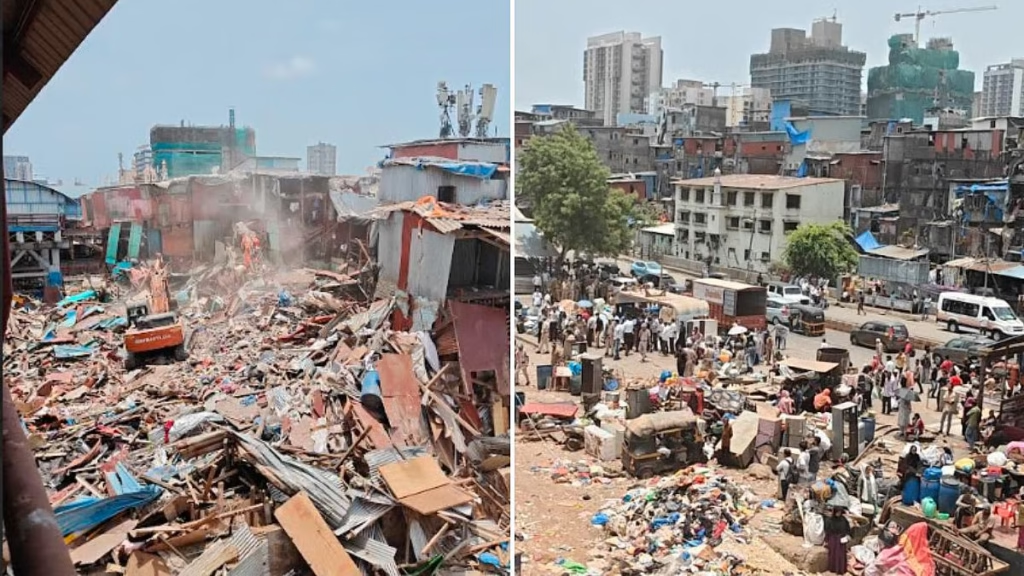
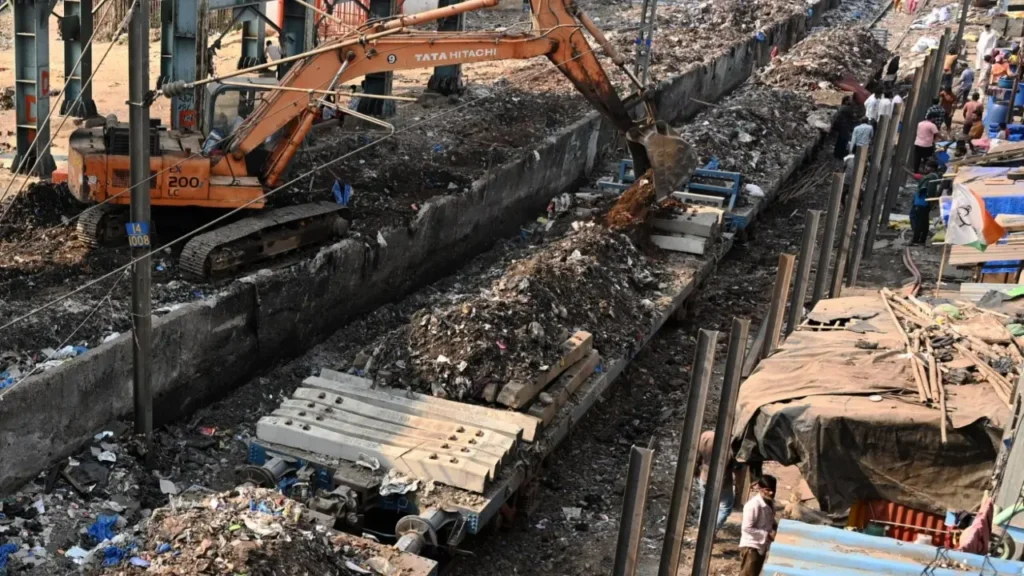
In May 2026, Western Railway, backed by Bombay High Court orders, launched a major demolition drive targeting unauthorized structures on railway land. The operation cleared approximately 400–500 illegal huts and buildings occupying around 5,200 square meters.
This prime land near Bandra station is being freed for critical projects like Bandra Terminus expansion, additional lines, and improved commuter safety.While some eligible residents received rehabilitation, many families faced temporary displacement.
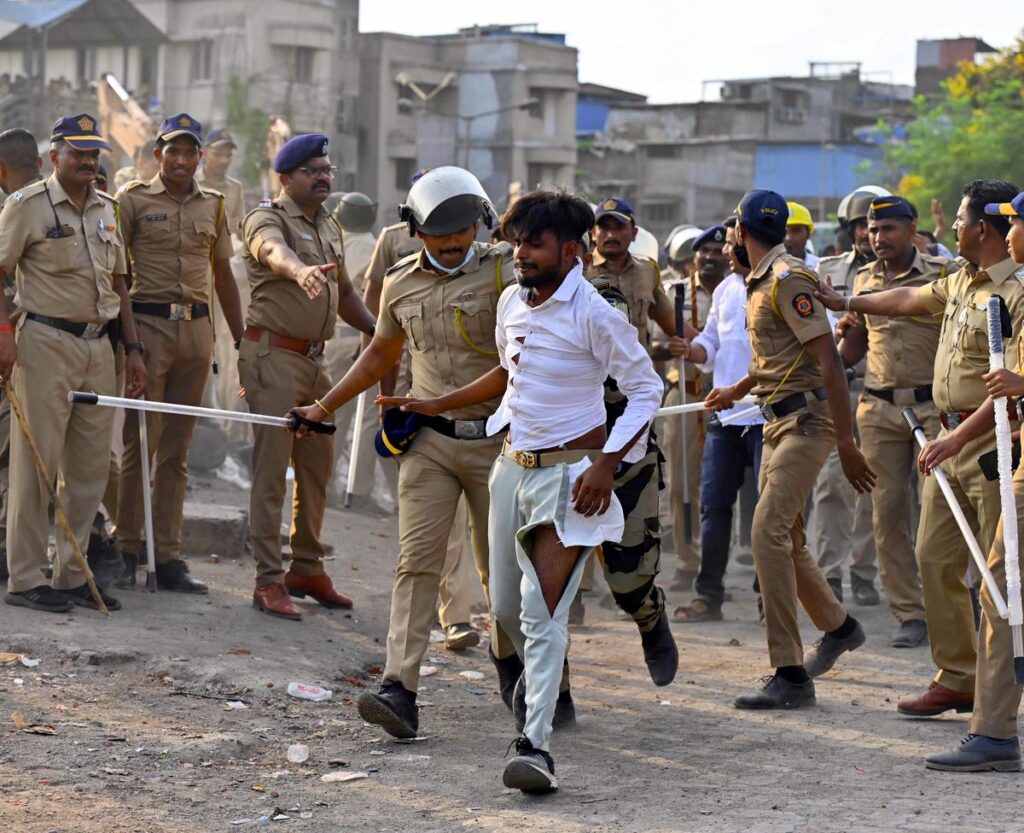
The situation turned tense when authorities demolished an alleged illegal mosque and prayer structure, sparking protests. Demonstrators resorted to stone-pelting on police and railway personnel, leading to lathi charges, injuries to officers, and arrests. Heavy security deployment involving Mumbai Police and Railway Protection Force (RPF) was necessary to restore order.This incident underscores broader problems of Mumbai land grab on public property and the difficulties law enforcement faces during such drives.
Demographic Changes in Bandra and Mumbai
Bandra was historically a cosmopolitan area with a strong East Indian Catholic presence. Over decades, many Catholic families sold properties due to rising costs and development pressures. This led to an influx of Hindus and Muslims. In recent years, pockets in Bandra East, including areas like Garib Nagar, have seen a notable rise in Bengali-speaking Muslims, often linked to migration from West Bengal and reports of undocumented entrants from Bangladesh.This mirrors city-wide trends in Mumbai demographic change. Mumbai’s Muslim population has grown significantly since the 1960s, driven by higher birth rates, internal migration, and alleged illegal immigration in certain pockets.
Mumbai Demographic Change: 1947 to Present
| Year | Total Population (Approx.) | Hindu % | Muslim % | Christian % | Others % | Key Notes |
|---|---|---|---|---|---|---|
| 1947-1951 | ~2.5–3 million | ~75-80% | ~10-14% | ~8-10% | ~5% | Post-Partition baseline; strong Christian presence in Bandra & South Mumbai |
| 1961 | ~4.1 million | ~88% | ~8-13% | ~6-7% | ~4% | Hindu majority peak; early signs of Muslim growth in suburbs |
| 1971 | ~5.9 million | ~80-82% | ~14% | ~5% | ~4% | Rising Muslim share in Mumbai-Thane region |
| 1981 | ~8.2 million | ~78-80% | ~15% | ~4.5% | ~4% | Urban migration accelerates |
| 1991 | ~9.9 million | ~75% | ~16-17% | ~4% | ~5% | Post-riot shifts; Catholics decline in Bandra |
| 2001 | ~11.9 million | ~70% | ~18.5% | ~3.5% | ~8% | Continued Muslim growth in eastern suburbs |
| 2011 | ~12.4 million (City) | ~66% | ~20.65% | ~3.3% | ~10% | Buddhists & Jains notable; Bengali Muslim pockets increase |
| 2026 (Est.) | ~22+ million (Metro) | ~62-65% | ~22-25% | ~3% | ~10-12% | Projections show further shifts; some reports suggest Muslim share nearing 30% by 2051 in certain studies |
Note: Data compiled from Census records and urban studies. Greater Mumbai shows sharper changes in Muslim population share, rising from around 13% in the early 1960s to over 20% by 2011, with faster growth in areas like Bandra East, Kurla, Govandi, and Mankhurd.
These demographic shifts in Mumbai have fueled discussions on integration, vote-bank politics, and the character of neighborhoods. While not all Muslims in Bandra are recent migrants, local narratives frequently mention Bengali Muslims in encroachment-related contexts.
Land Grab Statistics in Mumbai
Mumbai faces chronic illegal land encroachment challenges, especially on railway and civic land.
| Category | Scale/Details | Impact |
|---|---|---|
| Railway Encroachments (Mumbai) | ~24,500+ structures on 57+ hectares (historical) | Delays trains, safety hazards |
| Bandra Garib Nagar (2026) | 400–500 structures on 5,200 sqm | Reclaimed for station expansion |
| Illegal Religious Structures | Hundreds reported on public land nationally | Often flashpoints during removal |
| Estimated Land Value (Prime Areas) | Hundreds to thousands of crores | Public loss; infrastructure delay |
| Stone-Pelting Incidents | Recurring in sensitive drives | Injuries to police; arrests |
Prime railway land in Bandra holds immense value — similar plots have been valued in thousands of crores, making reclamation essential for public development.
Effect on Police and Law Enforcement
Stone-throwing during the Bandra drive injured multiple officers, straining resources and requiring heavy deployment.
Such violence raises concerns about enforcement of law in Mumbai illegal encroachments. Police often face resistance when clearing long-standing settlements, particularly those with religious structures. This affects morale and public trust while highlighting the need for better coordination and protection for personnel.
Government Agencies to Take Action Against Encroachments
Citizens can report illegal encroachments in Mumbai to the following agencies:
- Western Railway (Railway land issues): Primary agency for Bandra-type cases.
Grievance email: dpgwr@wr.railnet.gov.in
Use Indian Railways grievance portal or contact divisional offices. - Mumbai Railway Police (GRP): Enforcement support.
Toll-free: 1512 or 1800-22-1512
WhatsApp: 95948 99991 / 84250 99991
Control Room: 022-23759201 - Brihanmumbai Municipal Corporation (BMC): Civic encroachments and slums.
Emergency: 101
Use BMC 24×7 helpline, app, or ward offices for complaints with photos and locations. - Mumbai Metropolitan Region Development Authority (MMRDA): Planning and regional land issues.
Phone: +91-22-65964000
Email: admin@mailmmrda.maharashtra.gov.in
Website: mmrda.maharashtra.gov.in (online complaint section) - Maharashtra Urban Development Department / Mumbai Collector Offices: Higher coordination.
Submit detailed complaints with evidence for faster action.
Effective removal requires sustained pressure, court orders, and public support for balanced rehabilitation policies.
Way Forward for Mumbai
The Bandra Cleanup Drive represents a step toward reclaiming public land and prioritizing infrastructure in India’s financial capital. However, it also brings to light deeper challenges: Mumbai land encroachment, demographic change in Bandra, migration management, and maintaining law and order during enforcement.
Long-term solutions demand stricter implementation of laws, updated surveys, faster rehabilitation frameworks, and honest discussions on illegal immigration. As Mumbai grows, balancing development, rule of law, and humanitarian concerns will determine the city’s future. This trending story continues to spark debate across India on urban governance and demographic realities.

Comments