
YTC Ventures | TECHNOCRAT MAGAZINE | www.ytcventures.com
20 May 2026
In the world of global advertising and celebrity endorsements, brands spend staggering amounts of money trying to capture something incredibly fragile — public attention. Every year, multinational corporations allocate hundreds of crores toward celebrity campaigns, digital media, sponsorships, influencer marketing, and emotional storytelling in the hope that consumers will remember their products for just a few seconds longer than their competitors. Attention has become one of the most expensive commodities in the modern economy. Yet sometimes, history produces moments so organic, so culturally explosive, and so naturally viral that they achieve what even the largest advertising budgets cannot buy.
One such phenomenon unexpectedly emerged from the world of international diplomacy itself.
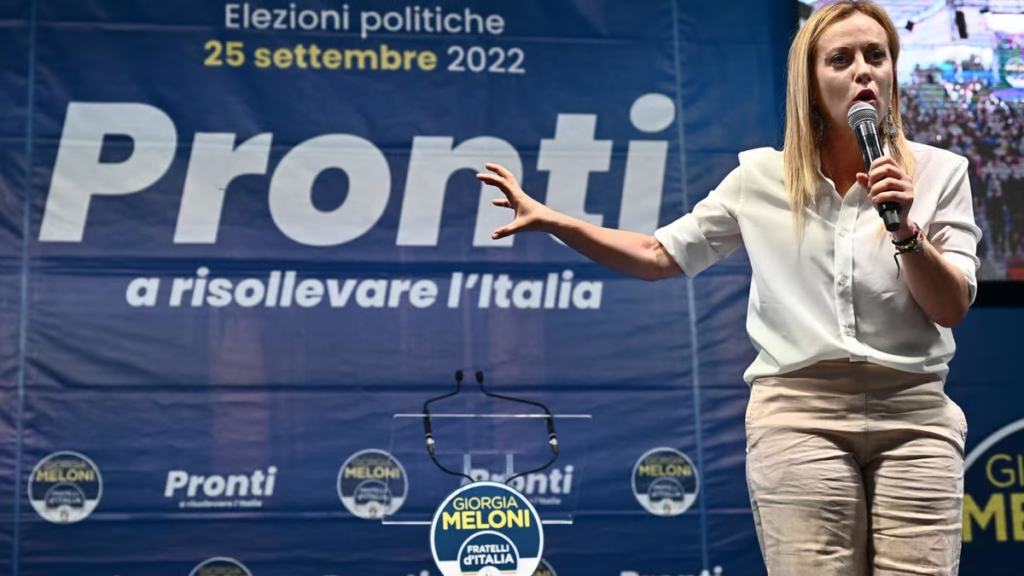
When Indian Prime Minister Narendra Modi and Italian Prime Minister Giorgia Meloni appeared together during global diplomatic events, social media users immediately began blending their names together into one playful internet term:
“Melodi.”
What started as a harmless meme quickly transformed into a digital wildfire across India’s online ecosystem. Memes flooded Instagram, X, LinkedIn, Facebook, WhatsApp, YouTube Shorts, and reels platforms. News channels discussed it. Political commentators joked about it. Youth creators amplified it. Internet culture adopted it instantly. But what made the phenomenon truly extraordinary was the subconscious emotional trigger it activated within Indian consumers.
For millions of Indians, the word “Melodi” immediately sounded like something deeply familiar:
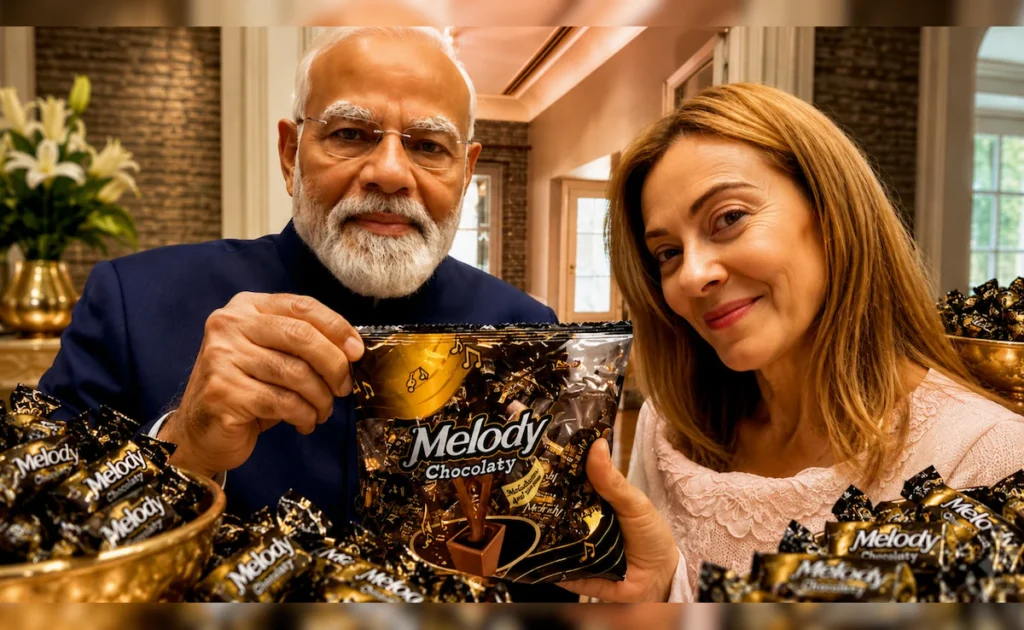
Melody candy.
And just like that, one of India’s most iconic confectionery brands unexpectedly entered a viral cultural moment without launching a single campaign.
The Accidental Advertising Campaign Worth Hundreds of Crores
Modern celebrity endorsement economics are built around calculated visibility. Corporations negotiate multi-crore contracts with actors, athletes, and influencers because public memory is difficult to capture in today’s overcrowded digital world. A single advertisement featuring Shah Rukh Khan may reportedly cost brands anywhere between ₹10 crore to ₹15 crore or more depending on campaign scale, exclusivity, and duration. International sports icons such as Cristiano Ronaldo command even larger endorsement ecosystems running into global sponsorship portfolios worth hundreds of millions of dollars over time.
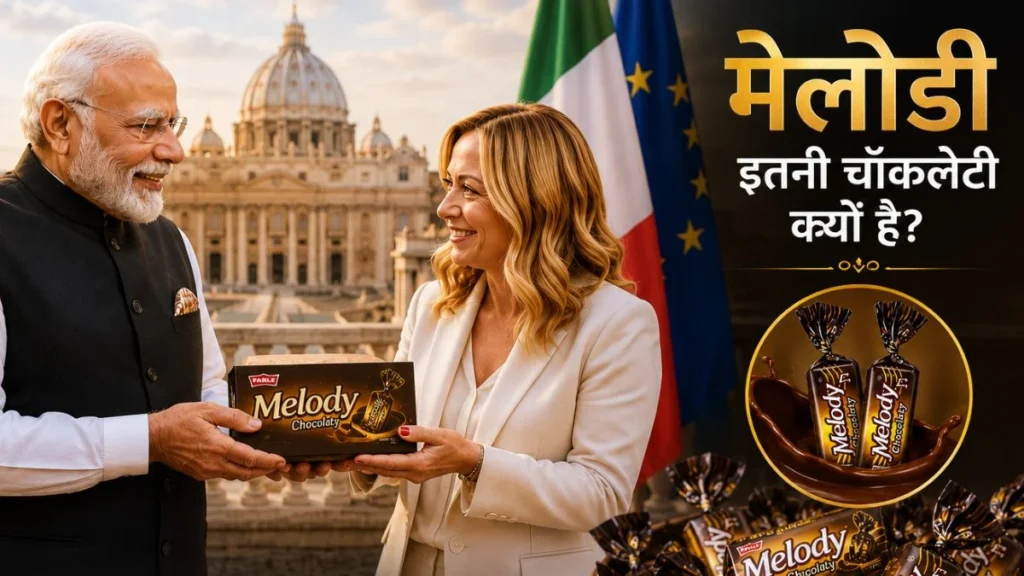
These endorsements are carefully engineered. Teams of strategists analyze consumer psychology, demographic alignment, emotional resonance, and visual branding. Massive production houses create cinematic campaigns. Agencies spend months optimizing distribution. Digital marketers purchase impressions worth crores. Every second of public attention is monetized.
Yet in the case of Melody, something remarkable happened.
No contract was signed.
No official advertisement was produced.
No celebrity endorsement was negotiated.
No influencer campaign was launched.
No media buying strategy was executed.
And still, the word “Melodi” spread across the entire Indian internet ecosystem with astonishing force.
This is what makes the phenomenon so historically fascinating from a branding perspective. It demonstrated that in the modern era, virality itself can become more powerful than paid advertising. Public attention no longer belongs entirely to corporations with large budgets. Sometimes, culture creates its own campaigns.
For marketers, this represented a near-perfect case study in accidental brand amplification.
The Psychology Behind the Viral Explosion
The extraordinary success of the “Melodi” phenomenon was not random. It worked because it activated multiple psychological layers simultaneously within Indian audiences. Viral trends become powerful when they intersect with familiarity, emotion, humor, identity, and nostalgia all at once. The Modi-Meloni interaction managed to achieve exactly that.
At the surface level, people simply enjoyed the chemistry and friendliness displayed between two globally recognized political leaders. In a world often dominated by geopolitical tensions, conflicts, and diplomatic seriousness, these lighter public interactions felt refreshing and human. The internet naturally gravitates toward moments that feel authentic, relatable, and emotionally accessible.
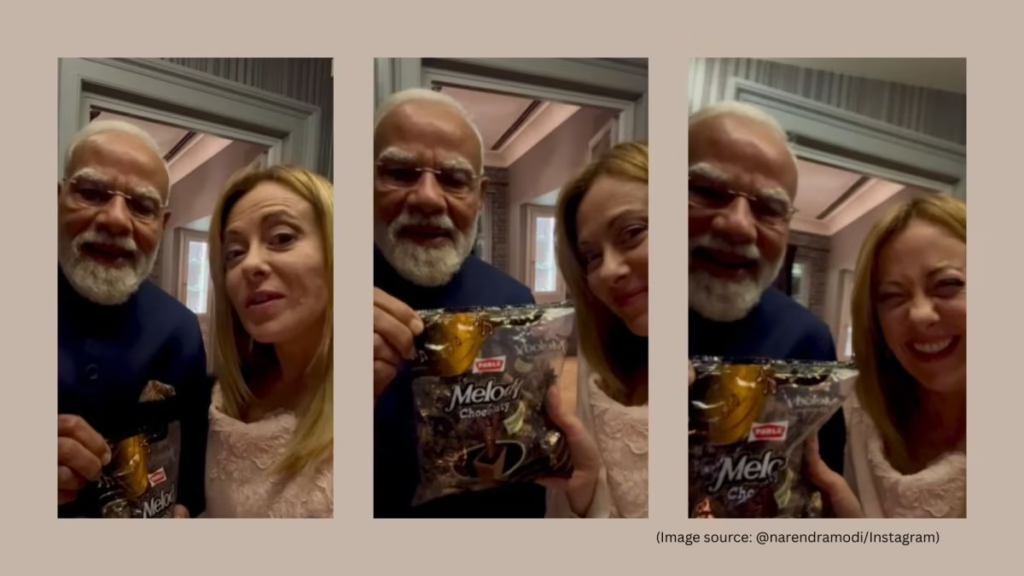
But beneath the humor existed a much deeper consumer psychology trigger.
The word:
“Melodi”
instantly translated inside the minds of Indian consumers into:
“Melody.”
That single phonetic similarity activated years of childhood memory. For millions across India, Melody is not merely a candy product. It represents school memories, neighborhood stores, childhood rewards, family nostalgia, and emotional familiarity accumulated over decades. This is one of the most valuable assets any FMCG brand can possess — emotional memory equity.
Most companies spend decades attempting to create this type of subconscious association. Here, internet culture activated it organically within days.
This is precisely why the trend became so explosive. It was not merely political humor. It became a national nostalgia trigger disguised as a meme.
Why This Became a Marketing Goldmine
From a strategic branding perspective, the Modi-Meloni “Melodi” trend achieved nearly every objective that modern advertising agencies dream about. It generated:
- massive repetition,
- nationwide familiarity,
- emotional engagement,
- meme participation,
- and cross-platform visibility.
Most importantly, it achieved these results organically.
In traditional advertising, repetition costs money. Television placements cost money. Digital impressions cost money. Celebrity associations cost money. Social media reach often requires paid promotion. Yet the “Melodi” trend sustained itself through public participation alone. Millions of users voluntarily amplified the phrase because they found it entertaining, culturally relevant, and socially engaging.
This transformed ordinary users into unpaid distributors of brand recall.
The beauty of the phenomenon was that it transcended demographics. Young audiences engaged through memes and reels. Older audiences recognized the nostalgic reference to Melody candy. Political observers discussed the diplomatic interactions. Media channels amplified the internet humor. Brand recall expanded across multiple audience categories simultaneously.
This is what marketers describe as “cultural penetration.”
The trend also demonstrated the incredible power of indirect branding. The candy itself was not being advertised. Yet its name remained continuously present inside public conversation. This created what psychologists call passive cognitive reinforcement — repeated exposure that strengthens familiarity even without direct product promotion.
For any FMCG company, this level of emotional visibility is extraordinarily valuable.
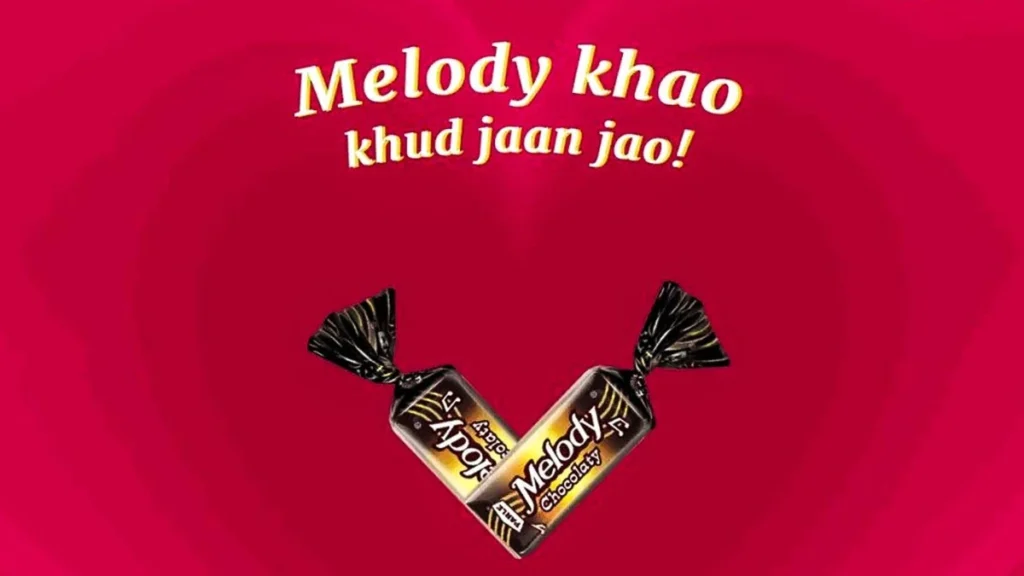
The Power of Cultural Timing
Timing plays a critical role in modern internet virality. The digital economy rewards speed, relatability, emotional simplicity, and remix potential. Trends succeed when they can be instantly adapted into memes, captions, jokes, reels, reactions, and commentary. The “Melodi” phenomenon arrived at a perfect moment within India’s rapidly evolving digital culture.
India today possesses one of the largest and most active internet populations in the world. Meme culture has become a dominant communication language among younger audiences. Political events, celebrity appearances, sports moments, and entertainment clips are constantly transformed into viral cultural artifacts within minutes.
The Modi-Meloni interactions perfectly matched the internet’s appetite for:
- humor,
- symbolism,
- relatability,
- and remixable content.
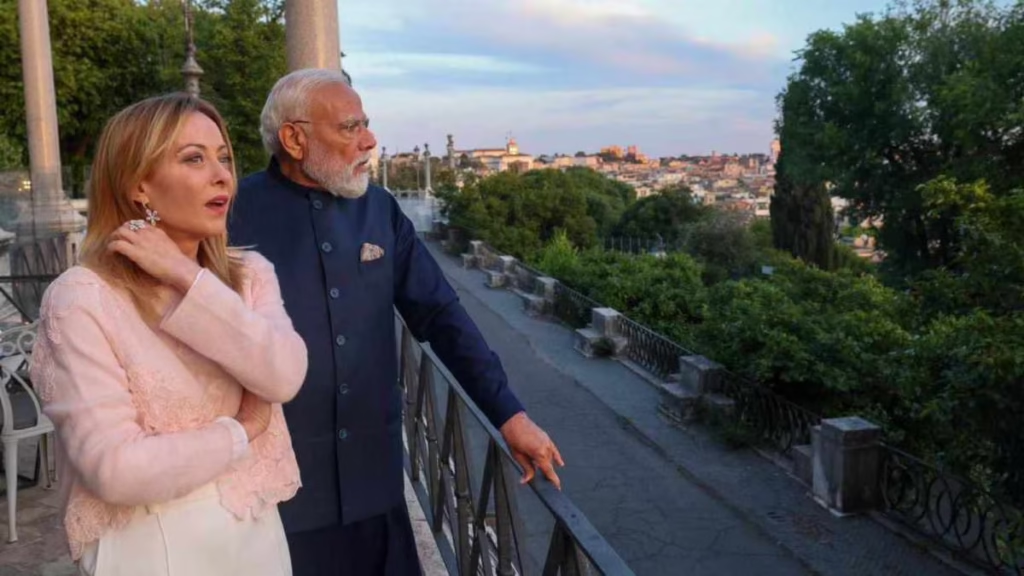
At the same time, nostalgia marketing has become one of the strongest emotional drivers in consumer behavior. Brands associated with childhood memories often enjoy deeper trust and familiarity compared to newly emerging products. The accidental phonetic connection between “Melodi” and Melody created an ideal nostalgia trigger within Indian culture.
This combination of geopolitical visibility and nostalgic familiarity produced extraordinary viral momentum.
Many companies attempt to artificially engineer “viral campaigns” using marketing teams and consultants. But genuine virality usually emerges from moments that feel natural rather than manufactured. That authenticity became one of the biggest strengths of the “Melodi” trend.
The Rise of Meme Capitalism
The modern marketing economy is rapidly transitioning into what many strategists now call:
Meme Capitalism.
In this new environment, cultural relevance often matters more than traditional advertising expenditure. Internet memes have evolved far beyond jokes. They now influence:
- consumer awareness,
- political narratives,
- financial markets,
- public sentiment,
- and brand identity.
Attention itself has become currency.
The companies that dominate the future may not necessarily be those spending the most money, but those becoming part of internet culture itself. Brands increasingly seek relevance inside public conversation because conversation drives visibility, and visibility drives consumer familiarity.
The “Melodi” phenomenon became a perfect illustration of this transformation. Public participation created exponential visibility without formal advertising structures. The internet itself became the media agency.
This shift is deeply significant for the future of marketing. Younger consumers are becoming resistant to overly polished advertisements. Traditional campaigns often feel corporate and artificial. Memes, however, feel human, spontaneous, and socially participatory. People enjoy sharing content that makes them feel included in cultural moments.
As a result, brands today increasingly attempt to insert themselves into trending conversations. However, the rarest and most powerful outcomes occur when culture itself unintentionally elevates a brand into the spotlight.
That is precisely what happened with Melody.
Brand Marketing Comparison Table
| Personality / Event | Estimated Publicity Value | Traditional Endorsement Cost | Type of Influence | Audience Reach | Brand Recall Impact |
|---|---|---|---|---|---|
| Shah Rukh Khan | Extremely High | ₹10–15+ Crore | Bollywood celebrity branding | India & Global Indian audience | Strong premium recall |
| Cristiano Ronaldo | Global Mega Influence | ₹25+ Crore equivalent campaigns | Sports & lifestyle branding | Worldwide | Massive international recall |
| Narendra Modi + Giorgia Meloni “Melodi” phenomenon | Viral Organic Attention | No formal endorsement | Political-pop culture virality | Global internet audience | Extremely high meme-driven recall |
| Melody | Historic nostalgic brand value | Traditional FMCG marketing | Emotional nostalgia branding | Multi-generational India | Exceptional emotional association |
| Internet Meme Culture | Unpredictably Massive | Organic | User-generated viral amplification | Global digital audiences | Rapid trend acceleration |
The Business Lesson for Modern Brands
The central lesson from the “Melodi” phenomenon is profound:
modern attention economics are changing.
In previous decades, visibility was controlled primarily by television networks, newspapers, radio stations, and advertising agencies. Today, internet communities themselves shape cultural relevance. Public participation can generate more engagement than traditional campaigns worth hundreds of crores.
This changes the entire philosophy of branding.
Companies can no longer rely only on polished advertising. They must understand:
- internet psychology,
- meme ecosystems,
- emotional storytelling,
- social participation,
- and cultural timing.
Consumers increasingly reward brands that feel naturally integrated into culture rather than aggressively marketed toward them.
The “Melodi” trend also demonstrated the immense power of simplicity. One word became enough to activate nationwide recall. In branding, simplicity often creates the strongest memory retention.
For future marketers, this may become one of the defining case studies of the decade.
Politics, Pop Culture & the Future of Branding
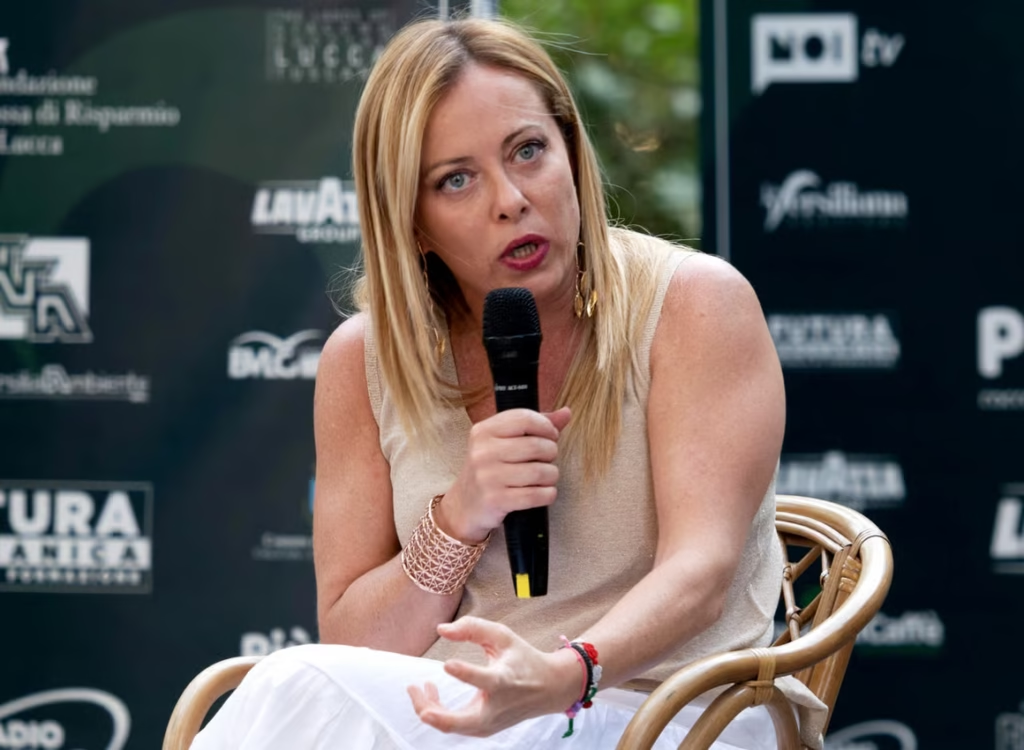
One of the most fascinating aspects of the “Melodi” phenomenon is how it blurred the boundaries between politics, entertainment, celebrity culture, diplomacy, and consumer branding. Historically, these worlds operated separately. Today, digital culture merges them continuously.
A diplomatic summit can become meme content within minutes.
A political interaction can become a viral hashtag.
A meme can become brand reinforcement.
A joke can become a marketing case study.
This convergence represents the future of digital communication itself. Public attention now flows fluidly between politics, entertainment, social media, and commerce. The same audiences consuming geopolitical news are simultaneously engaging with memes, celebrity culture, and consumer brands.
For brands, this creates both opportunities and unpredictability. Visibility can emerge from anywhere.
The Modi-Meloni interactions became more than diplomatic imagery. They evolved into a symbol of how internet culture transforms global events into emotionally shareable public moments.
And in doing so, it accidentally delivered extraordinary brand visibility to Melody candy without ever intending to.
Final Thought
In the modern attention economy, the most powerful advertising campaigns may no longer come from boardrooms, production studios, or billion-dollar media plans. They may emerge organically from culture itself.
The “Melodi” phenomenon demonstrated that virality today can outperform traditional advertising in ways that even the world’s largest corporations struggle to replicate. It showed that emotional familiarity, nostalgia, humor, and internet participation can create marketing value worth hundreds of crores without a single official campaign being launched.
For marketers, strategists, political analysts, and business leaders alike, this moment represents something far bigger than a meme. It represents the transformation of public attention into one of the most valuable economic forces of the digital age.
And perhaps most importantly, it proved that sometimes the most successful branding campaigns are the ones nobody planned at all.

Comments