
YTC Ventures | TECHNOCRAT MAGAZINE | www.ytcventures.com
18 May 2026
Once celebrated as the Garden City and India’s Silicon Valley, Bengaluru is now grappling with severe, interconnected urban challenges. Rapid growth driven by the IT boom, massive in-migration, and chronic infrastructure lag have pushed the city to a breaking point.
This comprehensive report examines the multiple pressures — traffic, pollution, housing, safety, water crisis, demographic shifts, migration, governance issues, and employment uncertainty — that are testing the city’s livability and long-term sustainability.
Traffic Congestion: World’s Second Most Congested City
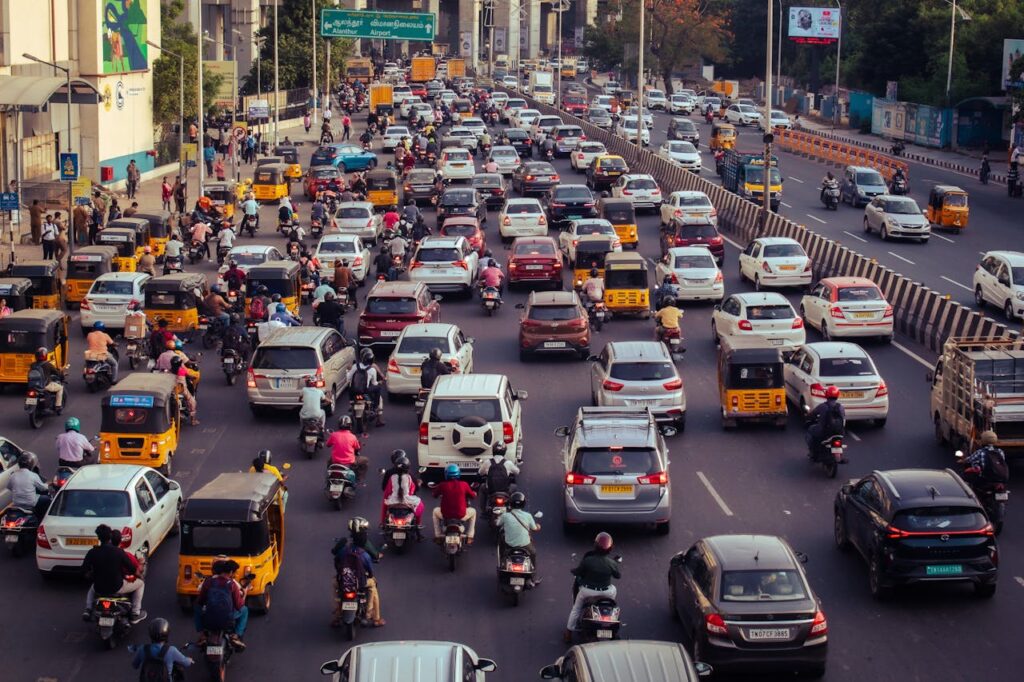
Bengaluru ranks as the second most traffic-congested city globally in 2025 (TomTom Traffic Index), with a congestion level of 74.4% — just behind Mexico City.
- A 10 km commute now takes 36 minutes 9 seconds on average during rush hours (up by over 2 minutes from 2024).
- Commuters lose 168 hours (7 full days) annually in traffic.
- Average rush-hour speed has dropped to 13.9–16.6 km/h.
Morning peak sees even worse conditions: 10 km can take over 41 minutes. With over 1.2 crore registered vehicles and inadequate road expansion coupled with poor public transport planning, this crisis severely impacts productivity, mental health, and economic efficiency.
Air Pollution: From Garden City to Dust Bowl
Bengaluru’s air quality has deteriorated sharply. Average AQI frequently hovers in the moderate-to-poor range (100–150+ US AQI), with PM2.5 and PM10 levels regularly breaching safe standards. Major contributors include vehicle emissions (worsened by congestion), construction dust (over 24% contribution), road dust, and waste burning. The city remains a “non-attainment” area despite significant spending on mitigation.
Loss of green cover and rapid urbanization have turned what was once pristine air into a serious public health concern with long-term respiratory implications for residents.
Soaring Rents and Housing Crisis
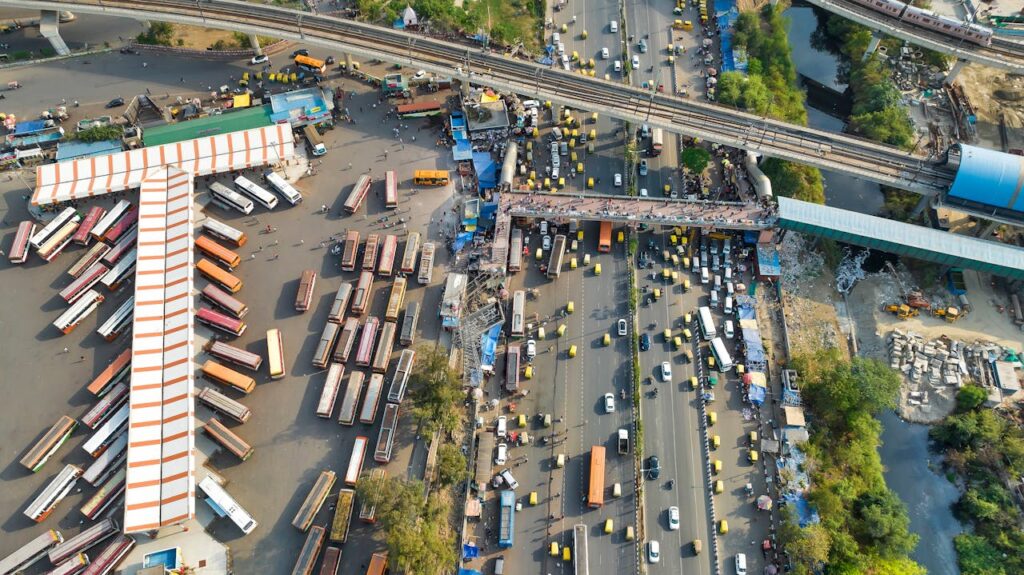
Housing affordability has collapsed for the middle class. Rents in prime areas such as Whitefield, Electronic City, HSR Layout, and Koramangala have surged dramatically due to sustained IT-driven migration (3–4 lakh new residents annually).
- 1BHK rents often start at ₹25,000–50,000+ in high-demand locations.
- Sudden hikes of ₹4,000–10,000 are common.
- Property prices in many localities have jumped sharply — for example, 2BHKs rising from ₹1.4 crore to ₹2 crore in recent years.
Limited supply near job hubs, speculative real estate investment, and high demand from tech professionals have created a strongly landlord-favored market, pushing young professionals and middle-class families into financial stress.
Rising Street Fights and Road Rage
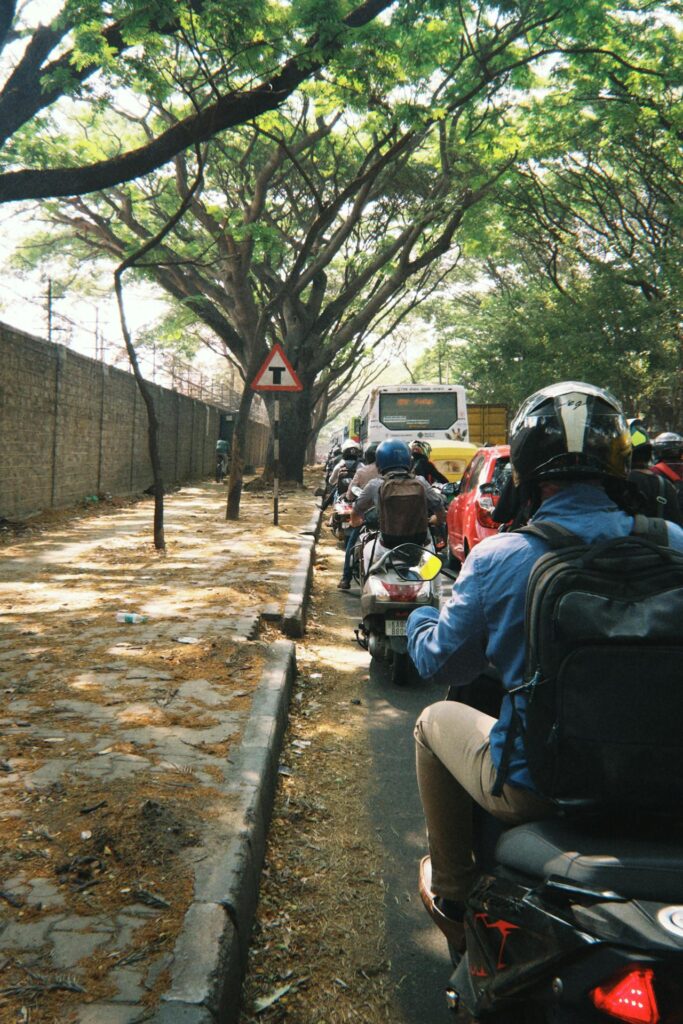
Daily frustrations from traffic and overcrowding are spilling into violence. Road rage cases nearly tripled in 2025 (95 cases compared to 34 in 2024). Incidents involving assaults, stone-pelting, and even murders over minor traffic disputes have become disturbingly common.
Overcrowding, high stress levels, and a sense of anonymity in a heavily migrant city are contributing to declining civic behaviour and rising public safety concerns.
Migrant Labourers: The Backbone Under Strain
Bengaluru’s growth is powered significantly by migrant workers, especially from West Bengal, Bihar, Uttar Pradesh, and other states, who dominate construction, gig economy, logistics, and services. These workers often face poor living conditions, lack of affordable housing, exploitation, and periodic disruptions (such as mass exodus during elections or crises).
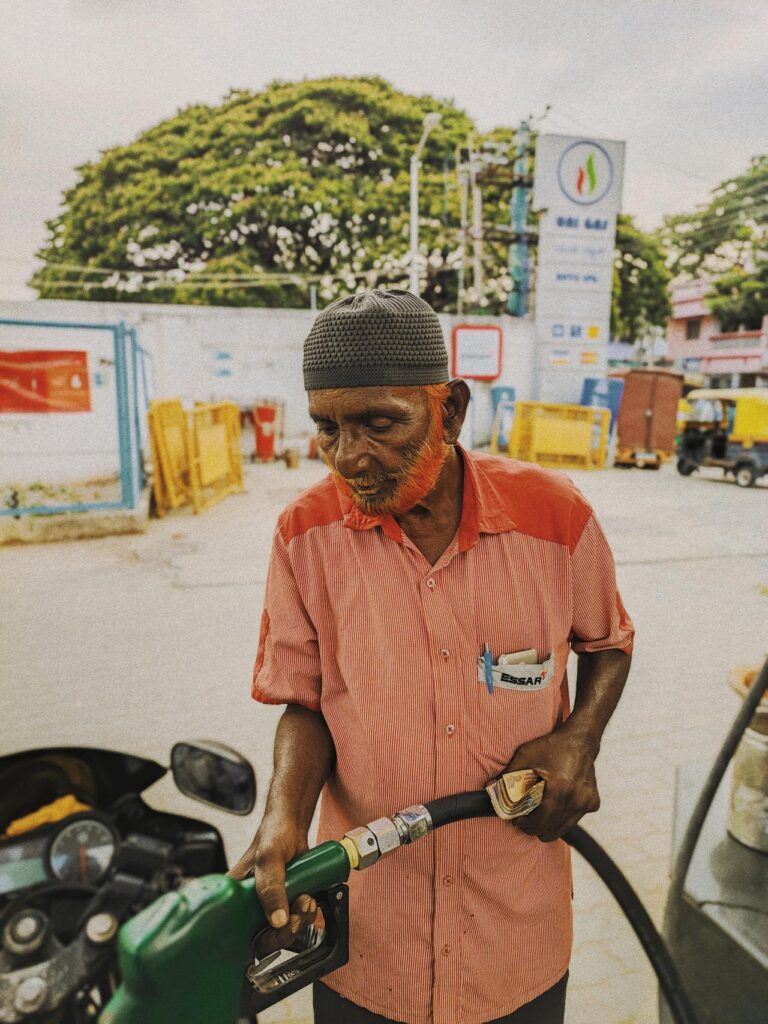
While they form the essential labour force for the city’s infrastructure and services boom, their integration, welfare, and access to basic amenities remain critically neglected, adding further pressure on civic services and contributing to social tensions.
Demographic Shifts: Rising Muslim Population
Bengaluru’s Muslim population has shown a steady rise both in absolute numbers and percentage share over the last three decades, primarily driven by in-migration for employment, business, and education.Historical Trend (Bengaluru / Bangalore Urban)
| Year | Total Population (approx.) | Muslim Population (approx.) | Muslim % Share | Key Notes |
|---|---|---|---|---|
| 1991 | ~4.1 – 4.5 million | ~0.49 – 0.55 million | ~11.5 – 12.0% | Steady base growth |
| 2001 | ~5.7 – 6.5 million | ~0.79 million | ~12.4 – 12.8% | Noticeable increase due to IT-driven migration |
| 2011 | 8.43 million (city) / 9.62 million (Urban district) | 1.13 – 1.25 million | 12.97% – 13.9% | Clear rise; ~13.4–13.9% in city limits |
| 2026 (est.) | 12.7 – 14.8 million (metro) | 1.9 – 2.3 million (est.) | 14 – 16% | Projections show continued moderate rise |
Key Observations (1996–2026): The Muslim population has roughly tripled in absolute numbers.
The percentage share has grown from ~11.5–12% in the early 1990s to an estimated 14–16% today. This shift adds cultural vibrancy and entrepreneurial energy but also fuels debates on resource allocation, housing pressure, and social integration amid infrastructure strains.
Water Crisis and Depletion of Lakes: Bengaluru’s Thirst Trap
Bengaluru, historically known as the City of Lakes with over 1,000 water bodies, is now facing a severe chronic water crisis.
The city has lost over 60% of its lakes and green cover to urbanization.Lake Depletion Trend
| Period | Approximate Number of Lakes | Status |
|---|---|---|
| 1970s | 250+ (in core city) | Functional traditional network |
| 2011–2015 | ~389 to 81 (core areas) | Sharp decline |
| 2026 (Current) | ~180–200 functional out of original 800+ in greater Bengaluru | Many in poor condition |
- In recent summers, 125+ lakes have dried up completely.
- Nearly 40% of monitored lakes fall into the worst water quality category due to untreated sewage.
- The city needs ~2,600 MLD of water daily but faces a ~500 MLD shortfall. Thousands of borewells have dried up, with new ones drilled to depths of 1,000–1,500 feet.
- Causes include lake encroachment for real estate and tech parks, concretization, and poor catchment management.
This crisis leads to skyrocketing tanker prices, water disputes, and long-term risks to public health and the city’s IT sustainability, especially in peripheral areas.
Job Cuts, Salary Freezes, and Oversupply in IT and Booming Sectors
Bengaluru’s tech ecosystem is experiencing a slowdown marked by widespread job cuts, hiring freezes, and stagnant salaries.
- Top IT firms recorded a net reduction of nearly 7,000 employees in FY26.
- Bengaluru alone reported over 50,000 IT job losses in 2024–2025, with continued impact into 2026.
- Entry-level salaries at major companies have remained frozen at ₹3–3.1 lakh per annum for over a decade.
- Oversupply of engineering graduates has intensified competition, with applications per opening rising sharply.
Impact of Oversupply on Individuals’ Lives: The talent glut and AI automation have caused financial stress (including struggles with high EMIs), mental health challenges, lifestyle downgrades, and career stagnation.
Many professionals are relocating to smaller cities or accepting significant pay cuts. This uncertainty compounds the pressures of rising rents, traffic, and water scarcity, creating widespread anxiety among the middle class that powers the city’s economy.
The Way Forward
Bengaluru’s challenges are deeply interconnected: migration drives demand, which overwhelms infrastructure, leading to pollution, congestion, water scarcity, employment stress, and social friction.
Urgent, large-scale reforms are needed in public transport, lake restoration, affordable housing, anti-corruption measures, sustainable urban planning, and skill development. As India’s tech capital, the city’s ability to resolve these pressures will determine not only its own future but also serve as a model for other rapidly urbanizing cities across the country. The window for effective corrective action is narrowing.

Comments