
YTC Ventures |TECHNOCRAT MAGAZINE | www.ytcventures.com
21 April 2026
Bengaluru, once famous as India’s cool Garden City, is now facing a severe Bengaluru heatwave 2026. The India Meteorological Department reports maximum temperatures in the city reaching 35–37°C — well above the normal 33–34°C.
North Karnataka districts like Kalaburagi, Bidar, Raichur, and Vijayapura are experiencing extreme heat with temperatures touching 42–45°C, triggering heatwave warnings across the region.This Bengaluru temperature rise is not a one-off event.
It reflects a worrying long-term trend driven by rapid urbanization and climate factors. Here is a complete deep analysis of Bengaluru heatwave, temperature trends, green cover loss, vanishing lakes, and practical natural solutions to survive the heat.
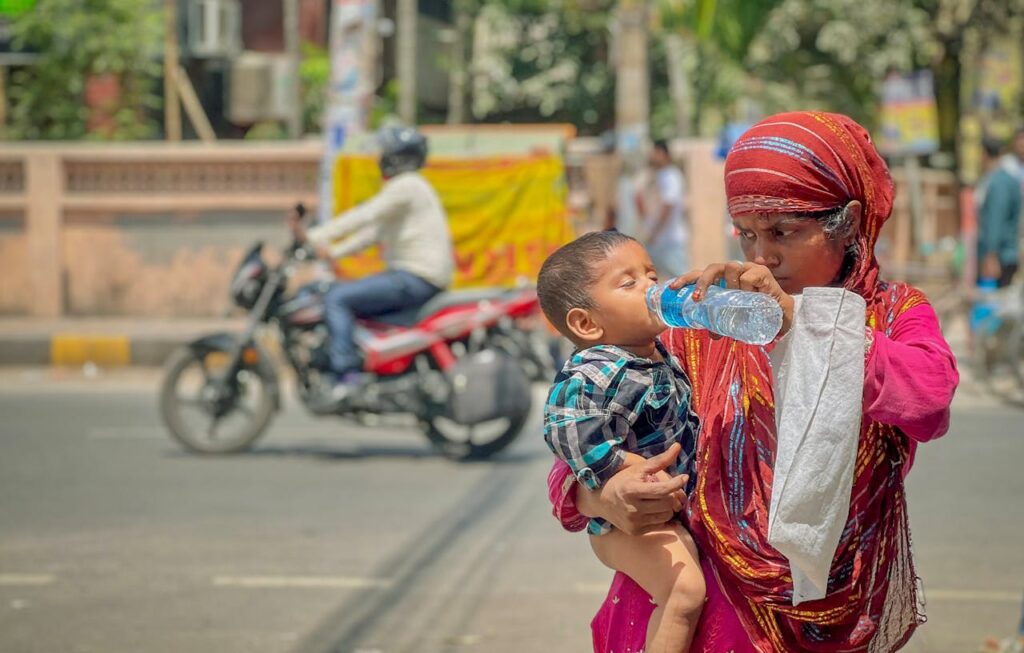
Bengaluru Temperature Trends 2005 to 2026: Clear Evidence of Warming
Bengaluru’s summers have become noticeably hotter over the past two decades.
Here is the annual temperature data summary:
| Year | Annual Mean Temperature (°C) | Annual Mean Maximum Temperature (°C) |
|---|---|---|
| 2006 | 23.8 | 29.9 |
| 2007 | 23.8 | 29.8 |
| 2008 | 23.5 | 29.5 |
| 2009 | 24.0 | 29.8 |
| 2010 | 24.1 | 29.7 |
| 2011 | 23.5 | 30.1 |
| 2012 | 24.2 | 30.9 |
| 2013 | 23.9 | 30.4 |
| 2014 | 24.2 | 30.6 |
| 2015 | 23.9 | 30.3 |
| 2016 | 24.4 | 30.7 |
| 2017 | 24.3 | 30.4 |
| 2018 | 23.9 | 29.9 |
| 2019 | 24.5 | 30.4 |
| 2020 | 24.1 | 30.0 |
| 2021 | 23.9 | 29.6 |
| 2022 | 23.7 | 29.5 |
| 2023 | 24.4 | 30.3 |
| 2024-2026 | Rising trend (April 2026 already 2-3°C above normal) | – |
April and May months consistently show the sharpest increase, with many days crossing 36°C in recent years.
This Bengaluru temperature rise is amplified by the Urban Heat Island effect, making the city 3–6°C hotter than surrounding rural areas.
Main Reasons for Bengaluru Temperature Rise and Heatwave 2026
The Bengaluru heatwave is caused by a combination of local and global factors:
- Rapid concretization and urbanization: Massive replacement of green spaces and water bodies with concrete, roads, and buildings traps heat.
- Decline in green cover: Loss of trees and vegetation reduces natural cooling through shade and evapotranspiration.
- Disappearing lakes: Water bodies that once acted as natural coolers have shrunk dramatically.
- Vehicle emissions and air conditioners: Add extra heat to the local atmosphere.
- Climate change: Rising baseline temperatures and changing weather patterns worsen the situation.
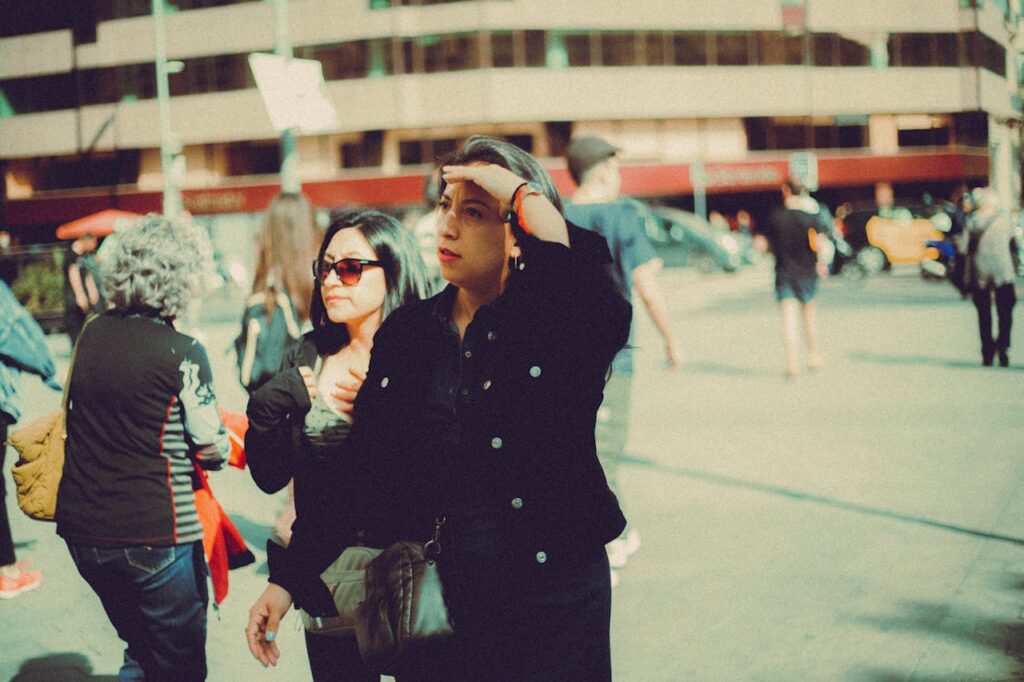
Green Cover in Bengaluru: From Garden City to Concrete Jungle
Bengaluru’s green cover has declined sharply, directly contributing to higher temperatures.
| Year | Green/Vegetation Cover (%) |
|---|---|
| 1973 | 68.27 |
| 1992 | 46.22 |
| 1999 | 45.77 |
| 2006 | 28.83 |
| 2012 | 23.25 |
| 2013 | 14.69 |
Recent estimates show tree and vegetation cover has further dropped in many parts of the city.
This massive loss is one of the biggest reasons for the Bengaluru temperature rise.
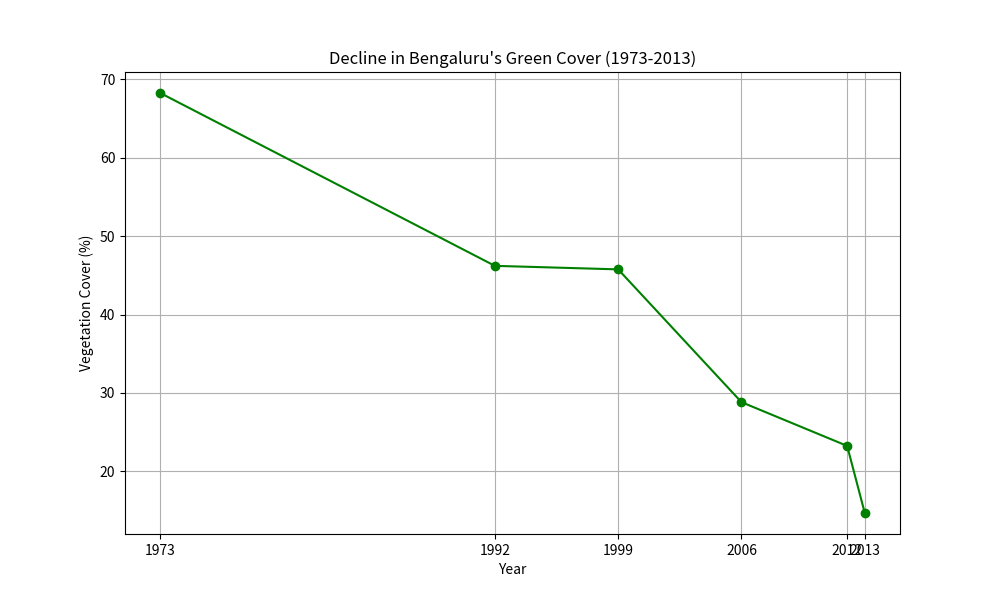
Graph: Decline in Bengaluru’s Green Cover (1973–2013)
(The line chart shows a steep downward trend from nearly 68% in 1973 to below 15% by 2013.)
Bengaluru Lakes: The Vanishing Natural Cooling System
Bengaluru was once called the City of Lakes with over 700 water bodies.
These lakes played a vital role in temperature regulation through evaporative cooling.
- Water spread area reduced from 2,324 hectares in 1973 to just 446 hectares by 2013.
- Many lakes have been encroached, polluted, or converted into sewage pits.
- Restoration efforts are ongoing but need much faster action.
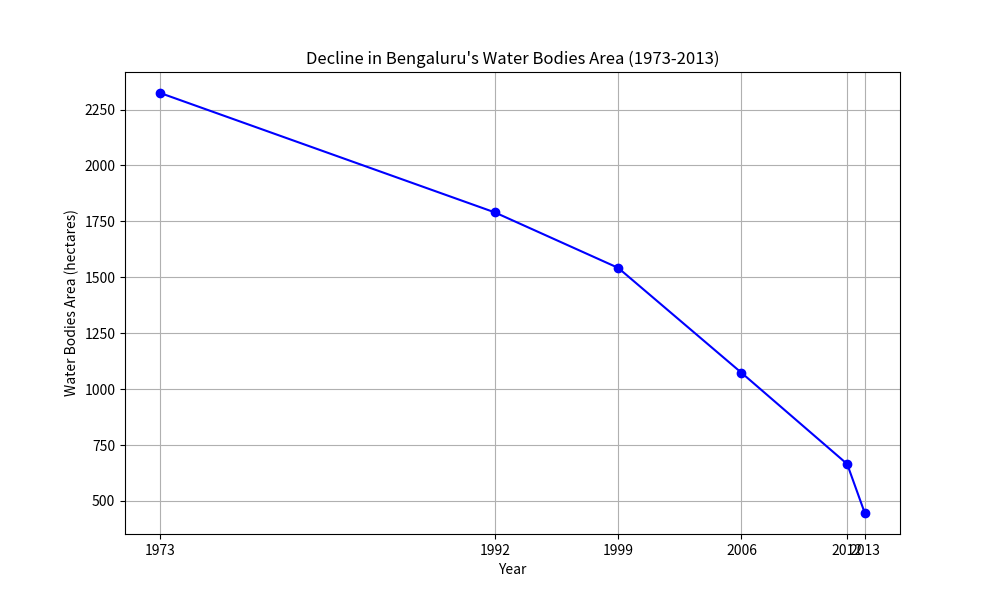
Graph: Decline in Bengaluru’s Water Bodies Area (1973–2013)
(The chart clearly shows the dramatic shrinkage of lake area over four decades.)
The loss of lakes and surrounding greenery has removed natural air-conditioning, making heatwaves more intense in Bengaluru heatwave 2026.
How to Survive Heat in Bengaluru: Natural and Effective Solutions
Here are practical, natural ways to beat the Bengaluru heatwave without over-relying on air conditioners:
- Stay hydrated naturally: Drink plenty of coconut water, buttermilk with mint, lemon water, or barley water. These help maintain electrolyte balance.
- Cooling foods: Eat watermelon, cucumber, curd, mint, coriander, and fennel-rich meals. Avoid heavy, spicy, and fried foods during peak heat.
- Traditional cooling methods: Use earthen pots (matkas) for drinking water. Hang wet khus or cotton curtains on windows for natural evaporative cooling.
- Timing and clothing: Avoid direct sun between 11 AM and 4 PM. Wear loose, light-colored cotton clothes and wide-brimmed hats.
- Home cooling tips: Place indoor plants, use ceiling fans with wet towels, and apply sandalwood paste or rose water on skin for cooling.
- Breathing and rest: Practice cooling pranayama like Sheetali. Take short naps in well-ventilated shaded rooms.
- Long-term action: Plant trees in your balcony or community. Support lake revival and green cover restoration drives.

Conclusion: Time to Restore Bengaluru’s Cool Climate
The Bengaluru heatwave 2026, rising temperatures, declining green cover, and vanishing lakes paint a serious picture. Immediate steps to increase tree plantation, protect and restore lakes, and promote green buildings are essential to reverse the Bengaluru temperature rise.
By adopting natural heat survival methods today and supporting ecological restoration, residents can stay safe during extreme heat while helping bring back the pleasant climate of the Garden City. Stay cool, hydrated, and plant more trees this season!

Comments