
YTC Ventures | TECHNOCRAT MAGAZINE | www.ytcventures.com
11 March 2026
In a dramatic escalation of the ongoing Middle East conflict, three commercial vessels were struck by unknown projectiles in the Strait of Hormuz today, amplifying fears of a broader disruption to one of the world’s most critical energy arteries.
The incidents, involving a Thai-flagged bulk carrier, a Japanese container ship, and a Greek-owned vessel, have led to fires, evacuations, and a sharp drop in maritime traffic through the strait—a chokepoint that handles roughly 20% of global oil supplies and 20% of liquefied natural gas (LNG).
As tensions between Iran, the US, and Israel reach a boiling point, energy markets are reeling, with crude oil prices swinging wildly and experts warning of prolonged economic fallout.
The Incidents: A Pattern of Maritime Peril
The attacks mark the latest in a series of strikes since the US and Israel launched joint operations against Iran on February 28. The Thai-flagged Mayuree Naree suffered engine room damage and a fire, with three crew members missing after evacuation. The ONE Majesty, a Japanese-flagged container ship, reported minor damage but continued to a safe anchorage.
A third Greek bulk carrier sustained superficial hits northwest of Dubai, with no serious injuries. These events follow similar disruptions, including drone strikes on Saudi refineries and threats from Iran’s Revolutionary Guards to target any vessels attempting transit.
Maritime security agencies have issued advisories urging vessels to avoid the area, resulting in over 150 ships anchoring outside the strait.
Traffic has slowed to a crawl, effectively closing the waterway that funnels oil from producers like Saudi Arabia, Iraq, and the UAE to global markets. Analysts note that even short-term blockages could exacerbate supply shortages, echoing historical crises like the 1970s oil shocks.
Surging Prices: Brent and WTI in Turmoil
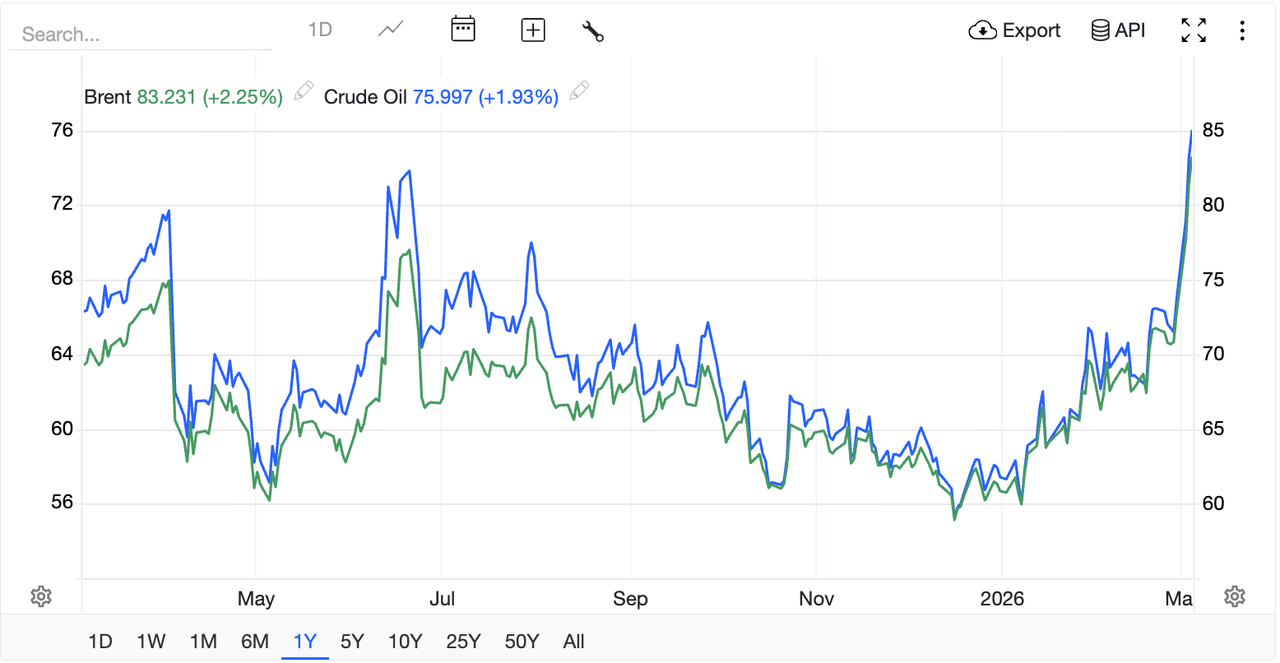
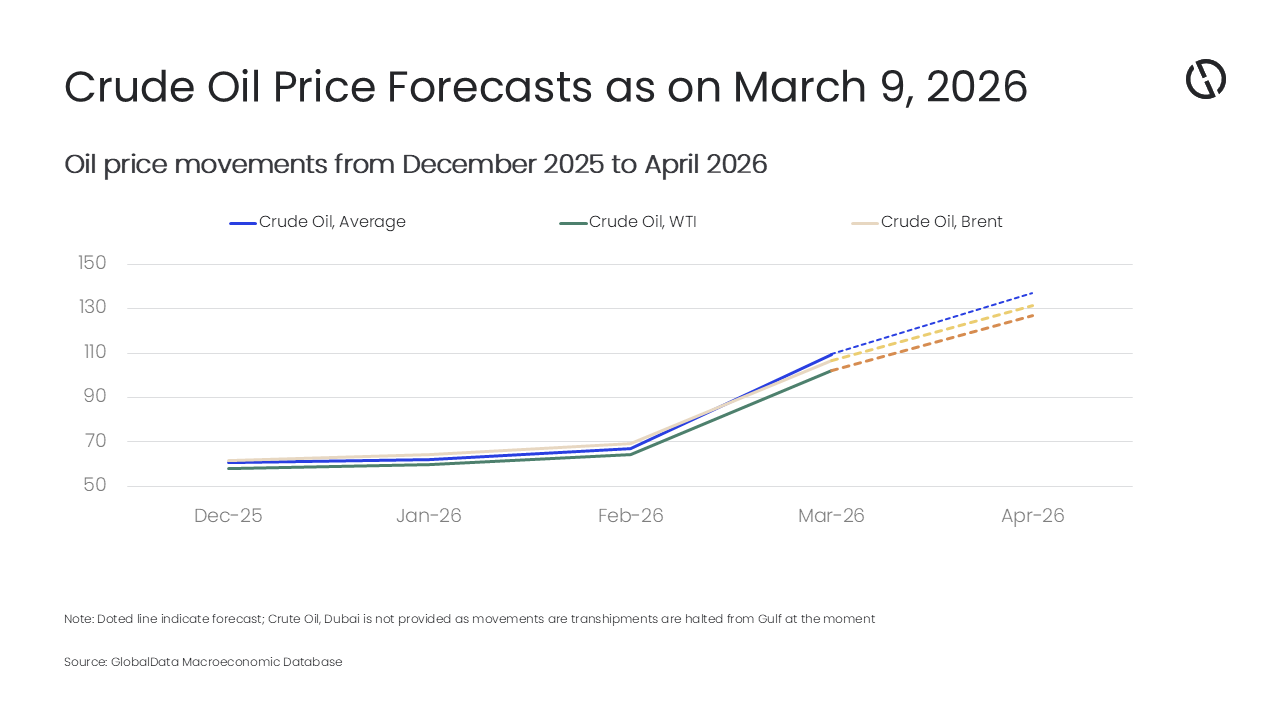
Crude oil prices have been on a rollercoaster since the conflict intensified. As of today, Brent crude futures hovered around $91 per barrel, up from pre-conflict levels near $70, reflecting a 30% surge in recent weeks.
West Texas Intermediate (WTI) stood at approximately $85 per barrel, with intraday spikes pushing it toward $88. Earlier in the month, prices briefly hit $119 per barrel amid initial fears of a full strait closure, before retreating on mixed signals about US naval escorts and potential de-escalation.
The volatility stems from the strait’s strategic importance: disruptions here could halt up to 20.5 million barrels per day, triggering risk premiums and inflationary pressures worldwide. The International Energy Agency (IEA) is preparing a record release of strategic reserves to mitigate shortages, but experts doubt its long-term efficacy if attacks persist. Iranian officials have warned of prices soaring to $200 per barrel, a scenario that could materialize if the conflict drags on.
Global Impacts: Ripple Effects on Major Economies
The fallout from these attacks extends far beyond the Middle East, threatening energy security and economic stability in oil-importing nations.
Here’s a breakdown of potential effects on crude oil supplies and retail prices in key countries:
| Country/Region | Current Impact on Crude Oil | Projected Price Effects | Broader Economic Risks |
|---|---|---|---|
| United States | Minimal direct supply disruption due to domestic production, but higher global benchmarks inflate import costs. WTI at $85/bbl. | Gasoline prices up 10-15% in weeks, averaging $4.50/gallon nationwide. | Rising inflation (core CPI moderated but energy spikes add pressure); political fallout for Republicans ahead of midterms. Potential recession if prolonged. |
| China | Heavy reliance on Middle East imports (40% of needs via Hormuz); seeking safe passage deals with Iran. | Crude imports costlier, pushing domestic fuel prices up 8-12%. LNG shortages from Qatar exacerbate. | Slowed growth in manufacturing; currency devaluation risks; inflation in food and transport sectors. |
| European Union | Exposed to LNG disruptions (20% global via strait); major energy companies declare force majeure on Qatari supplies. | Brent-linked prices drive heating oil and diesel up 15-20%; stock indices down 2-3%. | Energy crises in winter; stock market declines; higher inflation eroding post-pandemic recovery. |
| India | 80% oil imports vulnerable; rupee under pressure from rising costs. | Petrol/diesel prices could rise ₹10-15/liter, fueling broader inflation. | Currency “perfect storm”; food price spikes from fertilizer shortages (35% global via strait). |
| Japan & South Korea | Near-total dependence on imported oil; ships like ONE Majesty highlight risks. | Wholesale crude up 10-15%; retail fuel hikes straining households. | Industrial slowdown; yen/won depreciation; potential GDP contraction if supplies dwindle. |
OPEC production has dropped by 6.7 million barrels per day across affected nations, with Saudi Arabia shutting major refineries after strikes. Globally, this could add $5-10 per barrel in risk premiums, inflating shipping insurance and rerouting costs.
If unresolved, analysts predict a 1-2% drag on world GDP, with poorer nations facing acute food insecurity from disrupted fertilizers.
Outlook: A Volatile Path Ahead
While US naval interventions have occasionally stabilized prices—such as a 15% drop after escorting a tanker—the underlying risks remain high. Energy traders are betting on short-lived spikes, but prolonged conflict could shatter that optimism.

For tech-driven economies, higher energy costs mean elevated data center operations and supply chain strains, underscoring the need for diversified renewables.
As the world watches the Strait of Hormuz, one thing is clear: these attacks aren’t just regional—they’re a global economic wildcard.

Comments