
YTC Ventures | TECHNOCRAT MAGAZINE | www.ytcventues.com
Greenhouse horticulture represents one of the most resilient and profitable segments of modern agriculture. By creating controlled environments, growers achieve year-round production, 2–3x higher yields than open-field farming, reduced water and pesticide use, and protection from extreme weather.
Global demand for premium vegetables, fruits, herbs, and flowers drives this sector, especially in water-scarce or climate-vulnerable regions. Israeli technology stands at the forefront, transforming arid or challenging landscapes into productive hubs through precision engineering, automation, and resource efficiency.
This analysis examines Israeli innovations, business models, global reach, a curated list of collaboration-ready companies, a practical 800–1,000-acre development plan, and critical soil considerations for success.
Deep Dive into Israeli Greenhouse Technology for Horticulture
Israel has pioneered protected cultivation since the 1950s, overcoming desert conditions to become a global exporter of know-how. Core innovations include:
- Precision Irrigation & Fertigation: Netafim’s drip systems (invented in Israel in 1965) with pressure-compensated drippers deliver water and nutrients directly to roots, achieving 40–90% water savings. PCJ-CNL drippers dominate high-end greenhouses worldwide.
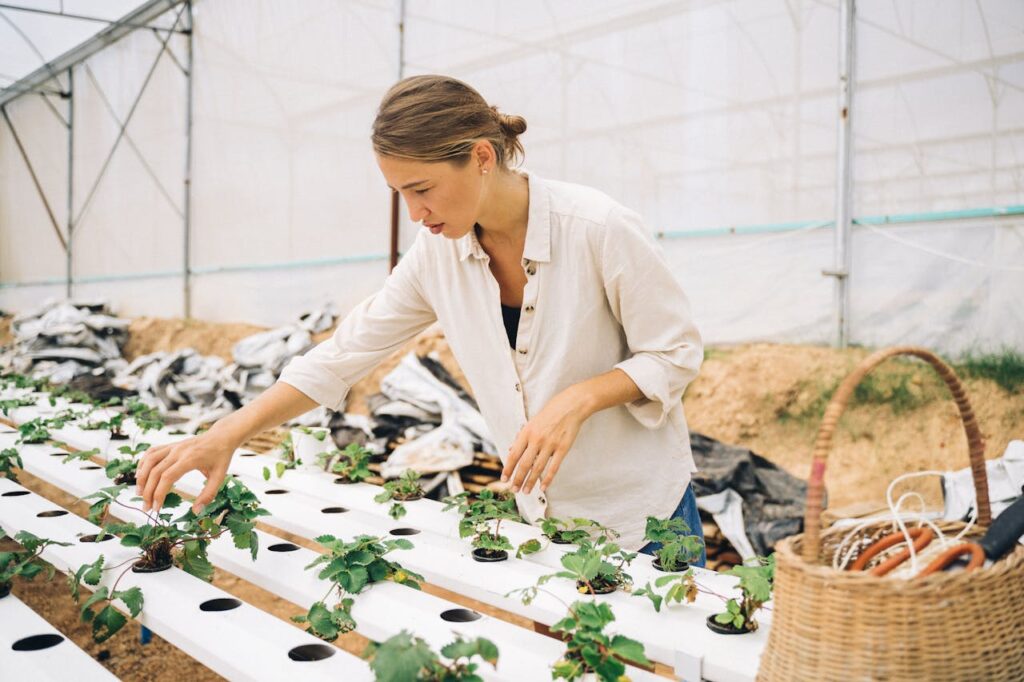
- Soilless & Hydroponic Systems: Hanging gutters, rockwool, perlite, coconut coir, or peat substrates eliminate soil variability. Nutrient dosing is precise, with drain water recycled via UV disinfection (recovering 20–30% of water and nutrients).
- Advanced Climate Control: Integrated heating (boilers, hot-water storage, CO₂ enrichment up to 800 ppm), cooling, shading screens, and fogging maintain optimal conditions 24/7. Burners with Tichelmann piping ensure even heat distribution; solar/biogas hybrids reduce energy costs.
- Automation & AI: Sensors (Phytech’s PlantBeat, CropX soil platforms), AI-driven monitoring (Prospera, AgriTask), and robotics enable real-time adjustments for irrigation, pest detection, and climate via mobile apps. Full automation controllers support remote supervision.
- Smart Structures & Coverings: Companies like AZROM and Ginegar design durable, light-optimized greenhouses (Venlo-style or poly-tunnels) with anti-drip, diffusive, and thermal films that maximize light transmission while controlling humidity and pests.
- Sustainability Features: Water recycling prevents groundwater contamination; CO₂ enrichment boosts yields; biological pollination (BioBee bumblebees) and low-energy LED systems (iShence) cut inputs.
These technologies deliver consistent high-quality crops (tomatoes, cucumbers, peppers, leafy greens, strawberries) even in extreme climates, with documented 200–300% yield gains in international projects and 40% reductions in water/fertilizer use.
Business Models of Israeli Companies
Israeli firms operate flexible, export-oriented models tailored to large-scale or smallholder needs:
- Turnkey/EPC (Engineering, Procurement, Construction): End-to-end design, build, install, and commissioning (Argos, Netafim, AZROM). Includes post-harvest infrastructure, training, and 1–2 years of support.
- Equipment Supply + SaaS/Services: Sell irrigation systems, sensors, or structures plus subscription-based AI platforms for ongoing optimization and maintenance contracts.
- Joint Ventures & Public-Private Partnerships (PPPs): Local co-development, e.g., India’s 30+ Centers of Excellence or African flower/vegetable projects.
- Knowledge Transfer & Licensing: Training programs, seed varieties, and tech licensing for local manufacturing.
- Hybrid/Yield-Sharing: Some offer performance-based models tied to productivity gains.
These models emphasize affordability, rapid ROI, and local job creation rather than pure exports.
Top World Regions Where Israeli Companies Operate
Israeli agritech thrives in arid, extreme-climate, or high-growth markets:
- Asia: India (major focus with 30+ CoEs for mango, pomegranate, vegetables), China, Indonesia, Vietnam.
- Africa: Kenya, Ethiopia, South Africa, Central Africa (flowers, vegetables, year-round production).
- Central & Southeast Asia: Large-scale climate-controlled projects.
- Americas: USA, Mexico, Brazil, Latin America (precision systems for high-value crops).
- Europe, Australia & Middle East: UAE, Jordan, and select European markets for premium horticulture.
Focus areas include food security, export-oriented farming, and off-grid/solar-powered solutions.
You must be logged in to view this content.Step-by-Step Plan to Develop 800–1,000 Acres Using Israeli Advanced Agriculture
Scaling to 800–1,000 acres (approx. 324–405 hectares) requires phased implementation with Israeli turnkey expertise.
Total timeline: 24–48 months; start with a 100–200 acre pilot.
- Feasibility & Site Selection (Months 1–3): Conduct soil/water/climate analysis with Israeli consultants (e.g., Netafim or Argos). Secure water rights (desalination or recycling critical). Choose well-drained flat land near markets/power.
- Design & Engineering (Months 4–6): Partner with AZROM/ARGOS/Netafim for customized greenhouse layout (Venlo or poly-tunnels). Integrate AI climate control, drip systems, and hydroponics. Budget for solar/biogas hybrids.
- Infrastructure Development (Months 7–12): Level land, install roads, power, water treatment/recycling plants, and cold storage/packing houses.
- System Installation & Phased Rollout (Months 13–24): Install structures, irrigation/fertigation, sensors, and automation in phases (200 acres per phase). Source high-yield seeds/seedlings from Israeli partners. Test water recycling and CO₂ systems.
- Training & Knowledge Transfer (Ongoing from Month 12): Israeli teams provide on-site training for local staff (climate control, AI platforms, maintenance). Establish local service contracts.
- Operations & Scaling (Year 2+): Launch commercial production. Use AI dashboards for real-time optimization. Monitor yields and expand remaining acreage.
- Marketing, Export & Maintenance: Target premium local/export markets. Secure long-term maintenance/SaaS contracts with Israeli firms.
Expected outcomes: 200–300% yield uplift, 40–60% water savings, rapid ROI through high-value crops (tomatoes, peppers, berries).
Soil Conditions Required for Success
Israeli technology is highly adaptable — many projects succeed on marginal land via soilless culture (preferred for 80%+ of modern Israeli-style greenhouses).
- Soilless (Recommended): Rockwool, perlite, coconut coir, or peat substrates — full control over nutrients/pH; eliminates soil-borne diseases. Ideal for 800–1,000 acres scale.
- Soil-Based (Feasible with Amendments): Well-drained sandy loam or loamy sand (critical for drip irrigation). pH 5.5–7.0. Low salinity (EC < 2 dS/m; Israeli systems manage higher via leaching/recycling). Good organic matter or amendments (compost) for structure. Avoid heavy clay without drainage improvements.
- Key Success Factors: Excellent drainage to prevent salinization (common in greenhouses); Israeli UV recycling and precise fertigation mitigate salinity buildup. Pre-plant soil solarization or bio-fumigation controls pathogens.
With Israeli systems, even sandy/desert or slightly saline soils become highly productive. Conduct a professional soil test early and opt for hybrid soilless/soil approaches for optimal results.
Conclusion
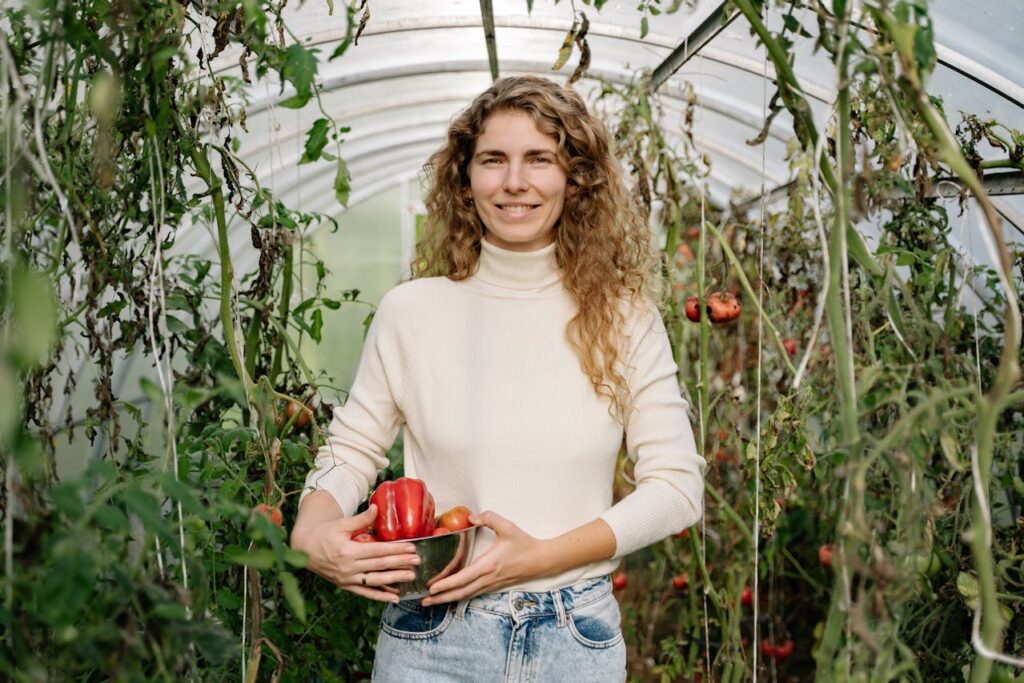
Greenhouse horticulture powered by Israeli technology offers a proven path to sustainable, high-profit farming at scale. From precision drip systems to AI-driven automation, these solutions deliver resilience and profitability in any climate.
For 800–1,000-acre projects, engaging turnkey partners like Netafim, AZROM, or Argos ensures success. Contact the Israel Export Institute or listed companies for tailored proposals — the future of horticulture is controlled, efficient, and Israeli-inspired.
This model has already transformed projects in India, Africa, and beyond; it is ready for large-scale replication worldwide.

Comments