
YTC Ventures| Technocrat Magazine
November 11, 2025
In a city where the skyline is often blurred by progress, Delhi’s air has turned into a silent assassin. Overnight, the Air Quality Index (AQI) surged from a “very poor” 362 on Monday to a choking 425 by Tuesday morning, plunging the National Capital Region (NCR) into the “severe” category for the first time this winter season. The Commission for Air Quality Management (CAQM) wasted no time: Stage III of the Graded Response Action Plan (GRAP) was invoked with immediate effect across Delhi, Haryana, Uttar Pradesh, and Rajasthan districts.
This isn’t just another seasonal smog alert—it’s a full-spectrum lockdown on construction, older vehicles, and industrial ops, all aimed at staving off a public health catastrophe.Blame calm winds, stagnant atmosphere, and the usual winter cocktail of crop stubble burning (down 35% in Punjab and 65% in Haryana compared to last year, per CAQM data), vehicular emissions, and industrial fumes.
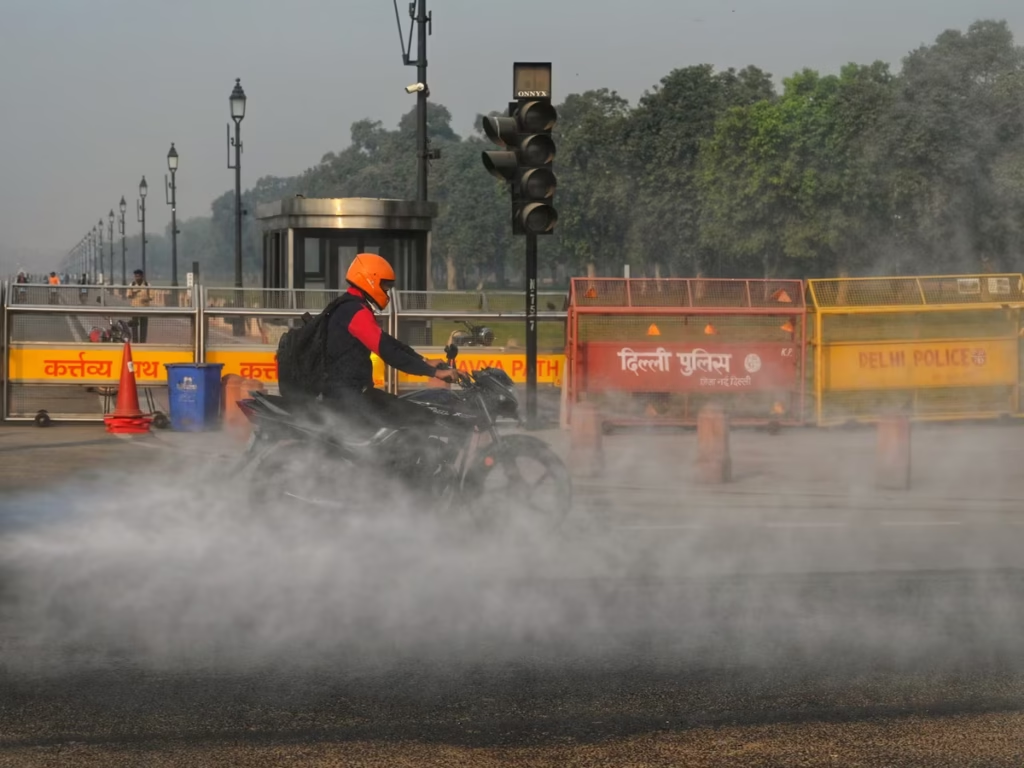
The result? A toxic blanket that’s not just irritating eyes and throats—it’s infiltrating lungs, spiking hospital visits, and rewriting daily life. As one X user quipped amid the chaos: “Delhi’s air is so bad, even the pigeons are wearing masks.” But behind the memes lies a grim reality: Severe pollution affects even the healthy, while those with respiratory issues face life-threatening risks.
The GRAP Stage III Arsenal: Bans and Curbs in Full Force
GRAP isn’t a suggestion—it’s enforceable law, building on Stages I and II already in play.
Here’s the breakdown of what’s hitting pause across NCR:
| Category | Restrictions | Exemptions/Notes |
|---|---|---|
| Construction & Demolition | Complete ban on all non-essential activities, including earthwork, piling, and Ready-Mix Concrete plants. Stone crushers and mining operations shut down. | Essential projects like roads, railways, airports, pipelines, and sanitation continue. No ifs or buts—fines up to ₹1 lakh per violation. |
| Vehicles | Ban on BS-III petrol and BS-IV diesel Light Motor Vehicles (four-wheelers) in Delhi + Gurugram, Faridabad, Ghaziabad, Gautam Buddh Nagar. Non-essential diesel medium/light commercial vehicles from outside Delhi restricted. Interstate diesel buses banned except for electric/CNG/BS-VI. | Persons with disabilities exempt. Public transport ramps up with extra CNG/electric buses. |
| Industries | Coal/gas-based units (except for essential commodities) and captive generators (except for 24-hour operations) halted. No waste burning. | Power plants, hospitals, and critical infrastructure spared. |
| Education & Work | Schools up to Class 5 in Delhi and select NCR districts (Gurugram, Faridabad, Ghaziabad, Gautam Buddh Nagar) switch to hybrid mode—physical + online where feasible. | States mandated to enforce; offices urged to boost work-from-home. |
| Other | Diesel generators banned except for emergencies. Dust control at traffic hotspots intensified. | All prior GRAP measures (e.g., odd-even hints if it worsens) remain. |
These measures kick in immediately, with CAQM’s sub-committee monitoring compliance via daily reviews. Violators? Expect drone surveillance, flying squads, and hefty penalties. As per CPCB guidelines, “severe” AQI (401-450) means visible smog, reduced visibility, and a spike in PM2.5/PM10 levels that lodge deep in your bloodstream.
Health Alert: Why This Smog is a Silent Killer
Doctors are sounding alarms louder than foghorns. “Even healthy lungs are struggling—expect coughs, wheezing, and fatigue,” warns a pulmonologist on X, echoing reports of ERs filling with pollution-aggravated cases. A 2023 Lancet study pegged India’s air pollution toll at 2.2 million premature deaths annually; Delhi’s share is outsized. Kids, elders, and those with asthma/COPD? High-risk. Pro tips from experts:
- Stay Indoors: Use HEPA filters; avoid outdoor exercise.
- Mask Up: N95/KN95 for any essential outings.
- Hydrate & Monitor: Steam inhalation, saline gargles, and track AQI via apps like Sameer.
- Long-Term: Demand enforcement—stubble bans, EV push, green corridors.
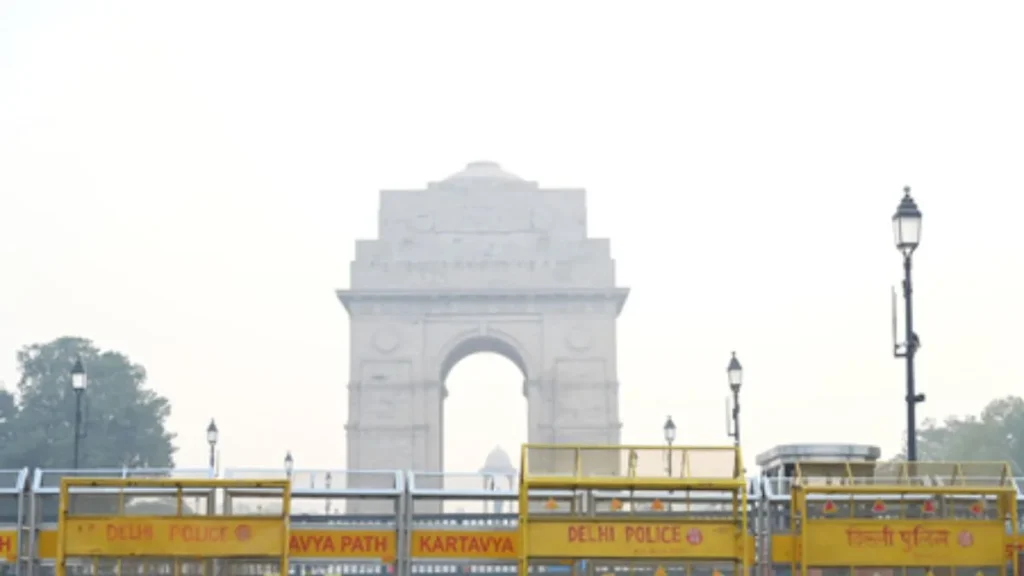
X is ablaze with reactions: Viral videos of masked commuters, hybrid school announcements, and stock tips on air purifiers (Blue Star, Voltas seeing a bump).
One post from INC spokesperson Dr. Shama Mohamed—bed-bound on oxygen with a “700+ AQI” claim (actual: 425)—sparked debate, but the core cry rings true: Multi-state war footing needed, from Punjab fields to Delhi roads.
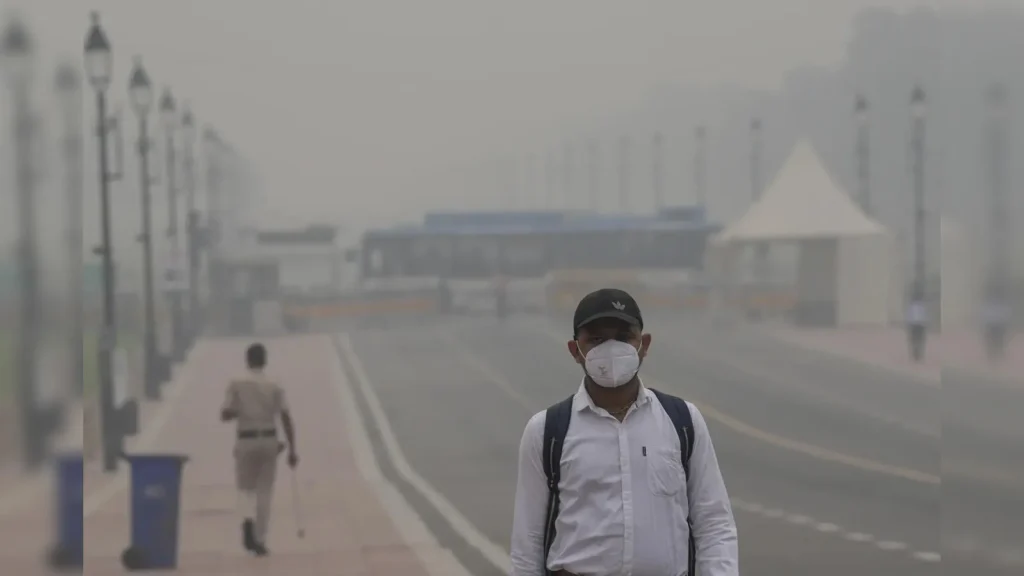
Beyond the Ban: A Call for Systemic Overhaul
This is Delhi’s annual ritual, but 2025’s early trigger signals deeper rot. Crop burning’s down, yet AQI’s up—pointing to unchecked urban sprawl, lax enforcement, and climate whims. CAQM’s optimistic note: Delhi’s Jan-Nov average AQI is 175 vs. 189 last year.
But trending on X? Calls for PM-led summits, not just GRAP tweaks.As the haze thickens, NCR residents aren’t just breathing polluted air—they’re exhaling frustration. Stage III buys time, but the real fix? Innovation over imposition: AI-monitored emissions, subsidized EVs, farmer tech for residue.
Until then, mask on, vents closed, and eyes on the forecast. The galaxy’s watching, Commander—will Delhi clear the air?AM KKS-36141 is a technocrat decoding urban ecosystems.
Delhi air pollution 2025, GRAP Stage III restrictions, NCR AQI severe, construction ban Delhi, vehicle curbs pollution, hybrid schools Delhi smog.This article is optimized for trending visibility—share to amplify the signal.

Comments