
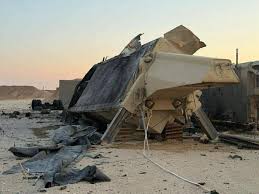
Iran’s Devastating Blow to U.S. Missile Defenses: Analyzing the Destruction of THAAD Radars
Iran DESTROYS $300M+ US THAAD Radar: Massive Cost Asymmetry Shocks Global Defense – Game Over for Billion-Dollar Shields?Iran has stunned the world by destroying a critical $300 million AN/TPY-2 radar – the heart of America’s THAAD missile defense system – at Jordan’s Muwaffaq Salti Air Base. Satellite images from early March 2026 show the high-value asset blackened and surrounded by debris after an Iranian drone strike, with reports of additional radar hits across the Gulf.This strike perfectly demonstrates asymmetric warfare in action: low-cost Iranian drones and missiles (~$20,000–$60,000 each) obliterating ultra-expensive US tech worth hundreds of millions to billions.Cost of Destruction: The Brutal Asymmetry TableIran’s cheap weapons are forcing massive financial pain on the US and allies – here’s the breakdown:Destroyed/Damaged Asset
Estimated Cost (per unit)
Attacking Weapon (Iranian)
Attacker Cost (per unit)
Cost Ratio (Defender : Attacker)
Strategic Impact
AN/TPY-2 THAAD Radar (Jordan – Confirmed)
$300–$550 million
Shahed drone or precision strike
$20,000–$60,000
5,000–27,500 : 1
Blinds missile tracking over key Gulf area
Additional AN/TPY-2 Radars (UAE x2, Saudi x1 – Reported)
$300–$1 billion each (total ~$1–$3B)
Low-cost drones/missiles
$20,000–$60,000
5,000–50,000 : 1
Cripples regional THAAD network coverage
AN/FPS-132 Early Warning Radar (Qatar example)
Up to $1.1 billion
Single drone or missile
$20,000–$50,000
22,000–55,000 : 1
Weakens early detection for THAAD/Patriot
THAAD Interceptors (defensive use)
$12–$15 million each
Drone swarms
$20,000–$50,000
240–750 : 1
Rapidly drains expensive stockpiles
Total Estimated Losses (Radars Only)
$2–$3 billion+
Multiple low-cost strikes
Millions
Extreme asymmetry
Forces reliance on stretched Patriot systems
Iran’s total spend: Likely under $100–$500 million for the campaign phase.
US/allied bleed: Billions in irreplaceable assets (radars take years to rebuild) + ongoing defense costs.
Why asymmetry wins: One cheap drone forces millions in damage or intercept spending – unsustainable long-term.
Asymmetric Warfare Redefined: Iran’s MasterclassAsymmetric warfare lets a smaller force punch way above its weight by targeting expensive, vulnerable points instead of matching strength head-on. Iran excels here:Swarm tactics — Flood skies with affordable drones to overwhelm and exhaust billion-dollar interceptors.
Precision hits on high-value targets — Radars are static, rare, and irreplaceable fast.
Economic warfare — Make defense prohibitively expensive while attackers spend fractions.
Psychological victory — Proves even “invincible” US systems have glaring weaknesses.
This mirrors Ukraine’s drone successes but on a Gulf scale – and it’s shifting the power dynamic fast. Energy markets are volatile, US stockpiles strained, and questions mount: Can high-tech dominance survive budget innovation?