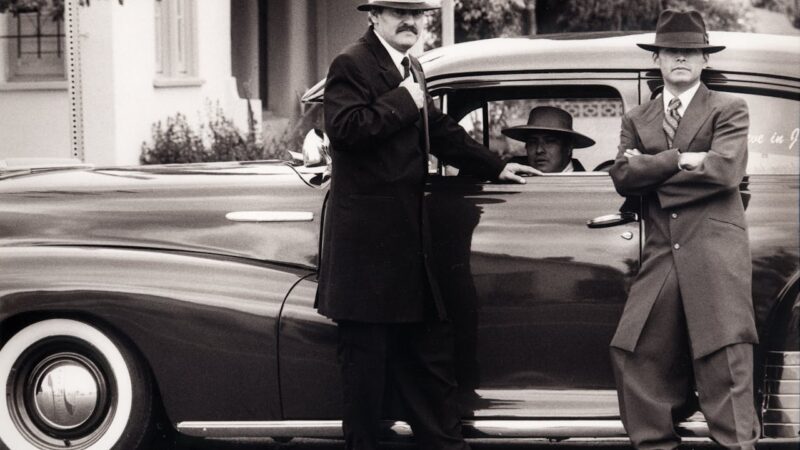
From 1930s Technate to Silicon Valley Oligarchy: A Historical Parallel
The striking historical parallel between the 1930s Technate vision and today’s Silicon Valley oligarchy reveals a recurring pattern: profound distrust in traditional political and economic systems fueling the rise of expert-led rule, first proposed by Howard Scott as a continental superstate governed by engineers through energy-based scientific planning, and now manifesting in the concentrated power of tech billionaires who deploy AI, data monopolies, and algorithmic platforms to shape global policy, infrastructure, and societal behavior with minimal democratic oversight. While the original Technocracy movement sought egalitarian abundance by abolishing the wasteful “price system” and replacing politicians with impartial technical experts, the modern iteration has morphed into a privatized techno-oligarchy where optimization serves shareholder value, elite innovation agendas, and proprietary control rather than universal prosperity—evident in the influence of Silicon Valley leaders over information flows, regulatory capture, digital sovereignty debates, and even speculative territorial ambitions echoing the Technate’s borderless North American blueprint. This evolution from idealistic, anti-capitalist blueprint to capitalist, top-down dominance underscores the persistent risk: when technical expertise escapes accountability, it can transition from utopian promise to sophisticated mechanism of unaccountable power, raising urgent questions in 2026 about whether AI-augmented governance will augment democracy or quietly supplant it in favor of a new form of digital aristocracy.