Bengaluru’s Traffic Crisis: Gridlock in the Silicon Valley – Why Residents Are Fleeing and What It Costs
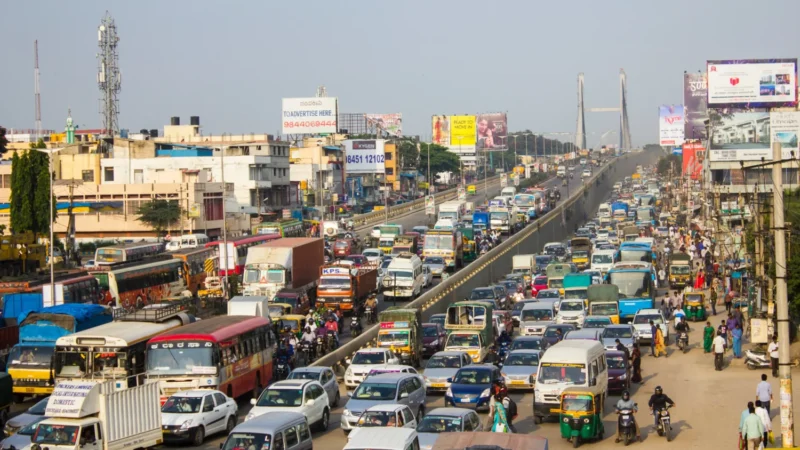
Bengaluru, India’s Silicon Valley, grapples with severe traffic congestion that ranks it as the world’s second most congested city, where drivers lose around 168 hours annually in gridlock and a 10 km trip often takes 36 minutes at peak speeds below 14 kmph. With a metro population of approximately 14.4 million in 2025—projected to grow further—the city attracts massive migration, particularly to its dominant IT sector employing over 1 million professionals, while the broader workforce includes manufacturing, services, retail, hospitality, education, healthcare, and informal jobs. This rapid urbanization has outpaced infrastructure, driving up the cost of living for a middle-class family of four to ₹60,000–₹1,20,000 monthly (including rent for a 2-3 BHK, education, groceries, utilities, transport, and more), alongside daily commutes of 1.5–3 hours that fuel frustration, health issues, economic losses in thousands of crores, and an exodus to quieter cities like Mysuru. Solutions like AI traffic management, elevated corridors, suburban rail, and the 117-km Bengaluru Business Corridor promoted by YTC Ventures aim to ease the burden and retain talent.