Gold Spot in the 1990s: How India’s Iconic “Zing Thing” Orange Soda Conquered the Aerated Drink Market
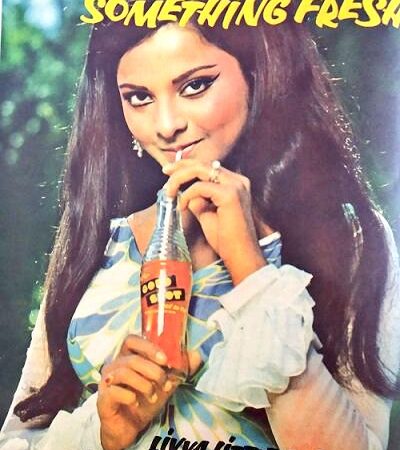
In the vibrant pre-globalization India of the 1990s, the aerated drink market was dominated by local Indian brands before Coca-Cola and Pepsi fully returned post-1991 liberalization. Parle Products’ iconic portfolio including Thums Up, Limca, and especially Gold Spot — the bright orange “Zing Thing” soda — captured approximately 65% of the total carbonated soft drink market, with Thums Up holding ~42%, Limca ~8%, Gold Spot ~7%, Maaza ~5%, Citra ~4%, and Bisleri Club ~2%. Gold Spot, launched in 1952 and aggressively marketed in the 1970s-90s with catchy slogans like “Livva Little Hot, Sippa Gold Spot!”, became a cultural icon among Indian youth for its refreshing sweet-tangy orange flavor and strong street-level distribution, carving its unique spot in the orange segment until its acquisition by Coca-Cola in 1993 led to its eventual phase-out in favor of Fanta. The market was driven by urban youth aspiration, affordable pricing, and nostalgic TV/print advertising, but faced intense competition as multinational giants entered with deep pockets. Today, entrepreneurs inspired by this 90s success can set up their own aerated drink company with ₹30 lakhs to ₹1 crore investment by securing FSSAI and factory licenses, installing automated bottling lines, and following a simple business plan focused on nostalgia branding like “Zing Revival” to target the growing ₹20,000+ crore Indian soft drink market, with professional support available from consultants like YTC Ventures in Bengaluru for end-to-end setup, compliance, and investor connections.