
YTC Ventures | TECHNOCRAT MAGAZINE | www.ytcventures.com | CAMPSUGGEST Cloud Media
14 Jan 2026
In a poignant end to a career defined by sharp wit, corporate satire, and unfiltered commentary, Scott Adams, the creator of the iconic “Dilbert” comic strip, passed away on January 13, 2026, at his home in Pleasanton, California. He was 68.
Adams succumbed to metastatic prostate cancer, a battle he had publicly shared since his diagnosis in May 2025. His ex-wife, Shelly Miles, announced his death during a livestream on his YouTube show, “Real Coffee with Scott Adams,” reading a final message from Adams: “I had an amazing life. I gave it everything I had. If you got any benefits from my life, I ask you pay it forward as best you can.”Adams’ death has sparked a wave of reactions across social media and beyond, reflecting the polarizing figure he became in later years.
Fans mourned the loss of a humorist who exposed the absurdities of office life, while critics revisited his controversial statements on race and politics.From humble beginnings to global fame, Adams’ life was a testament to persistence, innovation, and provocation. Here’s a deep dive into the man behind the cubicle-bound engineer Dilbert.
Early Life: From Small-Town Roots to Aspiring Artist
Scott Raymond Adams was born on June 8, 1957, in Windham, New York, to Paul and Virginia Adams. Growing up in a modest household, he described his ancestry as “about half German” with traces of English, Irish, Welsh, Scottish, and Dutch heritage.
A childhood fan of Charles Schulz’s “Peanuts,” Adams began drawing comics at age 6 and won a drawing competition at 11. He graduated as valedictorian from Windham-Ashland-Jewett Central School in 1975, topping a class of just 39 students.This early academic success set the stage for his pragmatic approach to life.
Adams pursued a Bachelor of Arts in economics from Hartwick College in 1979, followed by an MBA from the University of California, Berkeley, in 1986. He credited Dale Carnegie Training as “life-changing,” honing skills in persuasion that would later define his career and public persona.
Career: Climbing the Corporate Ladder to Comic Stardom
Adams’ professional journey mirrored the very absurdities he later satirized. From 1979 to 1995, he held various roles in banking and telecommunications, starting as a teller at Crocker National Bank where he endured two armed robberies in his first four months. He progressed to computer programmer, budget analyst, and supervisor at Pacific Bell.It was during these years that “Dilbert” was born. In 1989, while at Pacific Bell, Adams sketched the strip, drawing inspiration from inept colleagues and bosses.
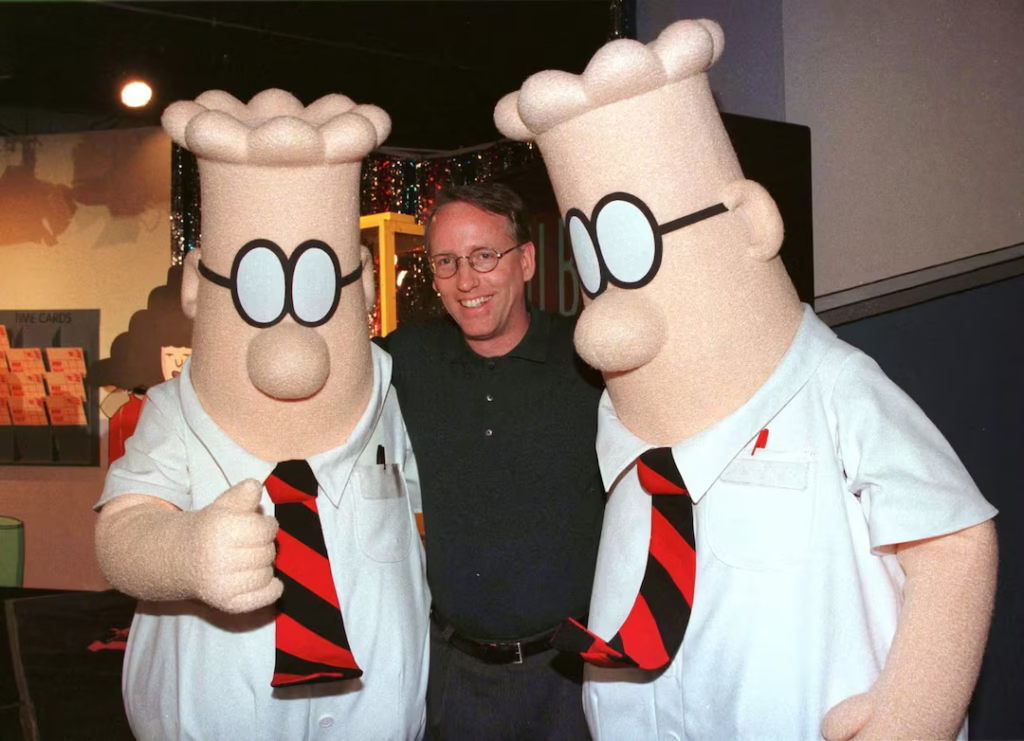
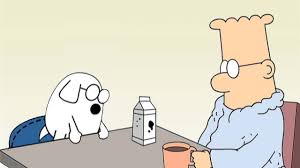
The name “Dilbert” came from a former boss, Mike Goodwin, and the cynical dog Dogbert was based on his family’s beagle, Lucy. After rejections from major outlets, the strip was syndicated in 1989. Adams incorporated reader feedback via email—a tech-savvy move in the pre-internet boom era—growing from 100 newspapers in 1991 to 2,000 in 57 countries by 2000.Quitting his day job in 1995, Adams became a full-time cartoonist. The strip spawned a 1999-2000 animated TV series (where he served as executive producer), winning a Primetime Emmy.
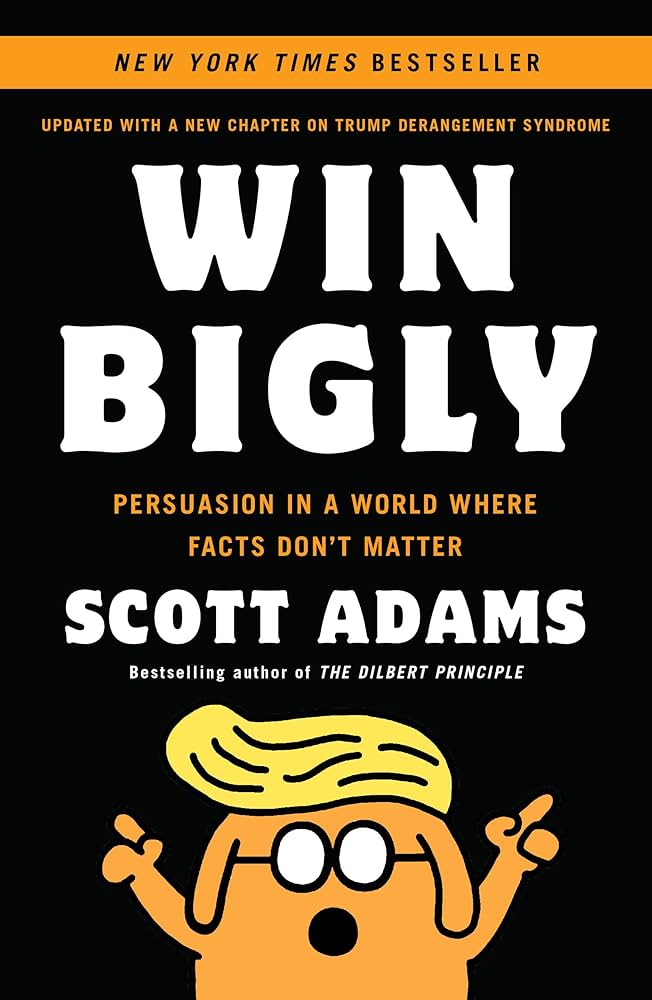
He authored bestsellers like “The Dilbert Principle” (1996), which posited that companies promote incompetent employees to management to limit damage. Other ventures included Scott Adams Foods (launching the vegetarian “Dilberito” in 2000, which flopped by 2003) and WhenHub (a 2019 app for expert consultations, inactive by 2024).In 2018, he launched the podcast “Real Coffee with Scott Adams,” amassing over 200,000 subscribers by late 2025. Health issues, including focal dystonia, forced him to stop drawing in November 2025, delegating artwork.
Why He Became Famous: Mastering Corporate Satire
Adams’ fame stemmed from “Dilbert’s” razor-sharp critique of office bureaucracy, pointy-haired bosses, and soul-crushing cubicles. Resonating deeply with tech and corporate workers, it captured the frustrations of the 9-to-5 grind.
Books like “Dogbert’s Top Secret Management Handbook” (1996) and awards, including the 1997 Reuben Award, cemented his status. At its peak, “Dilbert” was a cultural phenomenon, inspiring merchandise, animations, and even management consulting gigs where Adams pranked executives.
Top Life Events: Milestones and Setbacks
Top Life Events: Milestones and Setbacks
- 1989: Creates “Dilbert,” launching his cartooning career.
- 1995: Becomes full-time cartoonist as the strip hits 800 newspapers.
- 1997: Wins Reuben Award; impersonates consultant at Logitech.
- 1999: “Dilbert” TV series premieres; launches Dilberito.
- 2006: Marries Shelly Miles.
- 2016: Endorses Donald Trump, predicting his win.
- 2018: Launches podcast; stepson Justin dies of overdose.
- 2020: Marries Kristina Basham.
- 2022: Divorces Basham.
- 2023: Controversial comments lead to syndication cancellation; relaunches “Dilbert Reborn” on Locals.
- May 2025: Diagnoses with stage-four prostate cancer.
- January 13, 2026: Dies at home.
Love Life and Family: Marriages, Losses, and No Heirs
Adams married Shelly Miles in 2006 after meeting at a gym; he became stepfather to her children, Savannah and Justin. Justin tragically died of a fentanyl overdose in 2018 at age 18, an event Adams linked to societal failures in addressing troubled youth.
The couple divorced amicably in 2014 but remained friends—Miles announced his death.In 2020, Adams wed model Kristina Basham, who has two daughters and served as VP at WhenHub. Their marriage ended in divorce in 2022. Adams had no biological children. Shortly before his death, he announced plans to convert to Christianity for “pragmatic” reasons related to eternal salvation.
Net Wealth: A Fortune Built on Satire
At the time of his death, Adams’ net worth was estimated at $20 million, derived from syndication royalties, book sales (over 20 million copies), speaking fees, and various business ventures. Despite the 2023 cancellation, his online platforms sustained income.
Why Trump and Adams Were “Together”: A Shared Affinity for Persuasion
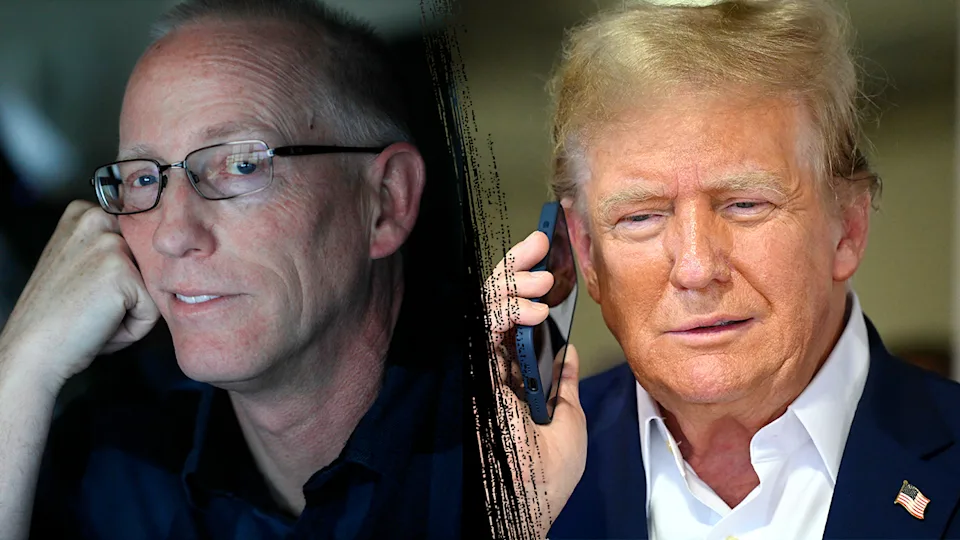
Adams’ association with Donald Trump began in 2015 when he predicted Trump’s presidential win with high certainty, praising his “persuasion” techniques over policy. A self-described libertarian, Adams endorsed Trump in 2016, citing concerns about societal shifts affecting male status. This support cost him income and friendships but aligned with his views on hypnosis and influence—skills he had trained in.
Trump retweeted Adams’ content on several occasions. In November 2025, amid cancer treatment, Adams sought help for access to a specific medication; the request drew public attention. Adams frequently made bold predictions and shared anti-vaccine and anti-mask stances that echoed certain political rhetoric.
Controversies: From Satire to Scandal
Adams’ legacy is marred by controversies. In 2023, on his podcast, he made inflammatory comments about race based on a poll, leading to “Dilbert” being dropped by over 1,000 newspapers and his publisher. He defended the remarks as hyperbole but relaunched the strip independently. Other issues included earlier statements questioning historical events, anti-vaccine claims, and insensitive social media posts during tragedies.
Legacy: A Double-Edged Sword in Tech and Culture
For technocrats and office dwellers, Adams immortalized the follies of corporate America, influencing how we view bureaucracy. His books on success, like “How to Fail at Almost Everything and Still Win Big” (2013), emphasized affirmations and systems over goals. Yet, his later shift to provocative commentary overshadowed his humor for many.Adams leaves a complex legacy: a satirist who became the satire. Pay it forward, as he urged.

Comments