
YTC Ventures | TECHNOCRAT MAGAZINE | www.ytcventures.com | by WAATRACK APP – World Water Experience
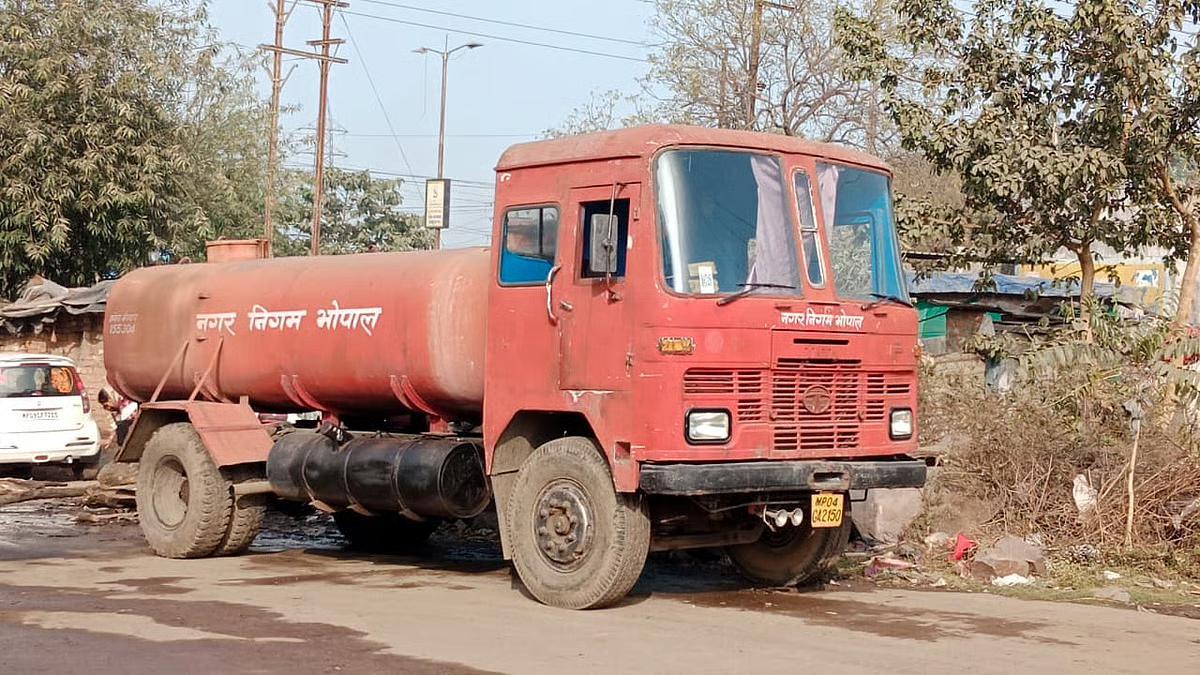
In early January 2026, India’s “cleanest city,” Indore, faced a devastating public health crisis when contaminated drinking water in the Bhagirathpura neighborhood caused a severe outbreak of waterborne diseases. What started as complaints of diarrhea, vomiting, and acute illness rapidly turned tragic, with reports of at least 10–16 confirmed deaths (including infants) and hundreds hospitalized.
Local families, mourning the loss of loved ones, have blamed sewage leakage into municipal water pipelines as the main cause. This heartbreaking incident has exposed serious weaknesses in urban water infrastructure, despite Indore’s repeated recognition for cleanliness and sanitation.
Unpacking the Causes: A System in Distress
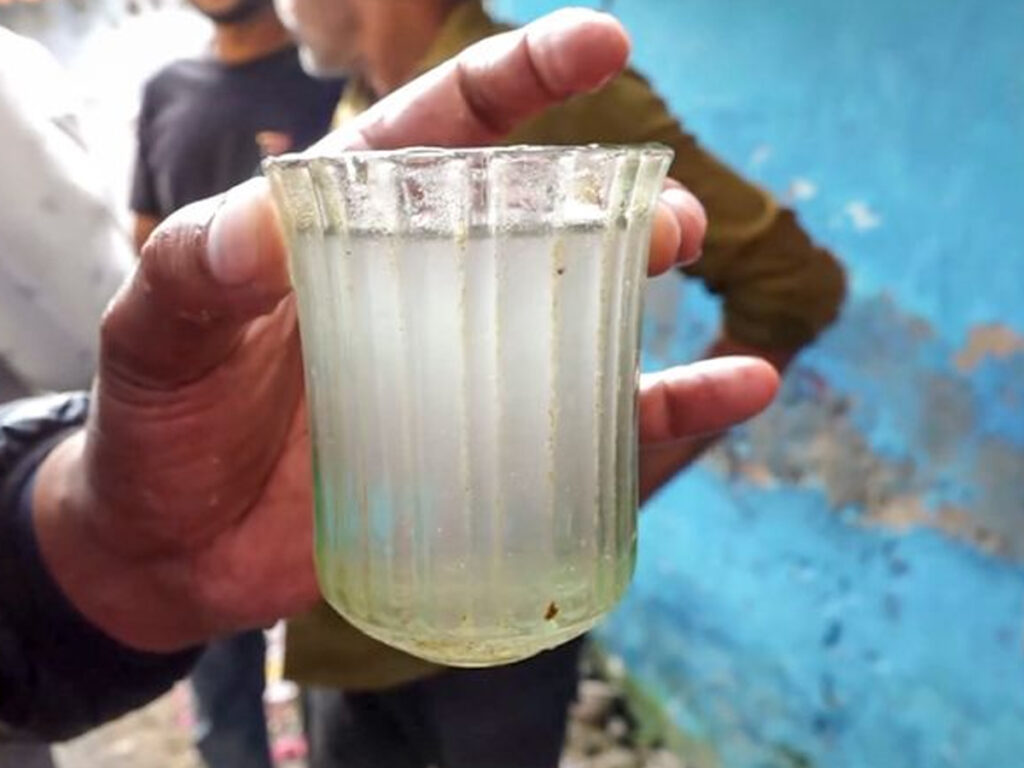
The Bhagirathpura crisis was triggered by contaminated tap water, with laboratory tests confirming the presence of harmful bacteria such as E. coli. Residents began falling ill soon after consuming the water, with over 200–1,400 people affected (depending on reports) and many requiring intensive care. Investigations pointed to aging and damaged pipelines — possibly compromised during nearby construction or due to a public toilet built above water lines — allowing sewage to mix with the drinking water supply from the Narmada River.
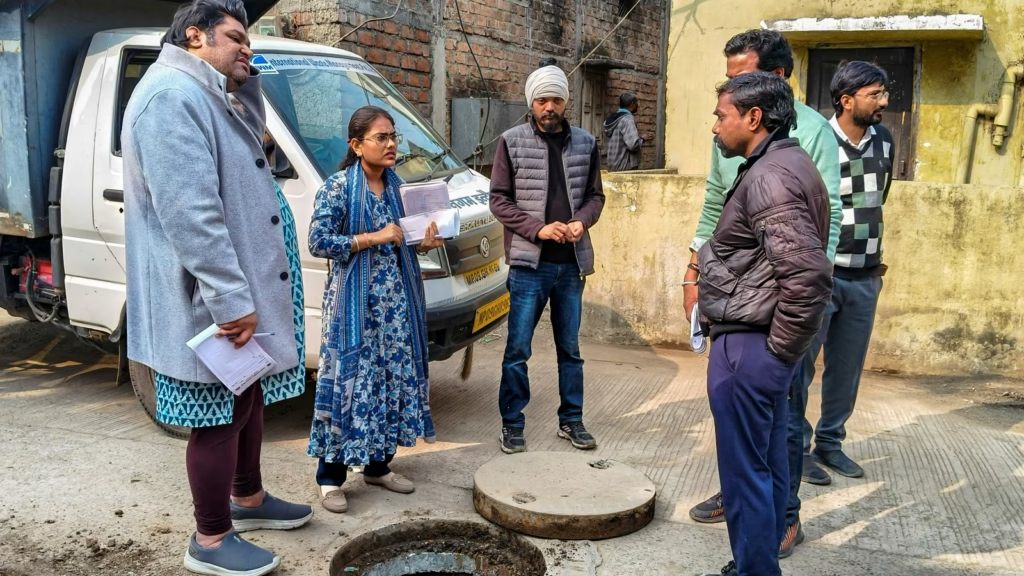
This is not an isolated failure. Waterborne diseases have long been a recurring problem in Madhya Pradesh’s urban areas, worsened by unspent funds, poor maintenance, and inadequate monitoring. Massive water losses — up to 70% in raw supply — due to inefficiencies in the Indore Municipal Corporation (IMC) have been highlighted in audits.
Water experts describe the situation as a preventable “man-made disaster” driven by systemic neglect.The tragedy has triggered strong political criticism, with opposition leaders accusing the state government of ignoring earlier warnings. In response, the Madhya Pradesh government removed the Indore Municipal Commissioner and suspended other officials, appointing a new IAS officer to take charge of immediate repairs and restoration.
Indore’s Water Management Spending: Promises vs. Reality
Over the past five years (2021–2025), the Indore Municipal Corporation has allocated substantial funds to water supply and sanitation, typically accounting for 25–30% of its annual budget. Major investments include pipeline upgrades, groundwater recharge projects, and sourcing from the Narmada River. Despite these large financial commitments, significant portions remain unutilized, pointing to serious gaps in planning, execution, and accountability. The Bhagirathpura tragedy has shown that money alone cannot solve the problem — effective implementation, real-time monitoring, and preventive maintenance are equally essential.
Water-Related Legislation in Madhya Pradesh
Madhya Pradesh has several laws and rules governing water supply, billing, taxation, and pollution control, including provisions for user charges, monthly billing with penalties, preservation of water sources, and pollution prevention. While these legal frameworks exist to ensure safe and equitable water delivery, weak enforcement and lack of regular monitoring have allowed preventable incidents like Bhagirathpura to occur.
Key Leaders in the State and Region
At the state level, Chief Minister Dr. Mohan Yadav (BJP) leads Madhya Pradesh and has overseen the official response to the crisis, including the transfer of senior municipal officials. Urban Development and Housing Minister Kailash Vijayvargiya is responsible for municipal governance and budget allocations, while Water Resources Minister Tulsi Silawat handles broader water infrastructure planning.
In Indore, MP Shankar Lalwani (BJP) represents the region in Parliament. Opposition leaders, including Madhya Pradesh Congress Chief Jitu Patwari and Leader of Opposition Umang Singhar, have visited affected families, demanded independent investigations, and criticized the state government’s handling of the situation.
How Innovative Tech Like WAATRACK Could Prevent Future Tragedies
In the aftermath of this crisis, technology-driven solutions are gaining attention as powerful tools for prevention. The WAATRACK App – World Water Experience stands out as a promising platform. This AI-powered, IoT-enabled system offers real-time monitoring of water quality, early detection of leaks and contamination risks, and digital tracking for efficient water delivery management.
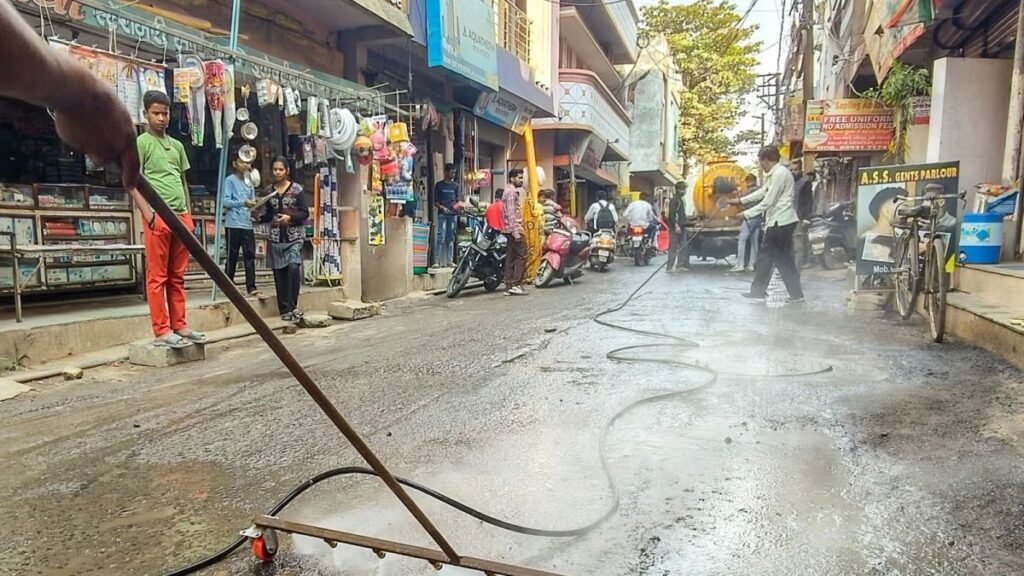
By integrating smart sensors, data analytics, and mobile alerts, WAATRACK can help authorities identify pipeline failures or contamination events before they become public health emergencies. Such technology could complement large-scale projects like the Narmada water supply scheme and help ensure that every household in Indore receives safe, reliable drinking water.
Investment Opportunity: Calling Seed Investors to Join WAATRACK – World Water Experience
The Indore tragedy underscores a massive, urgent market need: India faces chronic urban water crises, with billions lost annually to leaks, contamination, and inefficiency.
The global smart water management market, powered by IoT and AI, is projected to reach tens of billions by the early 2030s, with Asia-Pacific (including India) as one of the fastest-growing regions. Numerous Indian startups are already innovating in IoT-based water monitoring, leak detection, and asset management — proving strong demand and scalability.WAATRACK – World Water Experience is positioned at the forefront of this transformation. As an innovative, sustainable platform combining AI, IoT, and digital delivery, it addresses real-time quality tracking, contamination prevention, and efficient resource management — exactly the solutions needed to avert future Bhagirathpura-like disasters.This is a prime moment for seed investors to get in early:
- High Impact & Returns Potential — Invest in a mission-driven venture solving a critical national issue while tapping into a booming cleantech sector.
- Timely Relevance — Post-Indore crisis, government and municipal focus on smart water tech is intensifying, creating favorable policy tailwinds and pilot opportunities.
- Scalability — From urban utilities to industrial and residential applications, WAATRACK has multi-sector expansion potential across India and beyond.
- Competitive Edge — Early movers in AI-IoT water solutions are securing partnerships and funding; seed investment now positions backers for significant upside in future rounds.

If you’re a forward-thinking seed investor passionate about impact investing, cleantech, or sustainable infrastructure, WAATRACK offers a rare chance to back a game-changing solution at the ground level.
Contact investments@ytcventures.com
or Whats App + 91-9380376419
the team today to discuss this timely opportunity and help build a future where clean water is a reality for every Indian community.
Conclusion: A Call for Accountability and Innovation
The Bhagirathpura tragedy is a painful reminder that titles like “cleanest city” lose meaning when basic drinking water remains unsafe. With billions of rupees invested over the years and still poor outcomes, Madhya Pradesh must shift its focus from spending to real results — stronger enforcement, better transparency, faster repairs, and the adoption of modern monitoring technologies.
Leaders at both the state and local levels now face the urgent responsibility of rebuilding public trust. Solutions like the WAATRACK platform represent a forward-looking path toward a future where water crises are prevented rather than mourned. Ultimately, clean and safe water is not a luxury — it is a fundamental right that every citizen of Indore and Madhya Pradesh deserves.

Comments