
YTC Ventures | Technocrat’ Magazine | www.ytcventures.com
In the shadow of escalating global tensions, the Russia-Ukraine war remains a defining conflict of the 21st century. As we enter 2026, this article provides a comprehensive overview, blending historical timeline, strategic analysis, casualty figures, infrastructure damage, weapon inventories, advanced drone technology, AI applications, the recent alleged attack on Putin’s residence, and diplomatic efforts by the USA and India. With ongoing negotiations and technological shifts, understanding this war is crucial for grasping modern geopolitics.
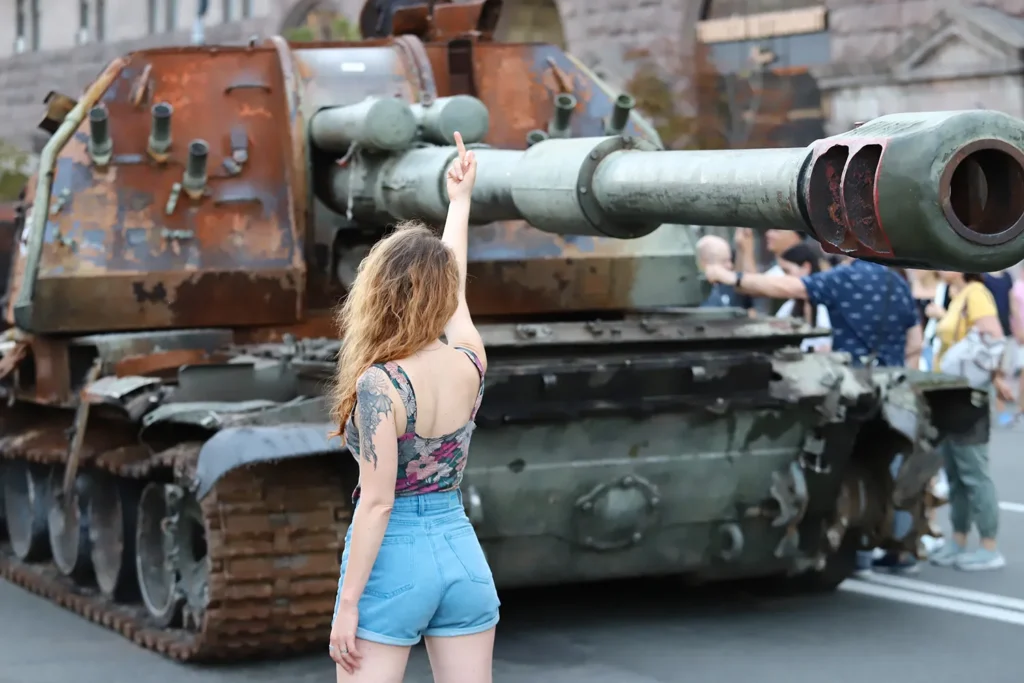
A Complete History of the Russia-Ukraine War
The roots of the conflict trace back to 2014, when Russia annexed Crimea following Ukraine’s Euromaidan Revolution, which ousted pro-Russian President Viktor Yanukovych. This sparked separatist uprisings in Donetsk and Luhansk, leading to the Minsk Agreements in 2014-2015, which aimed for ceasefires but largely failed.The full-scale invasion began on February 24, 2022, with Russian forces advancing from multiple fronts, citing “denazification” and “demilitarization” as goals. Early gains included capturing Kherson and parts of Kharkiv, but Ukrainian resistance, bolstered by Western aid, repelled assaults on Kyiv.
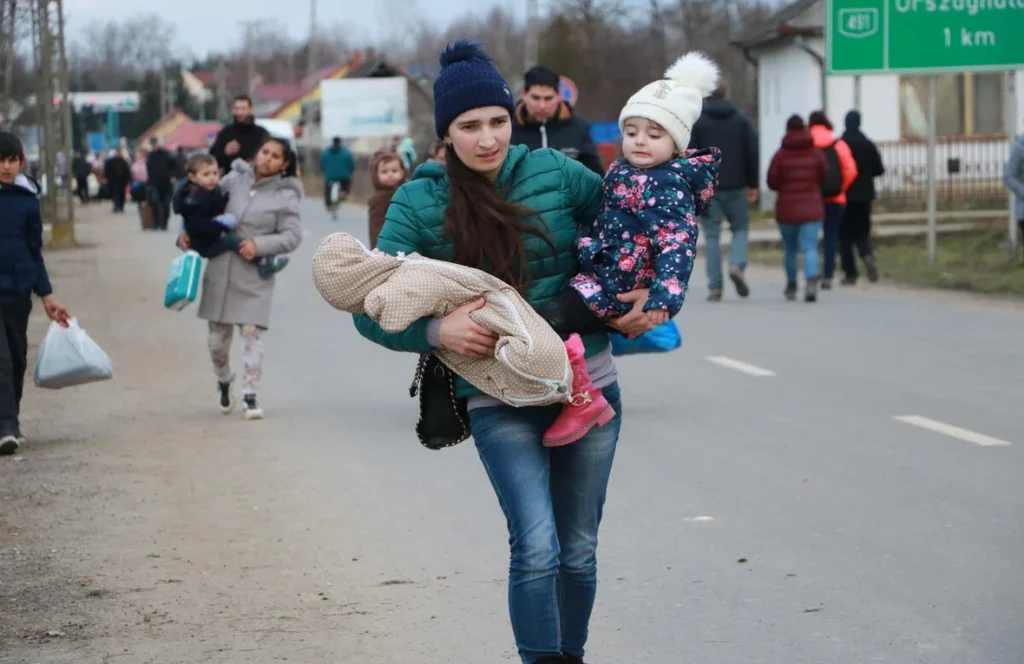
By mid-2022, Ukraine launched counteroffensives, reclaiming Kherson in November.2023 saw stalemates in Bakhmut and Avdiivka, with heavy attrition. In 2024, Russia intensified attacks on energy infrastructure, while Ukraine struck deep into Russian territory using drones. Entering 2025, Russia advanced in Donbas, capturing Pokrovsk, but faced setbacks from Ukrainian incursions into Kursk.As of January 2026, Russia controls about 20% of Ukraine, including Crimea and parts of four eastern regions. The war has evolved into a high-tech attrition battle, with drones and AI playing pivotal roles.
In-Depth Analysis: Agendas and Strategic Dynamics
Russia’s stated agenda includes protecting Russian-speaking populations, preventing NATO expansion, and achieving “denazification, demilitarization, and neutral status” for Ukraine.

Putin has reiterated that these goals will be met “by force if necessary,” emphasizing buffer zones and territorial control.Ukraine seeks full territorial restoration, including Crimea, and NATO/EU integration for security.
The conflict reflects broader East-West divides, with energy resources, Black Sea access, and global influence at stake. Economically, Russia faces sanctions but sustains through oil exports, while Ukraine relies on aid amid massive reconstruction needs.
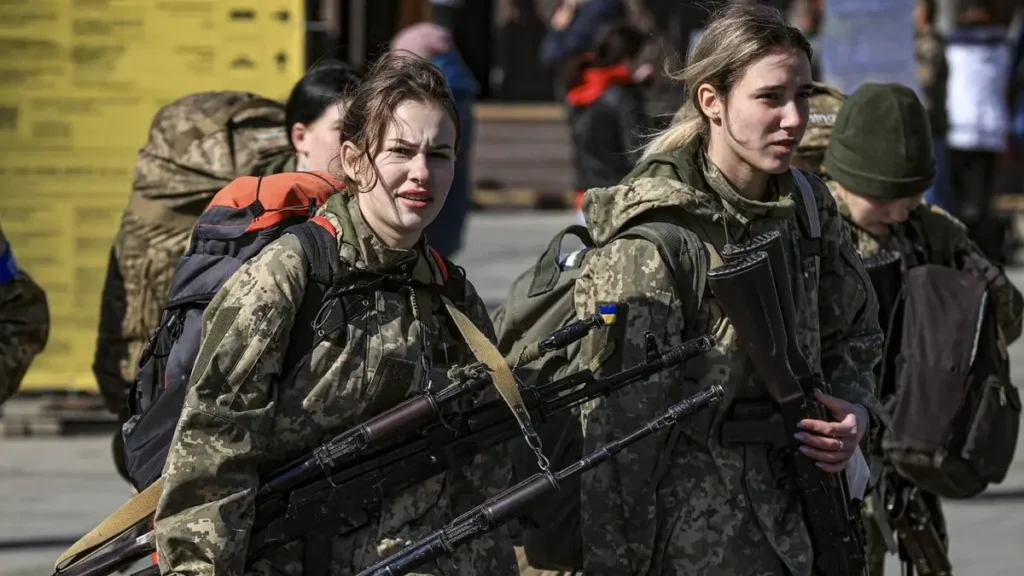
Casualties, Weapons Usage, and Infrastructure Destruction
The war’s human and material toll is staggering. Estimates vary due to underreporting, but as of late 2025:
| Category | Russia | Ukraine | Total/Notes |
|---|---|---|---|
| Military Killed/Injured | ~1.2 million losses (including 240,000 KIA) | 60,000-100,000 KIA | ~1-1.5 million combined |
| Civilian Deaths | Limited data | ~13,883 | Primarily in Ukraine; excludes occupied areas |
| Weapons Used (Key Estimates) | 3,000+ tanks lost, 4,780 artillery pieces held | Various Western-supplied | Russia: High attrition; Ukraine: Reliant on aid |
| Infrastructure Destroyed | N/A | Housing: $57.6B damage; Energy: $30B rebuild; Total recovery: $524B | Environmental damage $43B |
These figures highlight the war’s asymmetry: Russia’s manpower advantages versus Ukraine’s technological edge from allies.
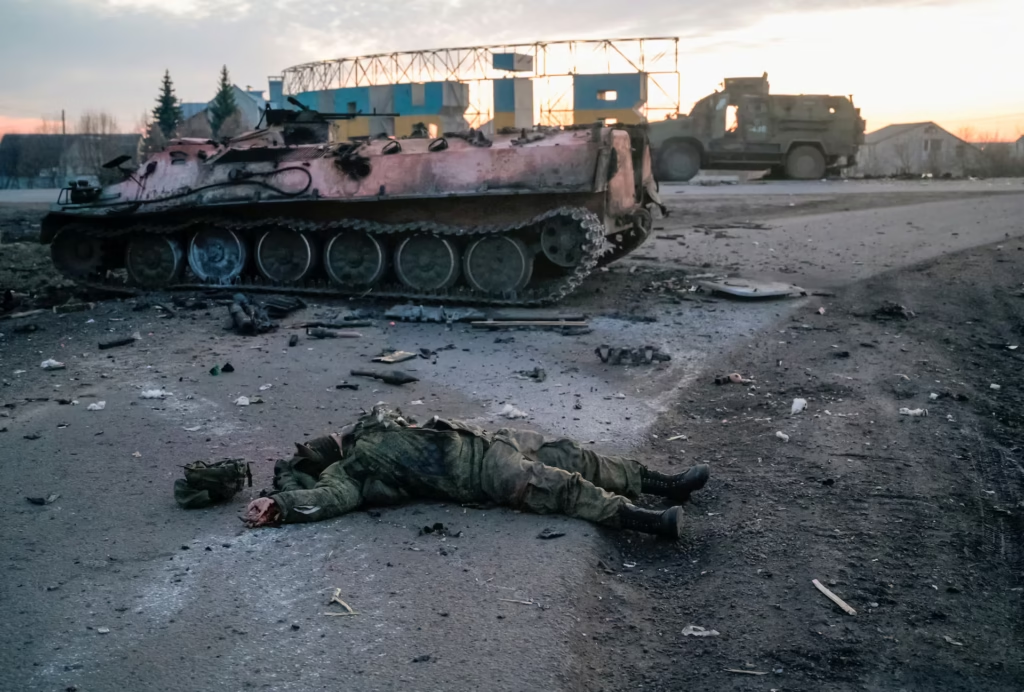
Types of Weapons Used in the Russia-Ukraine War
Both sides employ a mix of Soviet-era and modern weaponry. Key categories include:
- Artillery and Missiles: Russia uses Iskander ballistic missiles and Grad MLRS; Ukraine counters with HIMARS and ATACMS.
- Tanks and Armor: T-72/T-90 (Russia), Leopard 2/M1 Abrams (Ukraine via aid).
- Infantry Weapons: AK-74 rifles, PKM machine guns, Javelin anti-tank missiles.
- Air Assets: Su-34 bombers (Russia), Bayraktar TB2 drones (Ukraine).
- Naval: Kalibr cruise missiles; Ukraine’s Neptune missiles sank the Moskva.
Ukraine’s arsenal is 50% domestically produced by 2026, focusing on long-range systems.
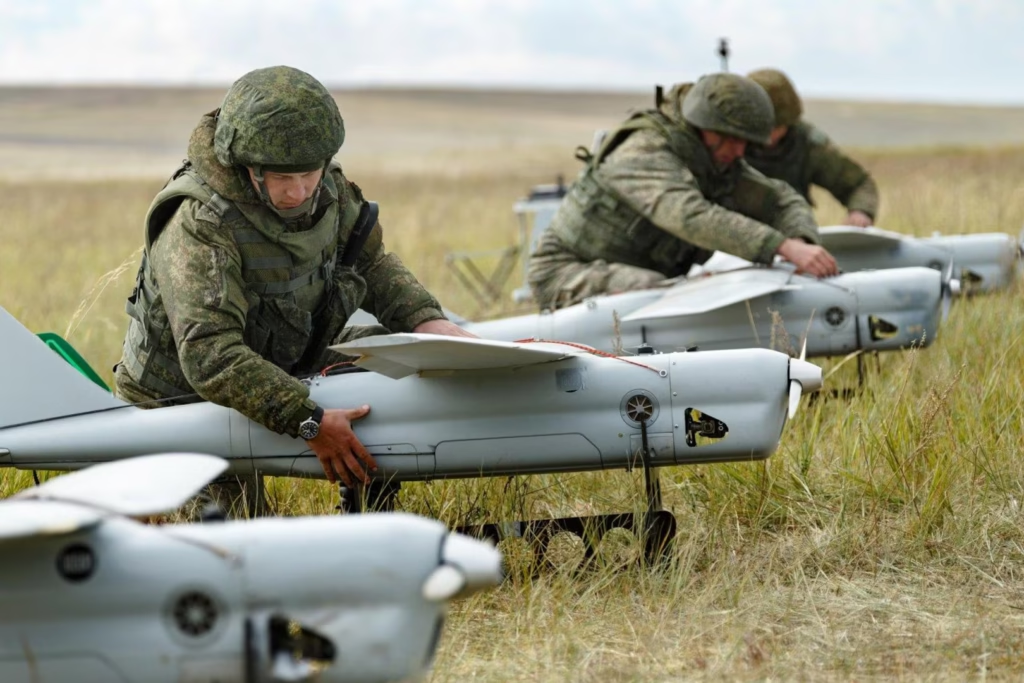
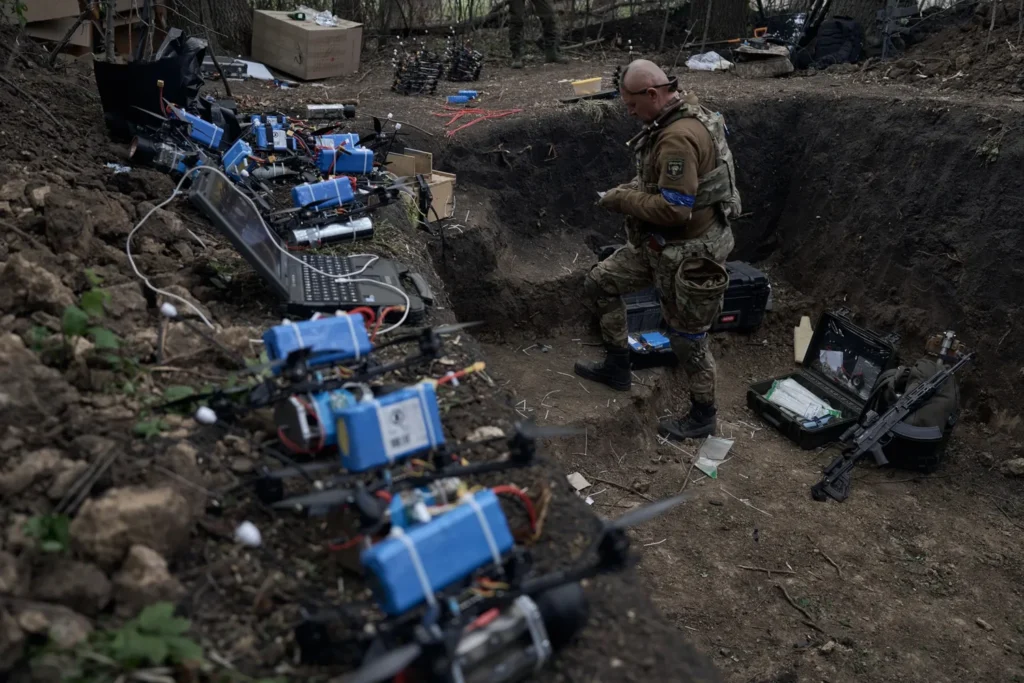
Drone Technology in the Ukraine War: A Game-Changer
Drones have revolutionized the battlefield, accounting for 60-70% of losses.
Ukraine produces 200 strike drones daily.
| Drone Type | Usage | Impact | Examples |
|---|---|---|---|
| FPV (First-Person View) | Precision strikes on vehicles/personnel | High attrition; fiber-optic variants evade jamming | Homemade FPV UAS; 60-70% of Russian losses |
| OWA (One-Way Attack) | Kamikaze missions | Deep strikes; cost-effective | Vyriy-10; Shahed-136 (Russia) |
| Reconnaissance | Surveillance, targeting | Battlefield awareness | Commercial/military hybrids; Bayraktar TB2 |
| Interceptor | Anti-drone defense | Counters swarms | AI-integrated; defends against Shaheds |
Ukraine’s artisanal innovation contrasts Russia’s industrial scale.

AI in the Russia-Ukraine War: Emerging Applications
AI enhances targeting, disinformation, and decision-making.
| AI Application | Usage | Impact | Examples |
|---|---|---|---|
| Target Recognition | Integrates with drones/satellites | Precise strikes | Ukraine’s algorithmic warfare; object detection |
| Predictive Analytics | Battlefield decisions | Reduces casualties | Digital models for planning |
| Information Warfare | Deepfakes, disinformation | Erodes morale | Russia’s AI-generated propaganda |
| Autonomous Systems | Drone swarms | Escalates autonomy | Interceptor drones; software-defined warfare |
The Alleged Attack on Putin’s Palace
On December 29, 2025, Russia claimed Ukraine launched 91 drones at Putin’s Novo-Ogaryovo residence (near Moscow, often misreported as Novgorod). All were intercepted, per Moscow, but Kyiv denied involvement, calling it a “fabrication” to derail peace talks. Allies like the US and EU question the claims, suggesting a false flag.
This incident, post-Trump-Zelensky meeting, threatens diplomacy.
USA and India Actions to End the War
USA: Provided massive aid, including weapons. Diplomatically, Trump pushes a multi-point peace plan, including ceasefires and recovery funds. Recent calls with Putin aim for resolution.India: Maintains neutrality, buying Russian oil while urging dialogue.
PM Modi has hosted Putin and plans to engage Zelensky, leveraging ties for peace. India focuses on balanced diplomacy.
Exit Plans: Pathways to Resolution
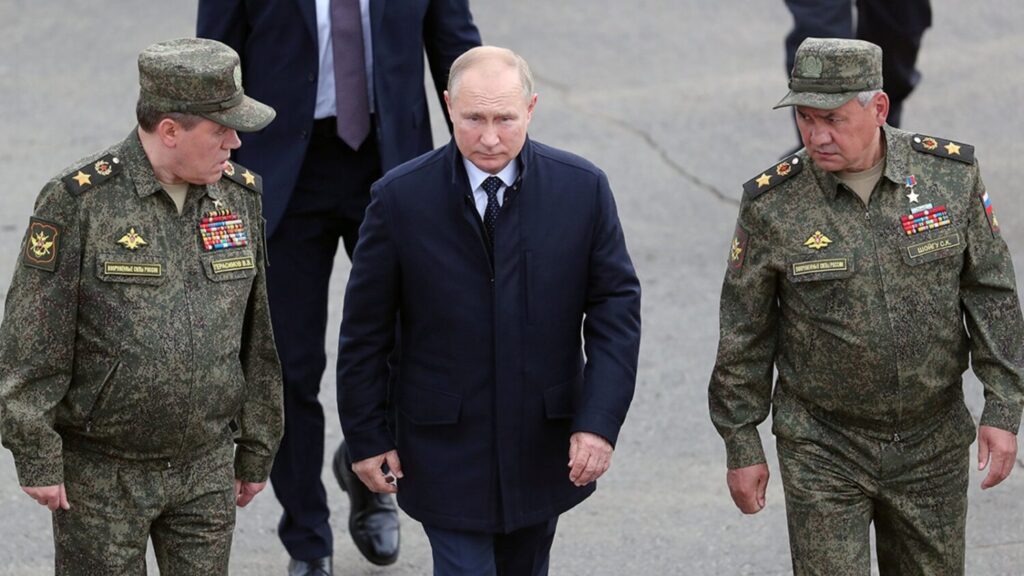
Peace remains elusive. Plans include Russian withdrawals, security guarantees, and no immediate NATO for Ukraine. Zelensky sees progress, but territory remains key. Putin insists on goals met; war likely continues into 2026 without concessions.
In conclusion, the Russia-Ukraine war exemplifies hybrid warfare’s future. As diplomacy intensifies, global stakeholders must prioritize de-escalation.
#RussiaUkraineWar #UkraineWar2026 #DroneWarfare #AIinConflict #PutinAttack #USAPeacePlan #IndiaDiplomacy #WarCasualties #ModernWeapons

Comments