
YTC Ventures | Technocrat’ Magazine | www.ytcventures.com
The MedTech sector in India is undergoing a significant renaissance, driven by a combination of demographic shifts, government policies, technological innovations, and increasing global integration. As of 2025, the industry is valued at approximately $12-14 billion, having grown at a compounded annual growth rate (CAGR) of around 15% over the past few years.
Projections indicate it will expand to $50 billion by 2030, capturing 10-12% of the global market share, up from the current 1-2%. This growth is fueled by India’s large population (over 1.4 billion), rising middle-class incomes, and a shift toward chronic disease management, which heightens demand for diagnostics, implants, and consumables.
Key trends shaping the sector include:
- AI and Digital Integration: Adoption of AI-powered diagnostics, robotics, and telemedicine is accelerating, with tools like clinical AI enhancing precision and efficiency. Advancements in cybersecurity and regulatory frameworks are addressing data privacy concerns in connected devices.
- Government Initiatives: The National Medical Devices Policy 2023 targets at least 15% annual growth through 2030, supported by schemes like Production Linked Incentives (PLI) for manufacturing and export promotion. This has reduced import dependency (currently 70-80%) and positioned India as a manufacturing hub.
- Market Expansion and Exports: India’s MedTech exports are rising, with opportunities in Asia-Pacific (APAC) markets. The sector’s focus on affordable innovations, such as low-cost diagnostics, aligns with global needs, potentially boosting exports to $10-15 billion by 2030.
- Challenges and Opportunities: While regulatory hurdles and skill gaps persist, international collaborations are opening doors. The diagnostic equipment segment alone is expected to reach $6-7 billion by 2030.
Overall, India’s MedTech scope is expansive, with Bengaluru emerging as a key innovation hub due to its tech ecosystem, attracting startups and R&D investments.
Resources Required to Manage a MedTech Company in India Based in Bengaluru
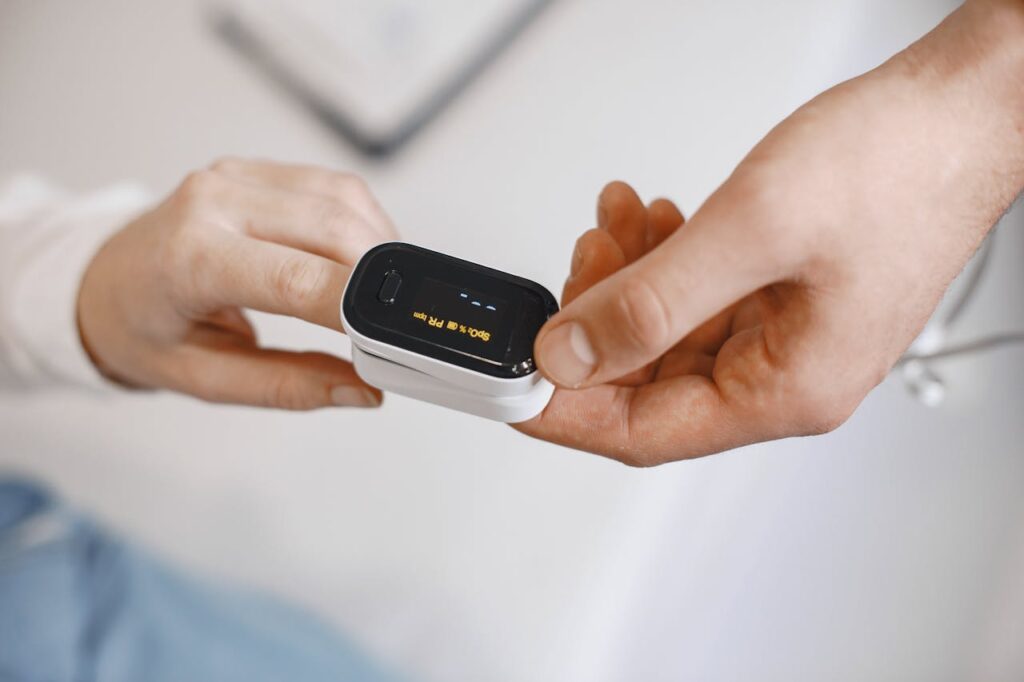
Managing a MedTech company in India, particularly in Bengaluru (a hub for tech and biotech talent), demands a mix of financial, human, infrastructural, and regulatory resources. Bengaluru’s ecosystem offers advantages like access to skilled engineers and proximity to research institutions, but compliance with national regulations is critical.Key resources include:
- Financial Resources: Substantial capital for R&D, equipment procurement, and scaling operations. Initial investments often cover infrastructure setup and certifications, with funding potentially sourced from venture capital, government grants (e.g., PLI schemes), or loans. Scaling may require $5-20 million depending on the company’s focus (e.g., devices vs. diagnostics).
- Human Resources: A specialized workforce is essential, including biomedical engineers, regulatory experts, quality control analysts, and sales teams. Bengaluru’s talent pool from institutions like IISc and biotech firms helps, but training in MedTech-specific skills (e.g., ISO standards) is needed. Hiring 20-50 employees initially for R&D and operations is common.
- Infrastructural Resources: Manufacturing facilities compliant with Good Manufacturing Practices (GMP), clean rooms for device assembly, and testing labs. Bengaluru’s industrial parks (e.g., Electronics City) provide cost-effective spaces, but expect costs for equipment like 3D printers or sterilization units.
- Regulatory and Legal Resources: Compliance with the Drugs & Cosmetics Act 1940 and Medical Devices Rules 2017 via the Central Drugs Standard Control Organisation (CDSCO). Non-local companies need a local authorized agent for registrations. Licenses (e.g., Form MD-26 for manufacturing) and certifications like ISO 13485 are crucial, often requiring consultants. Public-Private Partnerships (PPPs) can aid in infrastructure.
- Other Resources: Supply chain for raw materials (e.g., electronics from local suppliers), marketing for domestic/export markets, and IP protection. Risk management includes insurance for product liability.
Bengaluru-specific perks include lower operational costs compared to Mumbai or Delhi, but companies must navigate local taxes and labor laws.
Role of B.Pharm Students/Resources in MedTech
Yes, B.Pharm (Bachelor of Pharmacy) graduates and resources can be important players in the MedTech industry in India. While MedTech focuses on devices and diagnostics, it often intersects with pharmaceuticals in areas like drug-device combinations (e.g., inhalers or stents with coatings), making B.Pharm expertise valuable.Key roles include:
- Quality Control and Assurance: Ensuring device safety and compliance, leveraging knowledge of pharmacology and manufacturing standards.
- Regulatory Affairs: Handling CDSCO approvals, clinical trials, and pharmacovigilance for MedTech products with pharma elements.
- R&D and Innovation: Contributing to biotech-MedTech hybrids, such as biosensors or personalized medicine devices. They can work in drug discovery processes integrated with devices.
- Clinical and Sales Roles: As clinical pharmacists or medical representatives, promoting MedTech products in hospitals.
- Entrepreneurship: Starting health tech ventures, like telepharmacy or AI-driven drug-device apps.
In India, with the sector’s growth, B.Pharm graduates (over 100,000 annually) fill gaps in interdisciplinary teams, especially in Bengaluru’s startup scene. Further education (e.g., M.Pharm or biotech certifications) enhances their impact.

Growth Potential of a MedTech Company
The growth potential for a MedTech company in India is substantial, with the sector projected to grow at a 15-20% CAGR, reaching $50 billion by 2030. Factors driving this include rising healthcare expenditure (India’s overall healthcare market to hit $320 billion by FY2028), government support for manufacturing (reducing imports to <50%), and export opportunities to APAC markets.
A well-positioned company could achieve 20-30% annual revenue growth through innovations like AI diagnostics or affordable implants, tapping into domestic demand (e.g., diagnostics growing to $6 billion) and global exports ($10-15 billion target). Risks like regulatory delays exist, but Bengaluru-based firms benefit from tech synergies, potentially scaling via acquisitions or IPOs.
Top MedTech Companies in Bengaluru and Funding Raised
Based on available data from HealthTech/MedTech ecosystems in Bengaluru (noting MedTech as a subset focusing on devices/diagnostics), here’s a table of prominent companies with their total funding raised so far.
Funding figures are aggregated from equity rounds as of late 2025.
Note: Some are broader HealthTech but with strong MedTech components (e.g., diagnostics platforms).
| Company Name | Focus Area | Total Funding Raised | Key Notes |
|---|---|---|---|
| CureFit | Fitness and wellness tech (with MedTech integrations) | $674.6M | Includes health coaching and delivery tech. |
| MediBuddy | Digital healthcare platform (inpatient/outpatient services) | $218.5M | Strong in MedTech for wellness and diagnostics. |
| HealthifyMe | AI-driven health and nutrition tech | $100.1M | MedTech overlap in personalized diagnostics. |
| mfine | Telemedicine and proactive healthcare | $97.6M | Includes AI diagnostics and device integrations. |
| Orange Health | Home-based diagnostics and lab services | $47.1M (estimated from sector trends) | Fast-growing MedTech for real-time testing. |
Total HealthTech funding in Bengaluru reached $77M in 2025 across 31 rounds, down from prior years but indicating sustained interest. Companies like SigTuple (AI diagnostics, ~$40M) and Forus Health (eye devices, ~$20M) are also notable but lack updated funding specifics in recent data.

Use Case of Medical Tourism in Bengaluru
Medical tourism in Bengaluru exemplifies affordable, high-quality healthcare combined with tech-driven efficiency, attracting patients from the Middle East, Africa, and Europe. A primary use case is elective surgeries and specialized treatments, such as cardiac procedures, orthopedics, or oncology, where costs are 60-80% lower than in the U.S. or U.K. (e.g., a heart bypass at $7,000 vs. $100,000 abroad). Patients benefit from end-to-end services: visa assistance, airport transfers, multilingual support, and post-op care at hospitals like Manipal or Aster.
Another use case is wellness and alternative medicine, integrating Ayurveda, yoga, and modern diagnostics for chronic conditions or preventive health. Benefits include seamless logistics via destination management companies, access to JCI-accredited facilities, and tourism add-ons (e.g., visiting tech hubs or heritage sites). This boosts local economy, with Bengaluru’s medical hub model (e.g., PPP resorts) enhancing recovery experiences. Risks like cultural adjustments are mitigated by organized facilitators.

Comments