
Build Sustainable Cities. Generate Renewable Energy. Create Circular Economies.
Waste 2 Energy Solutions by YTC Ventures
Transforming Municipal Waste into Sustainable Energy
“Waste 2 Energy Solutions” by YTC Ventures is a dedicated initiative focused on supporting governments, municipalities, urban local bodies, industrial zones, smart cities, and public-private infrastructure projects in converting waste into renewable energy and sustainable economic value.
As cities and regions continue to face increasing pressure from waste accumulation, landfill saturation, pollution, and rising energy demand, Waste 2 Energy projects provide an integrated solution that combines environmental sustainability, clean energy generation, circular economy models, and long-term infrastructure development.
YTC Ventures works with technology providers, investors, infrastructure developers, engineering consultants, environmental experts, and project operators to support the planning, structuring, funding, and execution of Waste 2 Energy projects across India and global markets.

Our Focus Areas
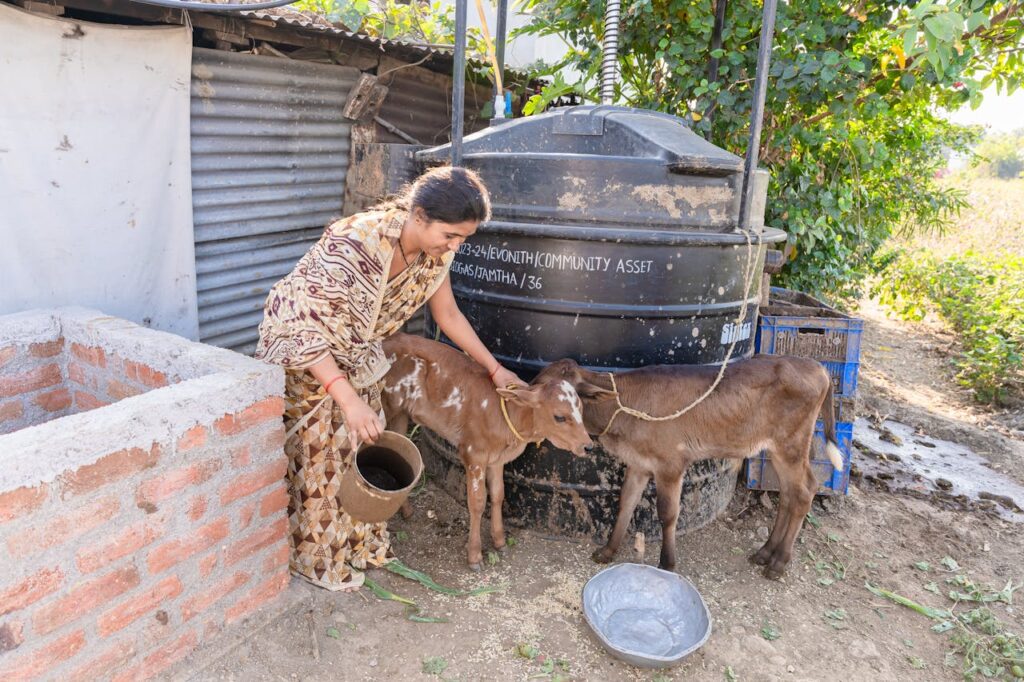
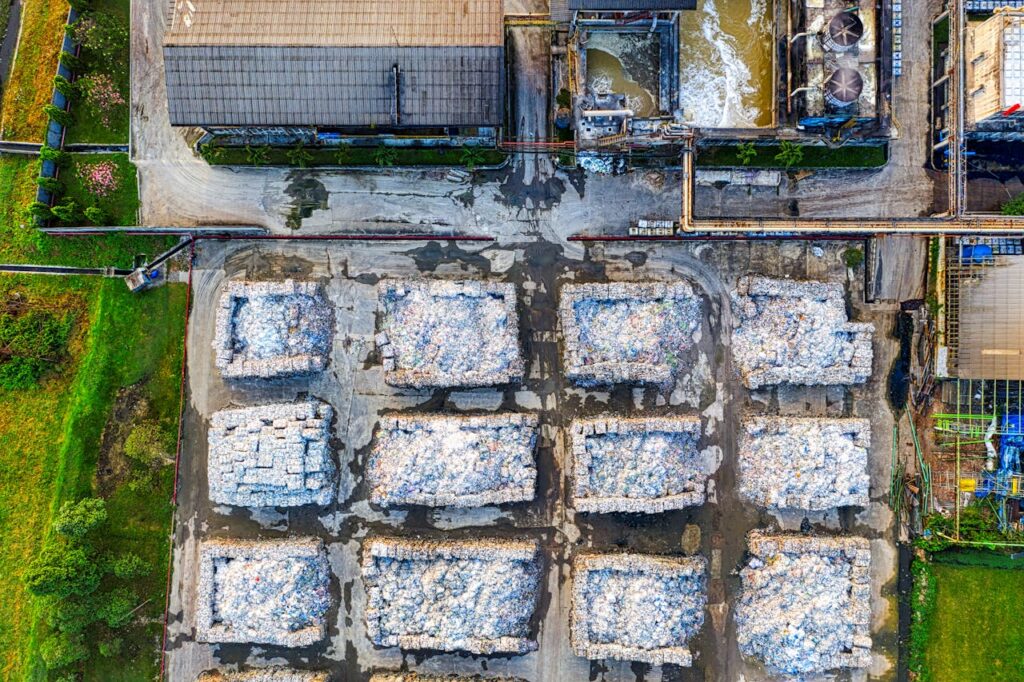
| Municipal Solid Waste (MSW) to Energy Conversion of municipal waste into electricity, heat, RDF fuel, biofuels, and other energy outputs through advanced waste processing technologies. | Biomass & Agricultural Waste Energy Projects Agricultural waste, crop residue, biomass waste, and organic materials can be converted into energy solutions including biogas, compressed biogas (CBG), electricity, and industrial fuel. |
| Key Benefits of Municipal Solid Waste (MSW) to Energy + Reduction in landfill dependency + Lower environmental pollution + Renewable energy generation + Smart city infrastructure support + Sustainable urban waste management + Employment generation + Carbon footprint reduction | Applications of Biomass & Agricultural Waste Energy Projects + Rural energy projects + Agro-industrial clusters + District energy systems + Industrial fuel replacement + Bio-CNG generation + Sustainable farming ecosystems |
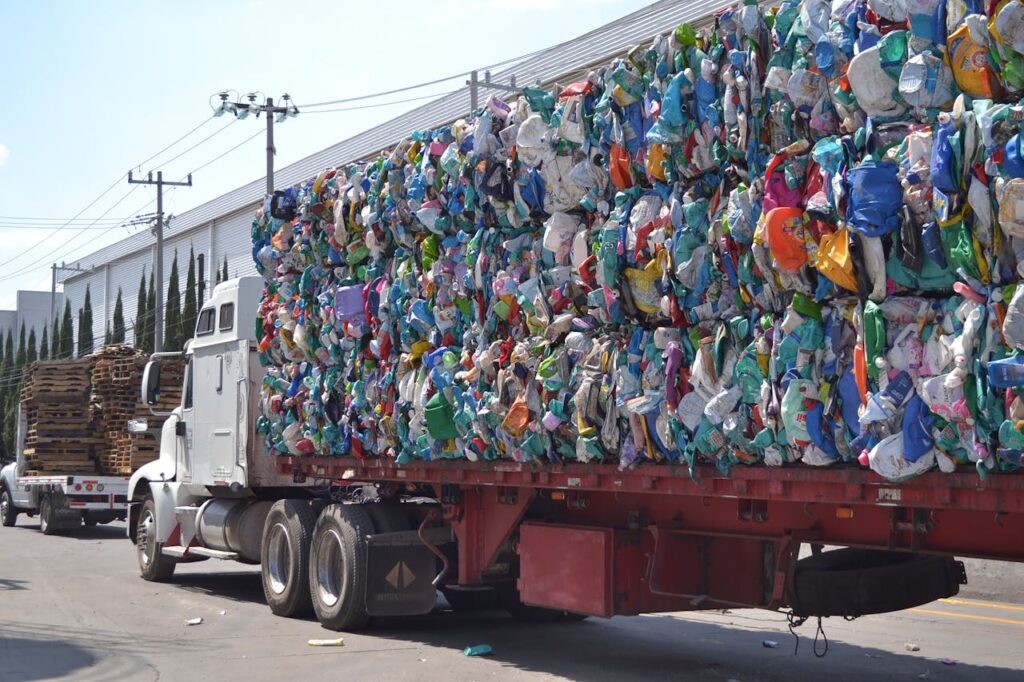
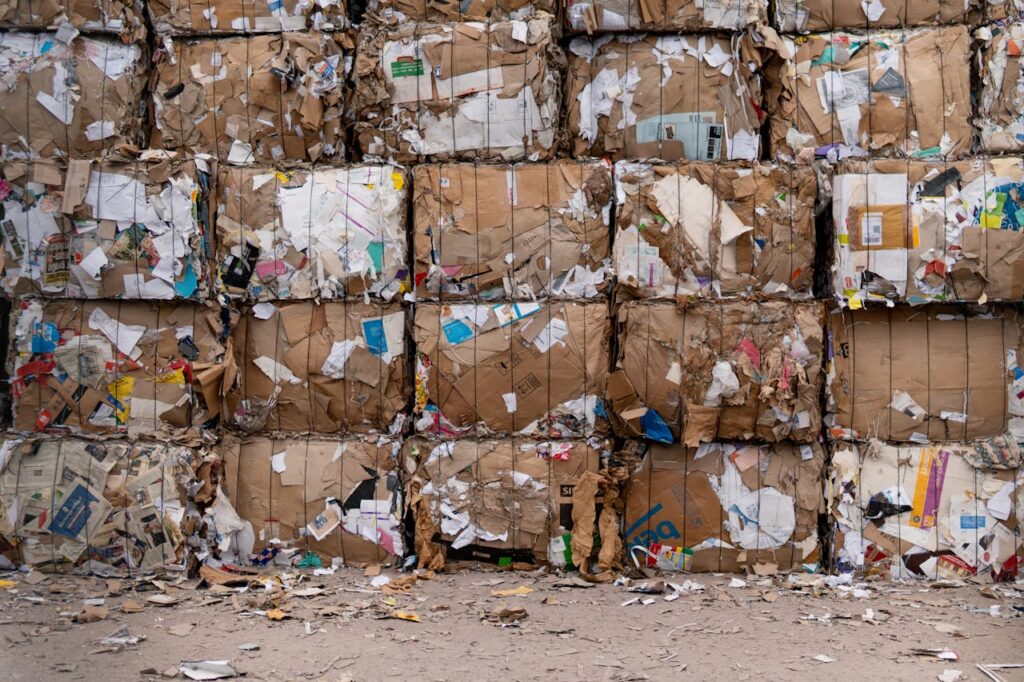
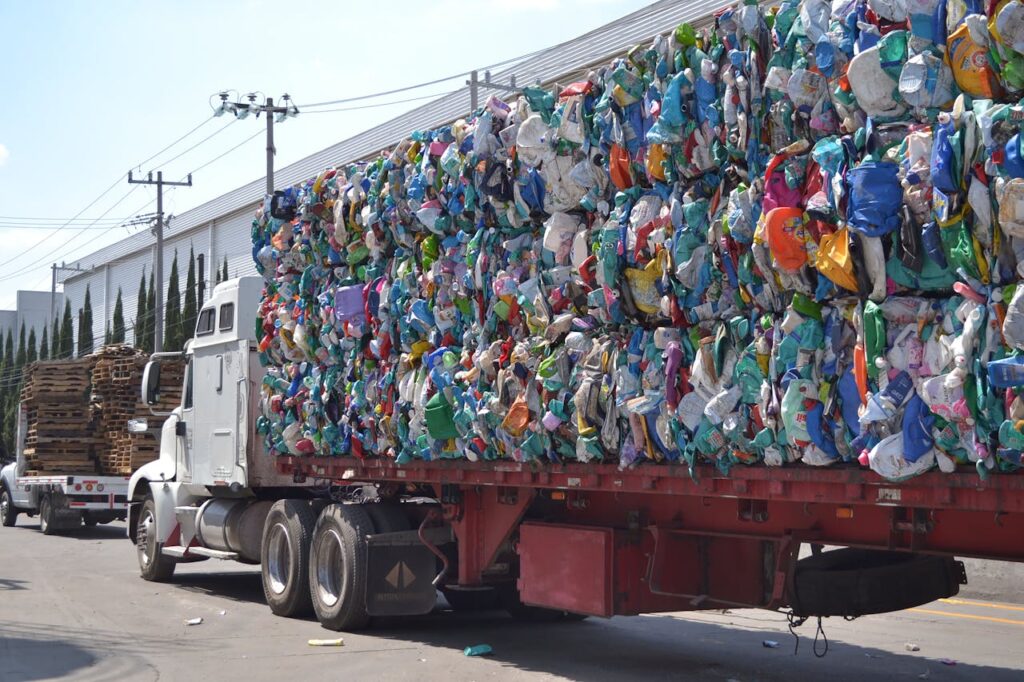
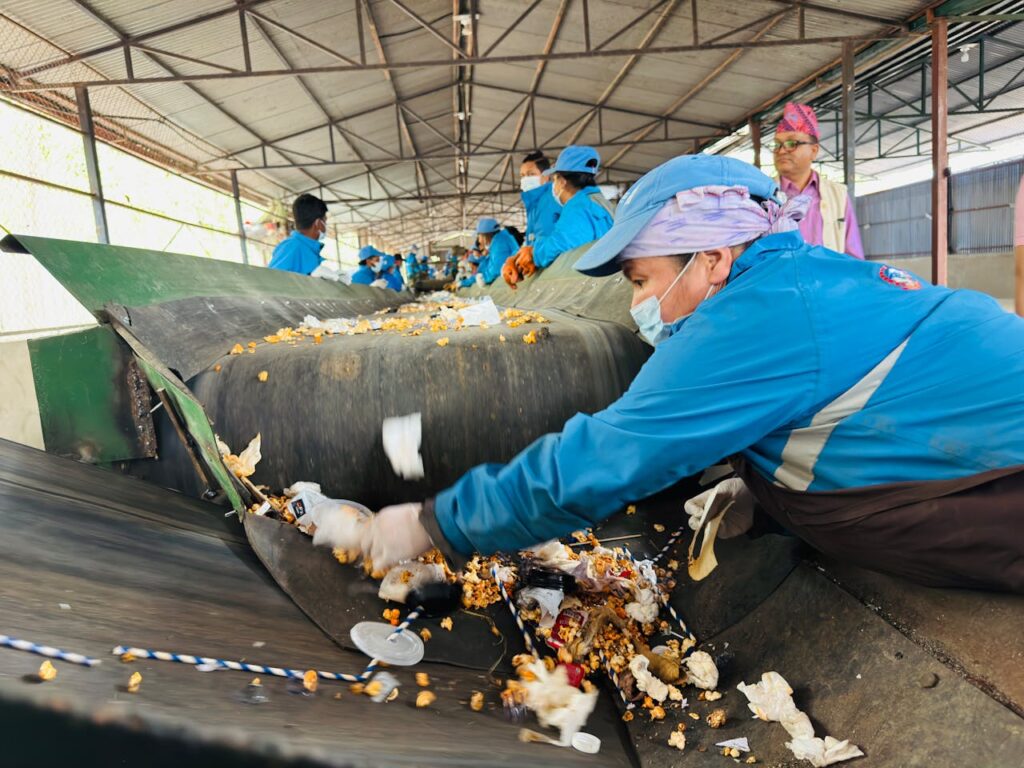
| Industrial Waste to Energy Solutions Industries generate significant quantities of recyclable and combustible waste streams that can be converted into usable energy. Target Industries + Manufacturing + Textile + Food Processing + Chemical Industries + Pharma Industries + FMCG Production Units + Industrial Parks & SEZs | Waste Segregation & Smart Processing Systems Integrated waste management begins with efficient segregation, collection, recycling, and processing systems. Solutions Include + Smart waste collection systems + AI-enabled waste sorting + Recycling infrastructure + Organic waste processing + RDF production systems + Composting facilities + Integrated waste management plants |
Waste 2 Energy Technologies
YTC Ventures collaborates with technology partners and infrastructure developers across multiple Waste 2 Energy technologies.
Incineration Systems
Incineration Systems are advanced Waste 2 Energy technologies designed to thermally process municipal, industrial, and combustible waste materials at high temperatures, significantly reducing waste volume while generating usable energy in the form of electricity and heat. Modern incineration plants incorporate sophisticated emission control systems, pollution management technologies, and energy recovery infrastructure to ensure environmentally compliant operations aligned with global sustainability standards. These systems help governments and municipalities reduce landfill dependency, improve urban sanitation, manage large-scale waste generation efficiently, and support renewable energy objectives as part of integrated smart city and circular economy initiatives.
Gasification Technology
Gasification Technology is an advanced Waste 2 Energy process that converts organic and carbon-based waste materials into a combustible synthetic gas (syngas) through high-temperature processing in a low-oxygen environment. This technology enables the efficient conversion of municipal waste, biomass, industrial waste, and agricultural residue into clean energy, electricity, hydrogen, and industrial fuel applications while significantly reducing landfill burden and environmental impact. Gasification systems are increasingly being adopted by governments and infrastructure developers due to their higher energy efficiency, lower emissions profile, modular scalability, and ability to support sustainable urban infrastructure, renewable energy transition, and circular economy development.
Pyrolysis Plants
Pyrolysis Plants are innovative Waste 2 Energy systems that convert plastic waste, biomass, tires, industrial waste, and other organic materials into valuable products such as fuel oil, syngas, carbon black, and energy through high-temperature thermal decomposition in the absence of oxygen. These plants play a critical role in reducing non-recyclable waste accumulation while supporting circular economy initiatives and sustainable resource recovery. Governments, municipalities, and industrial sectors are increasingly exploring pyrolysis technology as an environmentally focused solution for waste reduction, alternative fuel generation, and long-term sustainable infrastructure development aligned with renewable energy and ESG objectives.
Anaerobic Digestion
Anaerobic Digestion is a sustainable biological Waste 2 Energy process that converts organic waste materials such as food waste, agricultural residue, animal waste, sewage sludge, and biodegradable municipal waste into biogas and nutrient-rich organic fertilizer in an oxygen-free environment. The generated biogas can be utilized for electricity generation, heating applications, Bio-CNG production, and renewable fuel solutions, making it an efficient and environmentally responsible energy alternative. Anaerobic digestion systems support governments, municipalities, and agro-industrial sectors in reducing landfill waste, lowering greenhouse gas emissions, improving sanitation infrastructure, and advancing circular economy and renewable energy goals through sustainable waste management practices.
Biomethanation Plants
Biomethanation Plants are specialized Waste 2 Energy facilities that process biodegradable organic waste such as food waste, agricultural residue, animal waste, sewage sludge, and municipal organic waste to generate methane-rich biogas through controlled biological decomposition. The produced biogas can be utilized for electricity generation, industrial fuel applications, cooking gas, and Bio-CNG production, while the residual digestate can be converted into high-quality organic fertilizer. Biomethanation infrastructure supports governments, municipalities, and industrial sectors in reducing landfill dependency, lowering greenhouse gas emissions, improving waste management efficiency, and advancing renewable energy and sustainable agriculture initiatives.
Refuse Derived Fuel (RDF)
Refuse Derived Fuel (RDF) is a sustainable fuel solution created by processing combustible municipal and industrial waste materials such as plastics, paper, textiles, packaging waste, and other non-biodegradable components into high-calorific fuel products. RDF is widely used as an alternative fuel source in cement plants, industrial boilers, thermal power plants, and energy-intensive industries, helping reduce fossil fuel dependency and landfill waste accumulation. Governments and urban infrastructure authorities increasingly adopt RDF systems as part of integrated solid waste management strategies aimed at improving waste recovery efficiency, supporting circular economy development, and reducing environmental pollution.
Plasma Gasification
Plasma Gasification is an advanced high-temperature Waste 2 Energy technology that utilizes plasma torches to convert hazardous waste, municipal solid waste, industrial waste, biomass, and other carbon-based materials into synthetic gas (syngas) and vitrified slag with minimal environmental impact. Operating at extremely high temperatures, plasma gasification enables near-complete waste destruction while significantly reducing toxic emissions and landfill dependency compared to conventional waste processing systems. This futuristic technology is being explored globally by governments, smart city projects, and advanced infrastructure developers seeking highly efficient, environmentally sustainable, and scalable solutions for complex waste management and renewable energy generation.
Biogas & Bio-CNG Systems
Biogas & Bio-CNG Systems are renewable energy solutions designed to convert organic and biodegradable waste materials into clean gaseous fuel through anaerobic digestion and gas purification technologies. Biogas can be utilized for electricity generation, heating applications, and industrial energy use, while upgraded Bio-CNG serves as a sustainable transportation fuel alternative to conventional fossil fuels. These systems support governments, municipalities, agricultural sectors, and industrial facilities in reducing waste accumulation, lowering carbon emissions, promoting energy independence, and strengthening sustainable mobility and clean energy infrastructure initiatives.
Waste Heat Recovery Systems
Waste Heat Recovery Systems are energy efficiency technologies that capture and reuse excess heat generated from industrial operations, power generation facilities, manufacturing plants, and Waste 2 Energy infrastructure to produce additional electricity, heating, or cooling applications. By converting otherwise wasted thermal energy into usable power, these systems improve operational efficiency, reduce energy consumption, lower greenhouse gas emissions, and support sustainable industrial infrastructure development. Governments and industries are increasingly investing in waste heat recovery technologies as part of broader energy optimization, decarbonization, and ESG-driven sustainability initiatives.
Hybrid Renewable Infrastructure
Hybrid Renewable Infrastructure combines multiple clean energy technologies such as solar power, wind energy, Waste 2 Energy systems, biomass energy, battery storage, hydrogen systems, and smart grid technologies into an integrated and optimized energy ecosystem. This approach enhances energy reliability, operational efficiency, grid stability, and long-term sustainability while reducing dependency on conventional fossil fuels. Governments, smart cities, industrial zones, and infrastructure developers are increasingly adopting hybrid renewable systems to create resilient, future-ready energy infrastructure capable of supporting sustainable urban development, climate action goals, and large-scale renewable energy transition strategies.
Advanced Wave-Based Water Purification Systems
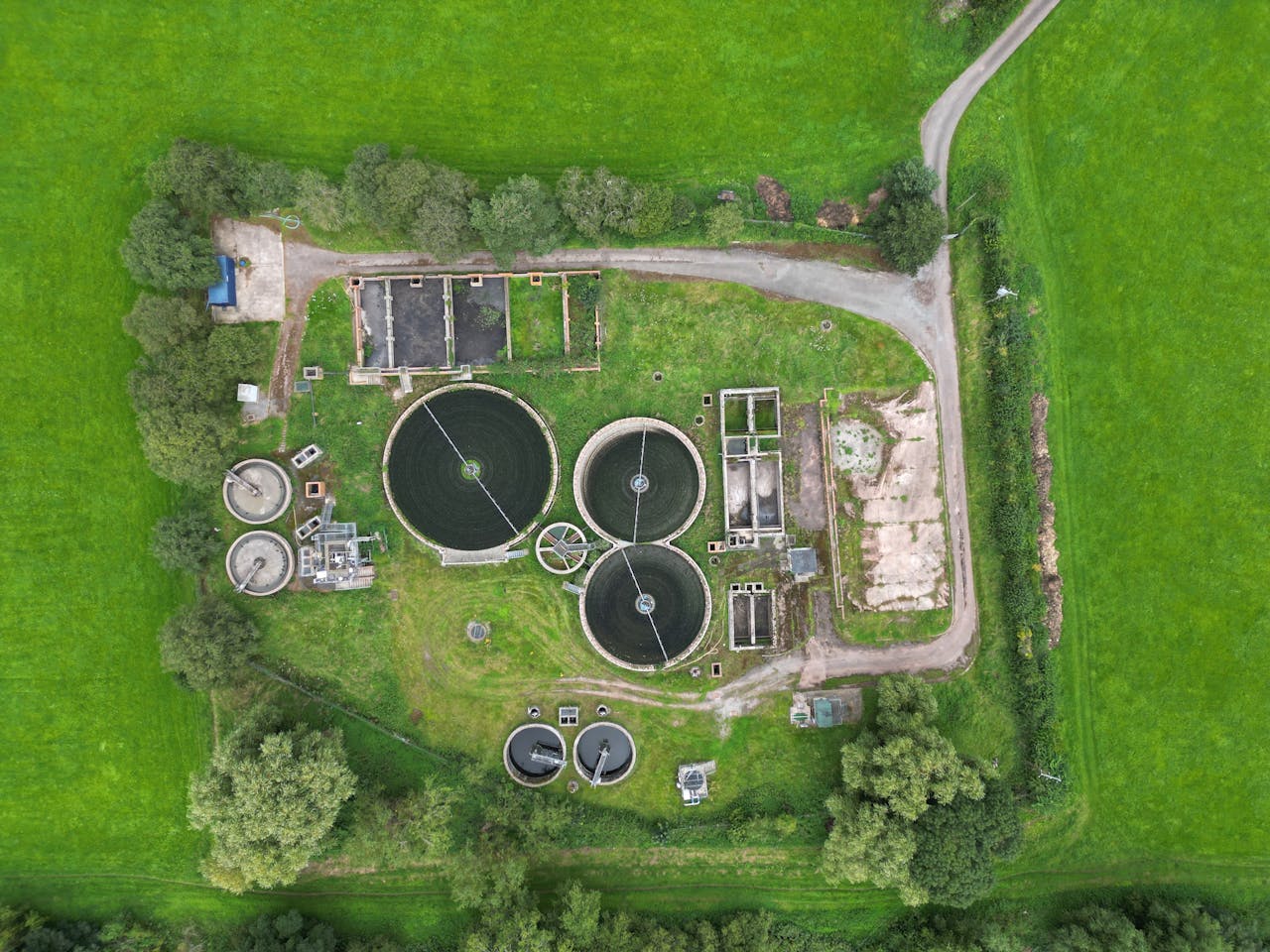
Advanced Wave-Based Water Purification Systems are next-generation clean technology solutions currently being explored in research laboratories and pilot infrastructure environments for large-scale wastewater treatment and water recovery. These systems utilize ultrasonic waves, electromagnetic wave frequencies, nanotechnology-assisted filtration, plasma-assisted purification, and advanced oxidation processes to remove contaminants, pathogens, heavy metals, microplastics, and industrial pollutants from water sources with higher efficiency and lower chemical dependency. Future-ready governments, smart cities, industrial clusters, and sustainability-focused infrastructure developers are increasingly monitoring these technologies as part of long-term clean water security, circular water economy, and climate-resilient urban infrastructure strategies.
AI-Powered Autonomous Circular Resource Recovery Systems
AI-Powered Autonomous Circular Resource Recovery Systems represent futuristic smart infrastructure platforms designed to combine artificial intelligence, robotics, IoT sensors, automated waste segregation, material recovery, carbon tracking, and renewable energy integration into a fully connected waste management ecosystem. These next-generation systems aim to maximize resource recovery, reduce landfill dependency, optimize recycling efficiency, and convert waste streams into usable energy, industrial raw materials, clean water, and sustainable fuels through intelligent automation and real-time infrastructure monitoring. Currently being developed across advanced research labs and innovation ecosystems globally, these technologies are expected to become a core component of future smart cities, climate-tech infrastructure, and circular economy development initiatives.