
YTC Ventures | TECHNOCRAT MAGAZINE | www.ytcventures.com
21 May 2026
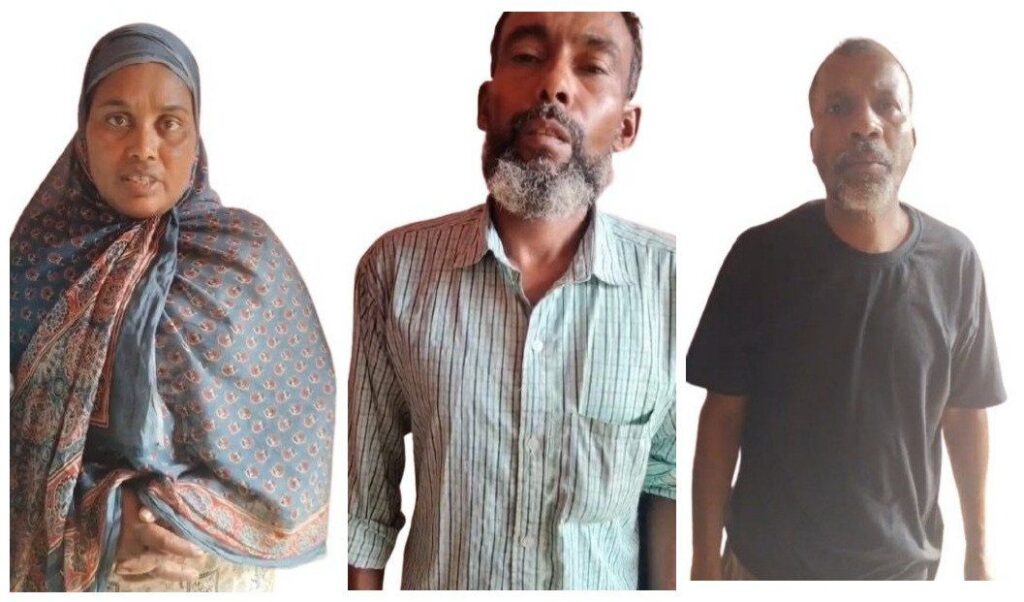
In a stark reminder of vulnerabilities in India’s identity ecosystem, three Bangladeshi nationals were arrested while attempting to return home after obtaining fake Aadhaar cards in Bengaluru. The case highlights a thriving underground network that enables illegal immigrants to secure Indian documents, access welfare schemes, bank accounts, and even loans — often for as little as a few thousand rupees.
The Bengaluru-Tripura Link
Acting on a tip-off, police in Tripura’s Dharmanagar detained the trio from a dense forest area near the India-Bangladesh border.
The individuals had illegally entered India around six months earlier with the help of a broker, travelled to Bengaluru for work, procured fake Aadhaar cards, lived there for several months, and were intercepted while trying to cross back into Bangladesh.
How the Trio Dodged the System
The three — Mahi Uddin (27) from Brahmanbaria district, Md. Nur Alam (47), and Raihan Mia (20) from Narsingdi district — exploited multiple weaknesses in the system:
- They crossed the porous Tripura border with assistance from local agents/brokers.
- Shortly after entry, they moved to Bengaluru, a major urban hub offering job opportunities in construction, services, and informal sectors where scrutiny is often lower.
- Through middlemen and corrupt enrollment channels, they obtained Aadhaar cards for approximately ₹5,000 each. This allowed them to establish a seemingly legitimate presence, rent accommodation, seek employment, and blend into the local population.
- They lived undetected for months before deciding to return, only to be caught near the border.
This modus operandi mirrors larger rackets where fake or fraudulently acquired documents are issued using weak verification, introducers, or corrupt agents at Aadhaar centers.
Once equipped with Aadhaar, individuals can easily obtain PAN cards, bank accounts, and other benefits, making detection extremely difficult.
Scale of the Hidden Foreign Nationals Crisis
Reliable central data remains limited due to the clandestine nature of such migration. Historical estimates from government statements and analyses include:
| Source/Year | Estimated Illegal Bangladeshi Immigrants in India | Key Notes |
|---|---|---|
| 2004 (MoS Home) | ~12 million | Significant concentration in West Bengal |
| 2016 (MoS Home) | ~20 million | Widely referenced figure |
| 2001 Census (Bangladesh-born) | ~3.08 million | Legal and illegal combined |
| Various Reports (2010s-2025) | 10–20 million | Spread to urban centers like Bengaluru, Delhi, Mumbai |
Urban hubs like Bengaluru have become attractive destinations due to economic opportunities and established forgery networks.
Other undocumented foreign nationals add to the overall challenge.
National Security and Socio-Economic Implications
Illegal immigration strains public resources, affects local demographics, and poses security risks. Forged Aadhaar enables access to subsidies, jobs in sensitive sectors, financial services, and potentially misuse for anti-national activities.
While states are intensifying deportation drives and document verification, gaps in border management and identity verification persist.
What Citizens Can Do: Be Vigilant, Report Responsibly
Every citizen plays a role in safeguarding national integrity.
Here’s how to act:
- Verify Suspicious Activity: Note indicators such as poor command of local languages, inconsistent background stories, or groups acquiring multiple IDs rapidly without clear long-term residency proof.
- Report Safely and Officially:
- Contact local police station or use emergency number 100/112.
- Reach out to the Bureau of Immigration or nearest Foreigners Regional Registration Office (FRRO).
- Use state police apps, MyGov portals, or dedicated helplines for anonymous tips.
- In border areas, inform Border Security Force (BSF) or local authorities.
- Do’s and Don’ts:
- Provide specific, verifiable details like locations, vehicle numbers, or addresses.
- Avoid personal confrontations, harassment, or spreading unverified claims to prevent legal complications and protect genuine citizens.
Authorities stress that all reports must undergo proper verification.
The Road Ahead
Cases like this underscore the need for stronger tech solutions: AI-driven anomaly detection in Aadhaar systems, mandatory biometric audits, stricter accountability for enrollment agents, and enhanced border surveillance. Coordinated “Detect, Delete, Deport” strategies alongside diplomatic efforts for repatriation are essential.As India advances its digital and development goals, securing the identity infrastructure remains critical. Responsible citizenship and vigilant reporting will strengthen these efforts.
Technocrat Magazine calls for transparent data, robust enforcement, and technology-led reforms. Stay informed. Report responsibly. Secure the nation.

Comments