
YTC Ventures | TECHNOCRAT MAGAZINE | www.ytcventures.com
19 May 2026
The global energy transition is rapidly accelerating toward cleaner, more sustainable industrial ecosystems. At the center of this transformation lies one of the fastest-growing infrastructure sectors in the world — the Waste-to-Energy (WTE) industry.
As governments, industries, municipalities, and investors search for scalable solutions to rising landfill pressures, carbon emissions, and fossil fuel dependency, waste-to-energy infrastructure is emerging as a critical pillar of the circular economy revolution.
From end-of-life tyres and plastic waste to agricultural residue and municipal organic waste, advanced thermochemical conversion technologies are now capable of transforming discarded materials into valuable clean fuels, syngas, recovered carbon products, renewable energy, and industrial feedstocks.
This transition is no longer viewed merely as a waste management solution. It is now becoming a multi-billion-dollar global investment opportunity across renewable energy infrastructure, sustainable industrial materials, carbon reduction systems, and alternative fuel ecosystems.
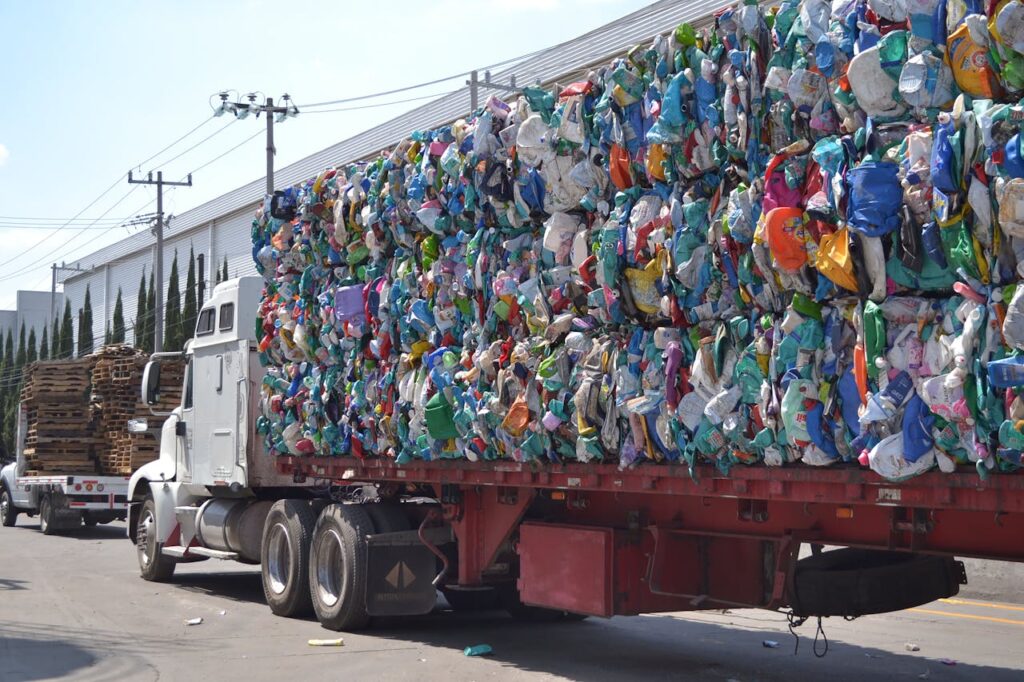
The Global Waste-to-Energy Market Size is Expanding Rapidly
The global Waste-to-Energy market is witnessing extraordinary expansion as nations intensify efforts to reduce landfill dependency and transition toward low-carbon industrial economies.
Industry estimates suggest that the global waste-to-energy market is currently valued between USD 42 Billion and USD 51 Billion in 2025, with long-term projections indicating the sector could surpass USD 90–100 Billion globally over the next decade depending on deployment scale and technology adoption rates.
The sector is being driven by several powerful macroeconomic and environmental trends:
- Rapid urbanization and increasing municipal waste generation
- Escalating landfill management costs
- Stringent environmental regulations
- Growing demand for renewable and alternative fuels
- Global ESG investment mandates
- Industrial decarbonization targets
- Circular economy policy frameworks
- Carbon reduction and net-zero commitments
- Sustainable infrastructure investment flows
The United States, Europe, China, India, and the Middle East are expected to become major long-term growth markets for advanced waste conversion infrastructure and sustainable fuel ecosystems.
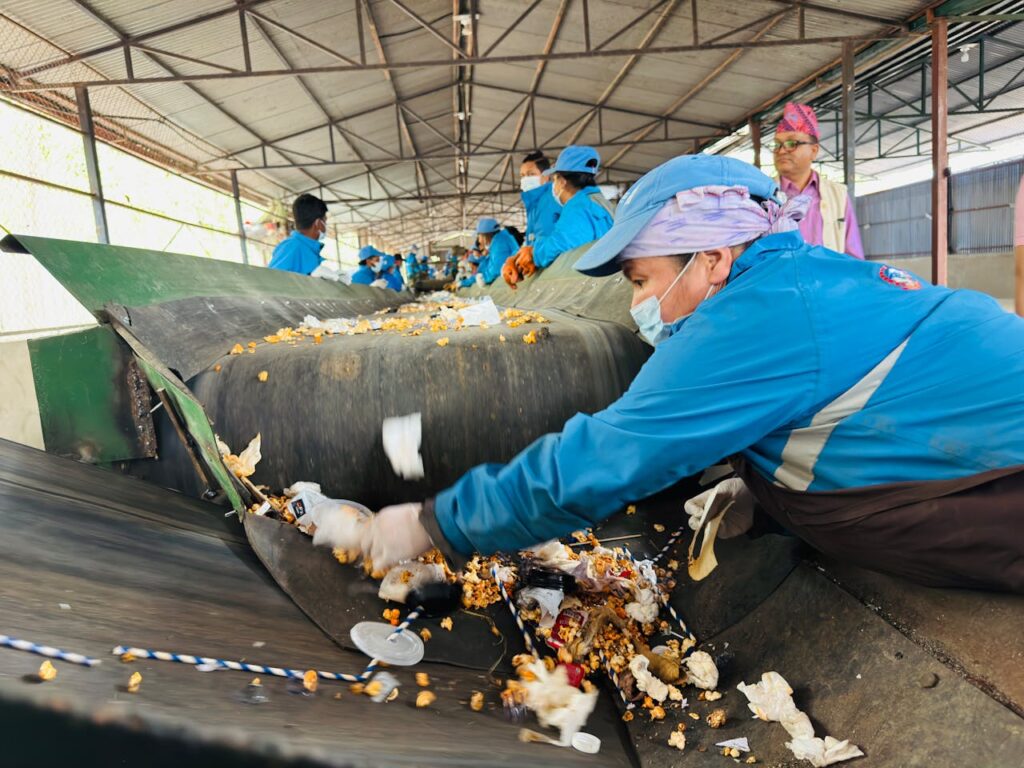
What is Waste-to-Energy Infrastructure?
Waste-to-Energy infrastructure refers to industrial systems capable of converting waste materials into usable energy, fuel products, or industrial raw materials through advanced processing technologies.
Modern waste-to-energy systems can process:
- Scrap tyres
- Plastic waste
- Organic municipal waste
- Agricultural biomass
- Industrial waste streams
- Sewage sludge
- Mixed municipal solid waste
The outputs generated from these systems include:
- Pyrolysis oil
- Syngas
- Electricity
- Steam energy
- Biofuels
- Recovered carbon black
- Industrial carbon products
- Renewable heat energy
This creates a circular industrial ecosystem where waste streams are converted into revenue-generating assets rather than environmental liabilities.
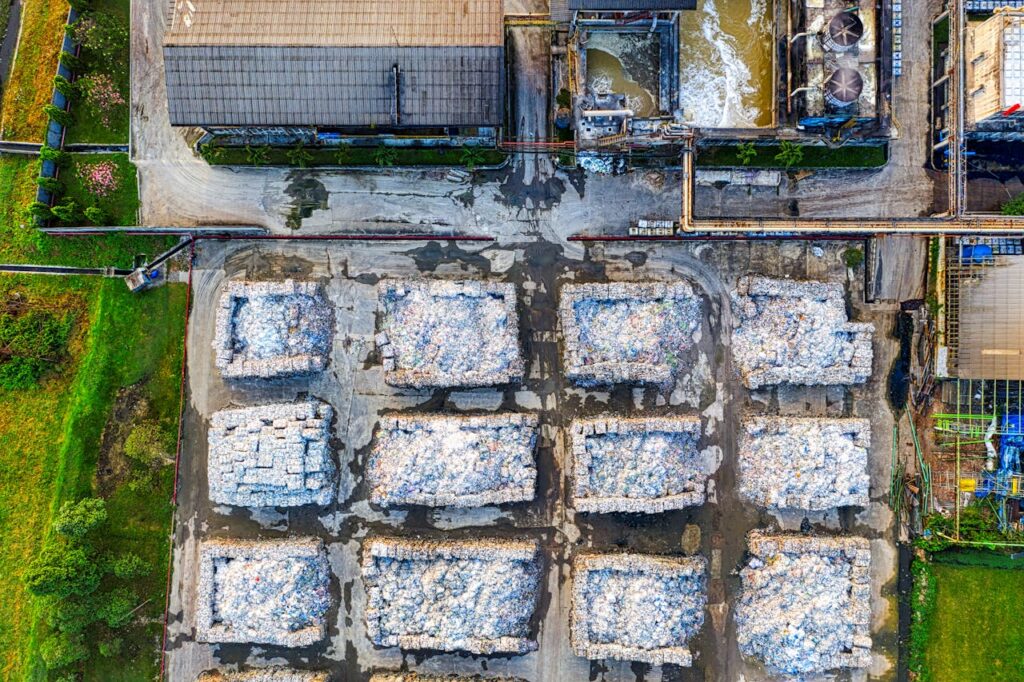
Major Waste-to-Energy Technologies Driving the Global Market
The waste-to-energy sector today includes several advanced conversion technologies, each serving different industrial applications and waste streams.
| Technology | Primary Feedstock | Output Generated | Global Adoption | Investment Scale |
|---|---|---|---|---|
| Pyrolysis | Tyres & plastics | Pyrolysis oil, carbon products | Very High | Medium-High |
| Gasification | Mixed industrial waste | Syngas & electricity | High | High |
| Anaerobic Digestion | Organic waste | Biogas & bio-CNG | High | Medium |
| Incineration with Energy Recovery | Municipal solid waste | Electricity & steam | Very High | Large-scale |
| Hydrothermal Liquefaction | Plastic & wet waste | Renewable oils | Emerging | High |
| Plasma Gasification | Hazardous waste | Clean syngas | Specialized | Very High |
Among these, tyre pyrolysis and plastic-to-fuel technologies are attracting substantial investor interest due to:
- Strong unit economics
- Lower feedstock costs
- Growing industrial fuel demand
- ESG alignment
- Scalability potential
- Carbon monetization opportunities
Why the United States is Becoming a Global Waste-to-Energy Investment Hub
The United States represents one of the world’s most significant growth opportunities for waste-to-energy infrastructure investments.
Key market drivers include:
Massive Waste Generation Volumes
The U.S. generates:
- More than 290 million scrap tyres annually
- Millions of tons of plastic waste each year
- Growing industrial and municipal waste streams
This creates an enormous long-term feedstock opportunity for scalable waste conversion facilities.
Strong Industrial Demand for Alternative Fuels
Industries across:
- Manufacturing
- Cement production
- Logistics
- Marine transport
- Industrial heating
- Power generation
are increasingly adopting lower-carbon fuel alternatives to reduce both emissions and energy costs.
Regulatory & ESG Tailwinds
The U.S. market is further supported by:
- Renewable energy incentives
- Recycling mandates
- State-level landfill restrictions
- ESG investment capital
- Carbon reduction policies
- Sustainable infrastructure financing
This regulatory environment is accelerating capital deployment into advanced waste conversion projects and circular economy infrastructure.
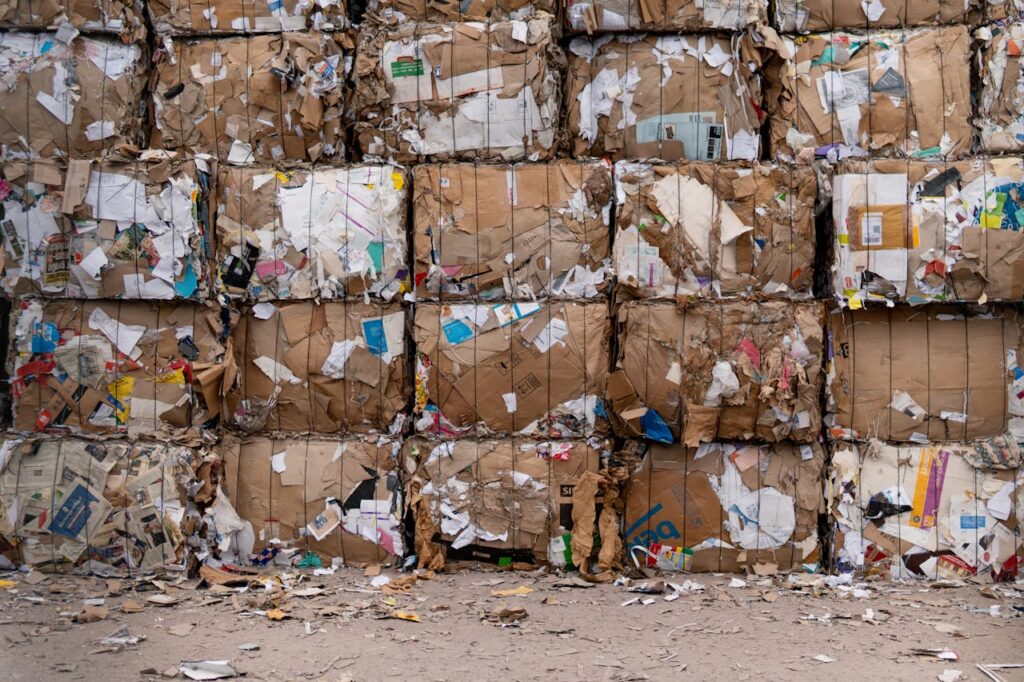
Which Countries Lead the Waste-to-Energy Revolution?
Several countries have emerged as global leaders in waste-to-energy infrastructure development.
| Country | Leadership Position |
|---|---|
| Sweden | Global leader in landfill diversion and district energy |
| Germany | Advanced circular economy systems |
| Japan | High-efficiency urban WTE infrastructure |
| China | Largest deployment scale globally |
| United States | Private capital and alternative fuel innovation |
| Netherlands | Integrated sustainable waste logistics |
| Singapore | Advanced urban waste management systems |
China currently operates one of the largest waste-to-energy ecosystems globally, while Sweden remains one of the world’s strongest examples of integrating waste management with national energy systems.
Where Does India Stand in the Global Waste-to-Energy Industry?
India is rapidly emerging as one of the most important future growth markets in the waste-to-energy sector.
The country offers major advantages including:
- Large and growing urban population
- Increasing municipal waste generation
- Rising industrial fuel demand
- Government-backed clean energy initiatives
- Expanding bio-CNG and waste conversion ecosystem
- Strong sustainability and ESG momentum
India’s waste-to-energy sector is expected to expand significantly over the next decade as cities seek scalable landfill alternatives and cleaner industrial fuel solutions.

Key areas of growth include:
- Tyre pyrolysis
- Plastic waste conversion
- Bio-CNG projects
- Municipal solid waste processing
- Agricultural biomass energy
- Industrial waste recycling infrastructure
Although India is still developing large-scale integrated WTE ecosystems compared to Europe and China, the long-term growth potential remains extremely significant.
Best Countries for Waste-to-Energy Investment Based on Global Trends
The following countries are expected to dominate future waste-to-energy investments based on infrastructure demand, policy frameworks, ESG momentum, and capital deployment trends.
| Country | Investment Potential | Primary Drivers |
|---|---|---|
| United States | Extremely High | Alternative fuels, waste volumes, ESG capital |
| China | Extremely High | Large-scale infrastructure deployment |
| India | Very High Growth | Urbanization and waste expansion |
| Germany | High | Circular economy regulations |
| Sweden | High | Mature WTE ecosystem |
| UAE | Emerging High | Smart city infrastructure |
| Saudi Arabia | Emerging High | Energy diversification strategy |
| United Kingdom | High | Sustainable infrastructure investment |
| Singapore | High | Urban sustainability initiatives |
Countries Expected to Invest Aggressively in Waste-to-Energy Over the Next Decade
Investment momentum is expected to accelerate significantly across:
- United States
- India
- China
- Saudi Arabia
- UAE
- Germany
- United Kingdom
- Nordic countries
- Southeast Asia
- Africa’s industrial growth corridors
As energy security and waste management become increasingly interconnected, governments are expected to allocate billions of dollars toward advanced recycling and alternative fuel infrastructure.
Types of Investment Opportunities Available in Waste-to-Energy
The sector offers multiple investment structures suitable for infrastructure investors, private equity groups, family offices, industrial operators, and ESG-focused capital partners.
| Investment Type | Suitable Investor | Typical Structure | Risk Level | Return Potential |
|---|---|---|---|---|
| Project-Level Equity | HNIs & PE Funds | Equity participation | Medium-High | High |
| Infrastructure SPVs | Institutional Investors | Structured SPVs | Medium | Stable Long-Term |
| Joint Ventures | Industrial Groups | Strategic JV | Medium | Strategic Growth |
| Technology Licensing | Technology Companies | Licensing / Royalty | Medium | Scalable |
| EPC Participation | Infrastructure Contractors | Build & Operate | Medium | Predictable |
| Green Bonds | Institutional Capital | Debt Financing | Lower | Moderate |
| Carbon Credit Platforms | ESG Investors | Revenue Share | Medium | Long-Term Upside |
Minimum Investment Size Required in Waste-to-Energy Infrastructure
Investment requirements vary based on project size, technology, environmental permitting, and regional infrastructure conditions.
| Project Scale | Typical Capacity | Estimated Investment Size |
|---|---|---|
| Pilot Waste Conversion Facility | Small modular unit | USD 1M – 5M |
| Regional Tyre Pyrolysis Plant | Tyres & plastics | USD 5M – 25M |
| Industrial Waste-to-Energy Plant | Mixed waste processing | USD 25M – 100M |
| Multi-Site Infrastructure Platform | Regional deployment | USD 100M – 500M+ |
| National Waste Infrastructure Network | Multi-country scale | USD 500M+ |
YTC Ventures’ Approach to Investing in the Waste-to-Energy Revolution
YTC Ventures operates through a strategic infrastructure and cross-border investment sourcing model focused on identifying scalable opportunities within:
- Waste-to-energy infrastructure
- Renewable fuel systems
- Circular economy projects
- Sustainable industrial materials
- ESG-aligned infrastructure platforms
- Alternative energy ecosystems
How YTC Ventures Sources Waste-to-Energy Opportunities
YTC Ventures leverages a global network of:
- EPC contractors
- Technology providers
- Infrastructure developers
- Waste management operators
- Industrial partners
- Energy ecosystem stakeholders
- Municipal relationships
- Cross-border investment networks
This sourcing framework allows access to early-stage, growth-stage, and large-scale infrastructure opportunities across:
- United States
- Europe
- India
- Middle East
- Southeast Asia
- Emerging industrial markets
The objective is to identify scalable and repeatable infrastructure models with strong long-term growth potential and ESG alignment.
Why the Waste-to-Energy Revolution Matters
The Waste-to-Energy Revolution is no longer simply about waste disposal.
It represents the convergence of:
- Renewable energy
- Industrial decarbonization
- Sustainable infrastructure
- Circular economy transformation
- Alternative fuel systems
- Carbon reduction technologies
- ESG investment ecosystems
As landfill dependency becomes increasingly unsustainable globally, waste conversion infrastructure is expected to become one of the defining industrial investment themes of the coming decade.
Contact YTC Ventures
For investment participation, strategic partnerships, co-investment opportunities, infrastructure acquisitions, or confidential discussions related to the global Waste-to-Energy sector:
Investment Desk: investments@ytcventures.com
Strategic Partnerships
Official Website
Contact Page

Comments