
YTC Ventures | TECHNOCRAT MAGAZINE | www.ytcventures.com
April 16, 2026
In a significant diplomatic push, Pakistan’s Chief of Army Staff Field Marshal Asim Munir landed in Tehran on April 15, leading a high-level delegation that includes Interior Minister Mohsin Naqvi.
The visit comes as US-Iran ceasefire negotiations remain stalled following the collapse of talks in Islamabad.
Munir is reportedly carrying a direct peace message from US President Donald Trump aimed at reviving the process.
Background: The 2026 Iran Conflict
The conflict erupted earlier this year after the breakdown of nuclear negotiations between the United States and Iran. Israeli and US strikes hit Iranian nuclear facilities, ballistic missile sites, and key military infrastructure, triggering wider regional tensions involving Iranian-backed proxies.
A major point of contention has been the Strait of Hormuz, where Iran threatened to disrupt oil shipments, sending shockwaves through global energy markets.On April 8, President Trump announced a Pakistan-brokered two-week ceasefire. Iran agreed to ease restrictions in the Strait of Hormuz, while the US and its allies paused major offensive operations.
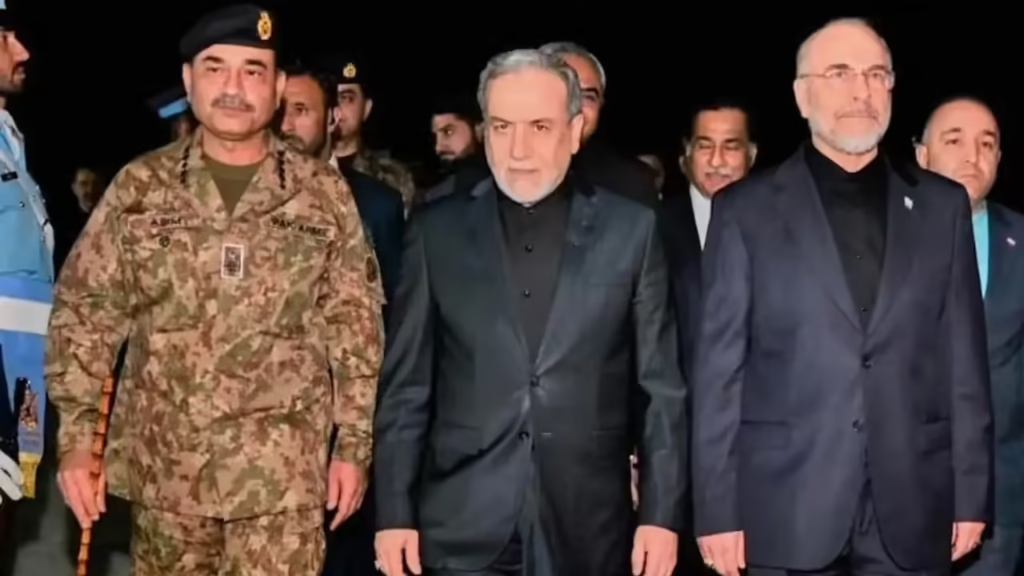
The truce was designed to create space for direct negotiations in Islamabad on April 10-11 — the first face-to-face US-Iran talks in decades.
Islamabad Talks Collapse
The marathon negotiations in Islamabad, hosted by Pakistan, extended nearly 21 hours but ultimately ended without agreement. The main sticking points included:
- Iran’s nuclear enrichment program: The US demands complete halt and verifiable dismantlement, while Iran insists on its right to limited civilian enrichment.
- Regional proxies and de-escalation, particularly involving Hezbollah in Lebanon.
- Sanctions relief and compensation for damages caused during the conflict.
- Security guarantees and freedom of navigation in the Strait of Hormuz.
Both sides accused the other of shifting positions at critical moments. President Trump described the Pakistani mediation efforts positively but made it clear that the US would not accept any Iranian nuclear capability.
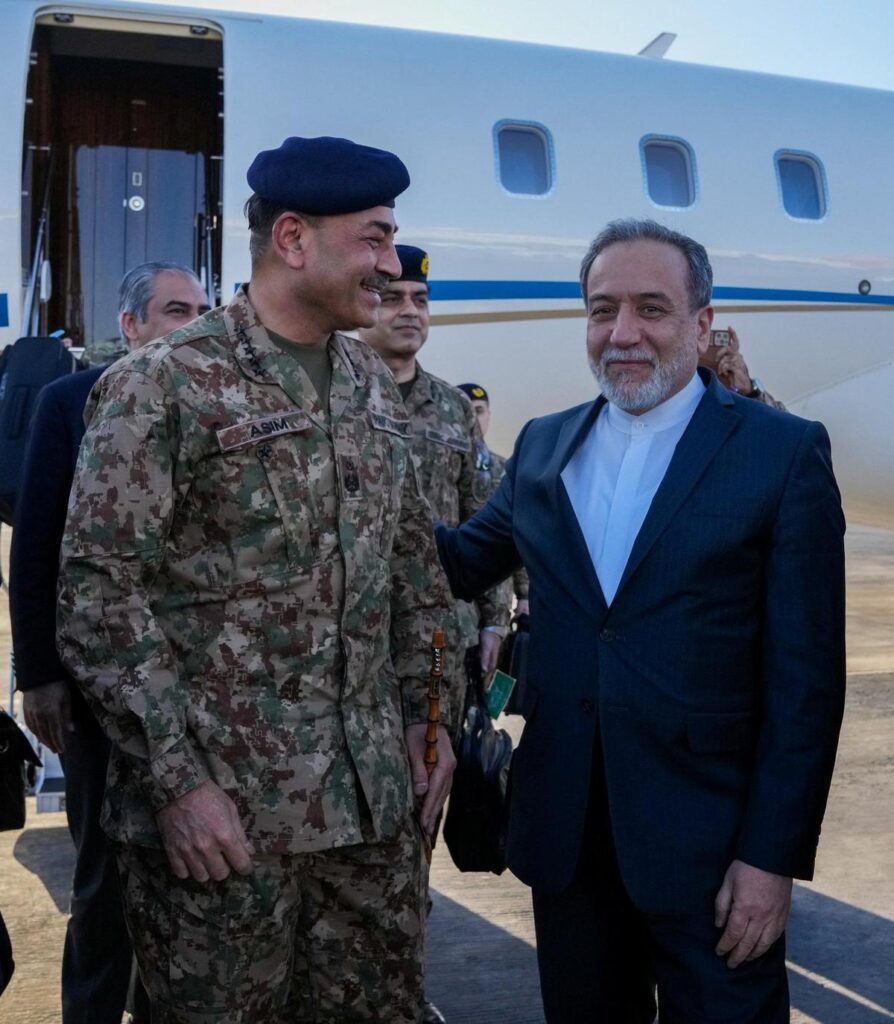
Munir’s Tehran Mission
Pakistan is leveraging its unique position — maintaining diplomatic ties with both Tehran and Washington — to act as a bridge.
Munir’s delegation is expected to meet senior Iranian leadership, including possibly Mojtaba Khamenei and President Masoud Pezeshkian, to convey Trump’s latest proposals and explore compromises based on Iran’s revised 10-point framework.
This shuttle diplomacy reflects Pakistan’s growing role as a mediator in regional crises while balancing its strategic interests with both nations.
Current Status of the War and Negotiations (as of April 16, 2026)
- Ceasefire: The two-week truce is still technically holding but faces mounting pressure as its expiry approaches. Sporadic incidents continue, especially along the Lebanon-Israel border.
- Military Situation: US naval forces remain deployed in strength in the Persian Gulf. Iran has maintained a defensive posture while keeping key nuclear sites under international monitoring.
- Diplomatic Outlook: Back-channel efforts are intensifying. A second round of direct talks could be announced soon, potentially in Islamabad or a neutral venue like Geneva. Success depends on finding middle ground on nuclear limits, sanctions, and regional security arrangements.
- Broader Impact: A successful deal could stabilize global oil markets, reduce nuclear proliferation risks, and reshape security dynamics in the Middle East. Failure risks rapid escalation and renewed military action.
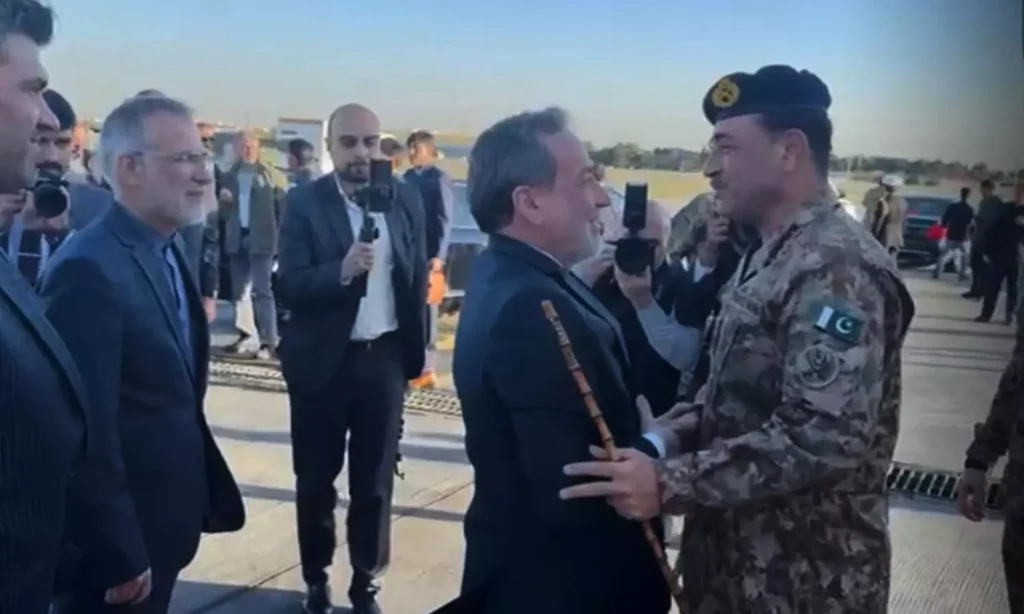
Technocrat Analysis
Pakistan’s active mediation underscores the increasing importance of middle powers in managing great-power confrontations.
Field Marshal Asim Munir’s high-profile engagement highlights Pakistan’s confidence in navigating complex alliances.
For the Trump administration, a swift resolution would represent a major foreign policy achievement. For Iran, the priority remains regime survival and economic recovery.
The coming hours and days are critical. As the ceasefire window narrows, Munir’s efforts in Tehran may determine whether diplomacy prevails or the region slides back into open conflict.This is a developing story.

Comments