
YTC Ventures | TECHNOCRAT MAGAZINE | www.ytcventures.com
26 March 2026
The 2026 Iran War (also known as the US-Israel war on Iran) erupted on February 28, 2026, when the United States and Israel launched massive coordinated airstrikes (Operation Epic Fury / Operation Roaring Lion) targeting Iranian nuclear sites, missile facilities, IRGC command centers, and leadership.
The initial strikes killed Supreme Leader Ali Khamenei, senior officials like Ali Larijani, and multiple IRGC commanders. Iran retaliated with Operation True Promise IV — waves of missiles and drones hitting Israel, US bases, and Gulf allies — while pressuring the Strait of Hormuz, disrupting global oil and LNG flows. The conflict has spilled into intensified fighting with Hezbollah in Lebanon and proxy attacks across the region.As of Day 26–28, the war remains active with ongoing airstrikes, missile exchanges, and regional escalation.
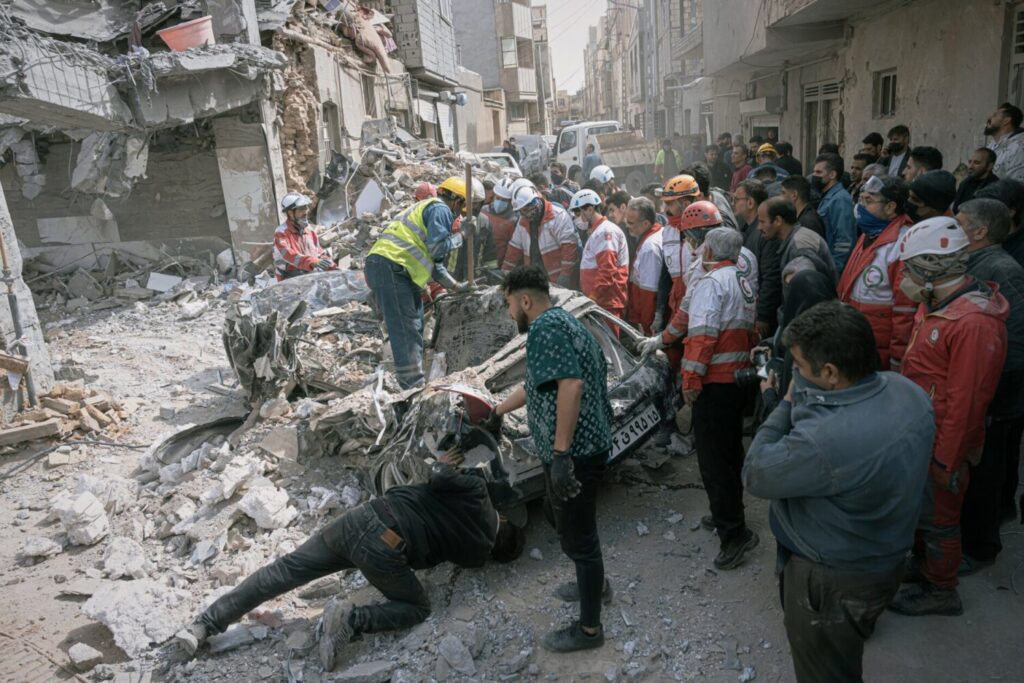
No full ceasefire is in place, though diplomatic signaling via mediators (including Pakistan) continues amid heavy military pressure.
Current Military Situation in the 2026 Iran War
- US-Israel operations: Sustained strikes on Iranian military infrastructure, energy assets, and command targets. Recent actions include attempts to target senior IRGC Navy figures and strikes near key sites. A projectile incident near Bushehr Nuclear Power Plant raised international concerns, though the IAEA reported no reactor damage.
- Iranian retaliation: Continued missile and drone barrages against Israeli cities (Tel Aviv, Haifa, Safad areas), US positions, and Gulf states (including debris incidents in Abu Dhabi and other facilities). Iran has required coordination or fees for some vessels transiting the Strait of Hormuz while restricting others associated with adversaries.
- Regional spillover: Israeli operations expanding a buffer zone in southern Lebanon against Hezbollah, with rockets fired at northern Israel. Proxies have targeted US and allied sites.
- Human toll: Thousands killed and tens of thousands wounded across Iran, Israel, Lebanon, and Gulf states. Civilian areas, infrastructure, and energy facilities hit on multiple sides. Millions displaced inside Iran.
The conflict has triggered significant oil price volatility (Brent crude spiking toward $100–120+/barrel at peaks) and shipping disruptions.
Trump Negotiations, the 15-Point Plan, and Conflicting Claims on Iran Peace Talks
President Donald Trump has repeatedly stated that the US is in productive negotiations with Iran, describing Tehran as “desperate” for a deal and claiming Iran offered a “very significant prize” involving oil, gas, and reopening the Strait of Hormuz. He has postponed certain strikes to allow diplomacy and says talks are with “the right people” in Iran.
- US 15-point proposal (delivered via Pakistan): Reportedly includes permanent end to Iran’s nuclear weapons program, dismantling nuclear facilities, handing over enriched uranium, limiting ballistic missiles, stopping support for proxies (Hezbollah, Houthis, etc.), ensuring freedom of navigation through the Strait of Hormuz, and potential sanctions relief in exchange.
- Iran’s response: Iranian officials have flatly denied direct negotiations, calling US claims “fake news” and saying the US is “talking to itself.” Iran has outlined its own five conditions for any ceasefire: complete halt to US/Israeli aggression and assassinations; guarantees against future attacks; payment of war damages/reparations; Iranian authority/control over the Strait of Hormuz; and end to attacks on allies like Hezbollah.
- Reality check: Communications appear limited to indirect backchannels via third parties (Pakistan, Oman). No independent confirmation of direct talks or a breakthrough. The gap between Trump’s optimistic public statements and Iran’s public defiance fuels propaganda accusations on both sides. Pakistan has offered to host talks.
The situation remains fluid: military operations continue alongside diplomatic maneuvering.
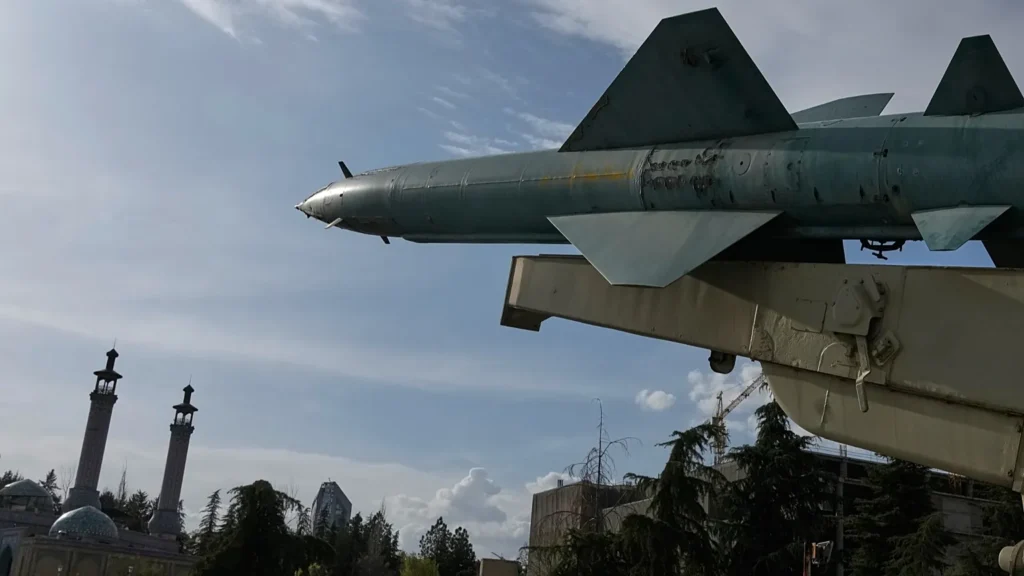
Cost of the 2026 Iran War So Far:
Casualties, Damages & Economic ImpactReliable totals are challenging due to the ongoing “fog of war,” differing source methodologies (US/Israeli vs. Iranian/Gulf), and exclusion of long-term costs like veteran care, full reconstruction, or sustained economic ripple effects.
US figures are the most detailed; others rely on partial assessments and modeling.
Estimated Costs and Impacts of the 2026 Iran War (as of ~March 26, 2026)
| Party | Direct Military/Operational Costs | Infrastructure & Damage Costs | Human Costs (Approximate) | Broader Economic Impacts | Key Notes |
|---|---|---|---|---|---|
| United States | ~$16.5B by Day 12; likely $20–25B+ by Day 26 (daily ops moderated after initial high munitions use) | ~$1.4B+ (combat losses, damaged US sites in region) | 13+ soldiers killed, hundreds wounded | Oil/gas volatility; potential large supplemental funding; daily costs ~$0.5–1B early on | High initial spend on precision munitions and air/naval operations; costs declined with air dominance. Long-term veteran and replenishment costs will add significantly. |
| Israel | Not fully public (joint ops) | Billions in missile defense, city/power infrastructure damage | Dozens killed (civilians + soldiers); thousands injured | ~$3B/week economic disruption at peaks; reserve mobilization | Focused on air/missile defense and Lebanon operations. |
| Iran | High (missile/drone launches, defenses) | Severe damage to nuclear/military sites, energy infrastructure (gas fields, refineries, ports), thousands of buildings | 1,500–6,500+ killed (varying sources); 19,000+ wounded; millions displaced | Massive oil/gas export losses; reconstruction likely tens of billions; worsened isolation | Heavy hits to command, missile, and energy assets. |
| Hezbollah & Proxies | Significant rocket/drone expenditure | Limited quantified | 570+ Hezbollah fighters killed; additional proxy losses | Regional spillover effects | Support role in broader Axis of Resistance response. |
| Gulf States (UAE, Kuwait, Saudi, Qatar, Bahrain) | Defensive + response costs | Energy/LNG facilities damaged; desalination and infrastructure hits | Dozens killed/injured (e.g., UAE debris casualties) | Major production/export losses; food import disruptions; aviation halts | Significant global supply chain shocks from energy hits. |
| Global/Indirect | N/A | N/A | Thousands total across region | Oil/LNG price surges (Brent spikes); shipping costs; inflation pressures; potential growth slowdown | One of the largest recent energy shocks via Strait of Hormuz disruptions (~20% of global oil/gas flows affected). |
Important Caveats:
- Figures evolve daily. US estimates draw from Pentagon briefings and independent modeling (high early munitions costs transitioned to cheaper options).
- Iranian and Gulf damage assessments are harder to verify independently.
- Broader costs (displacement, long-term health, global inflation, food/security risks) will far exceed direct military spending. Future reconstruction in Iran, Lebanon, and affected Gulf areas could run into tens or hundreds of billions depending on war duration.
The 2026 Iran War continues with simultaneous military pressure and indirect diplomatic efforts.
Developments are rapid — monitor credible sources for real-time updates on strikes, negotiations, oil markets, and humanitarian impacts.

Comments