
7 March 2026
YTC Ventures | TECHNOCRAT MAGAZINE | www.ytcventures.com
In the rapidly evolving world of global energy transport, Arc7 ice-class LNG tankers stand out as engineering marvels designed to conquer the unforgiving Arctic seas. Built primarily in South Korea, these vessels enable year-round navigation through ice-laden routes like the Northern Sea Route, facilitating the efficient export of liquefied natural gas (LNG) from remote Arctic fields.
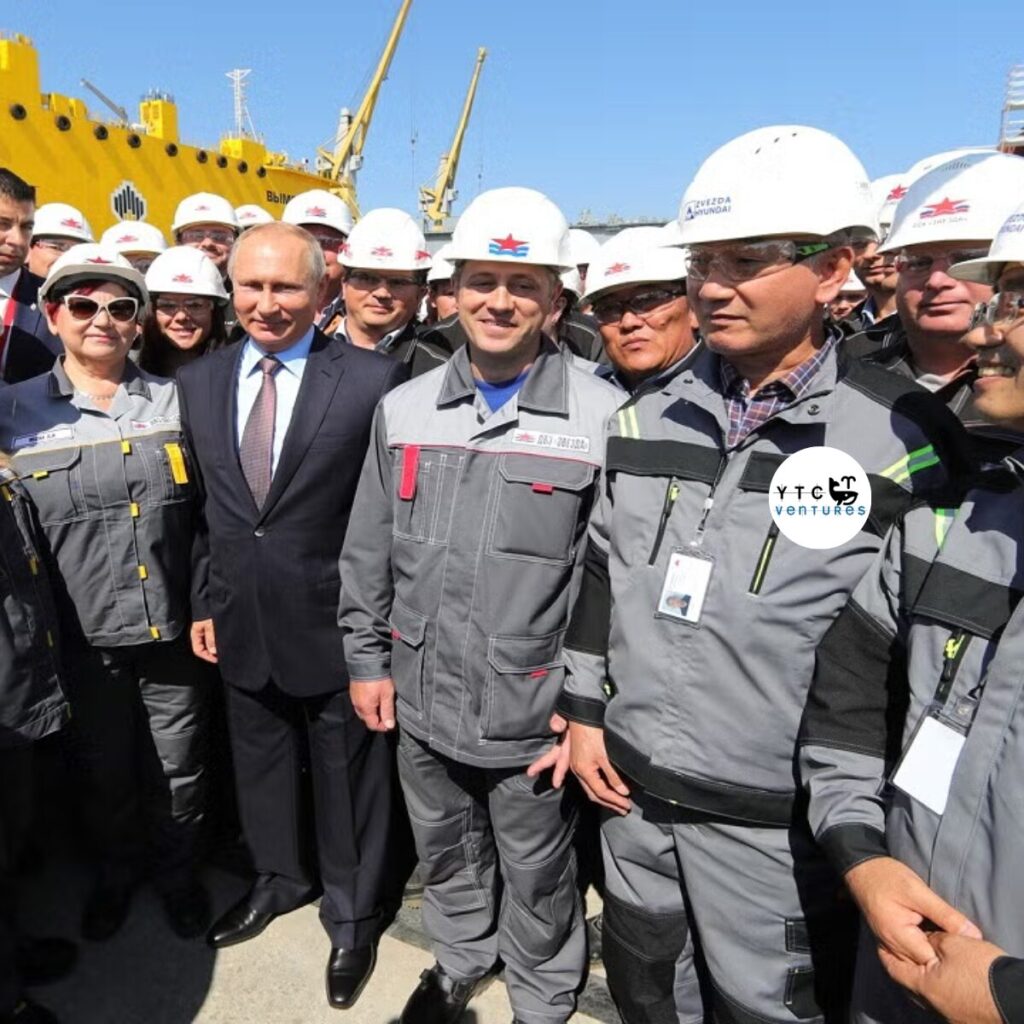
As a leader in shipbuilding innovation, South Korea has delivered some of the most advanced Arc7 LNG carriers, blending cutting-edge technology with robust design to meet the demands of extreme environments. At YTC Ventures, we are excited to spotlight these assets, including a rare opportunity to invest in three high-spec Arc7 ice-class LNG tankers for sale, completed in 2025 and ready for serious buyers.
The Significance of Arc7 Ice-Class LNG Tankers
Arc7 ice-class LNG carriers represent the highest echelon of ice-strengthened vessels, certified to independently navigate through medium first-year Arctic ice up to 2.1 meters thick during summer and autumn, and with icebreaker support in harsher winter conditions. These tankers are essential for projects like Russia’s Yamal LNG and Arctic LNG 2, where traditional ships would falter in sub-zero temperatures as low as -52°C. South Korea’s shipyards, such as Hanwha Ocean (formerly Daewoo Shipbuilding & Marine Engineering) and Samsung Heavy Industries, have been at the forefront, constructing fleets that ensure reliable LNG delivery to Europe and Asia.
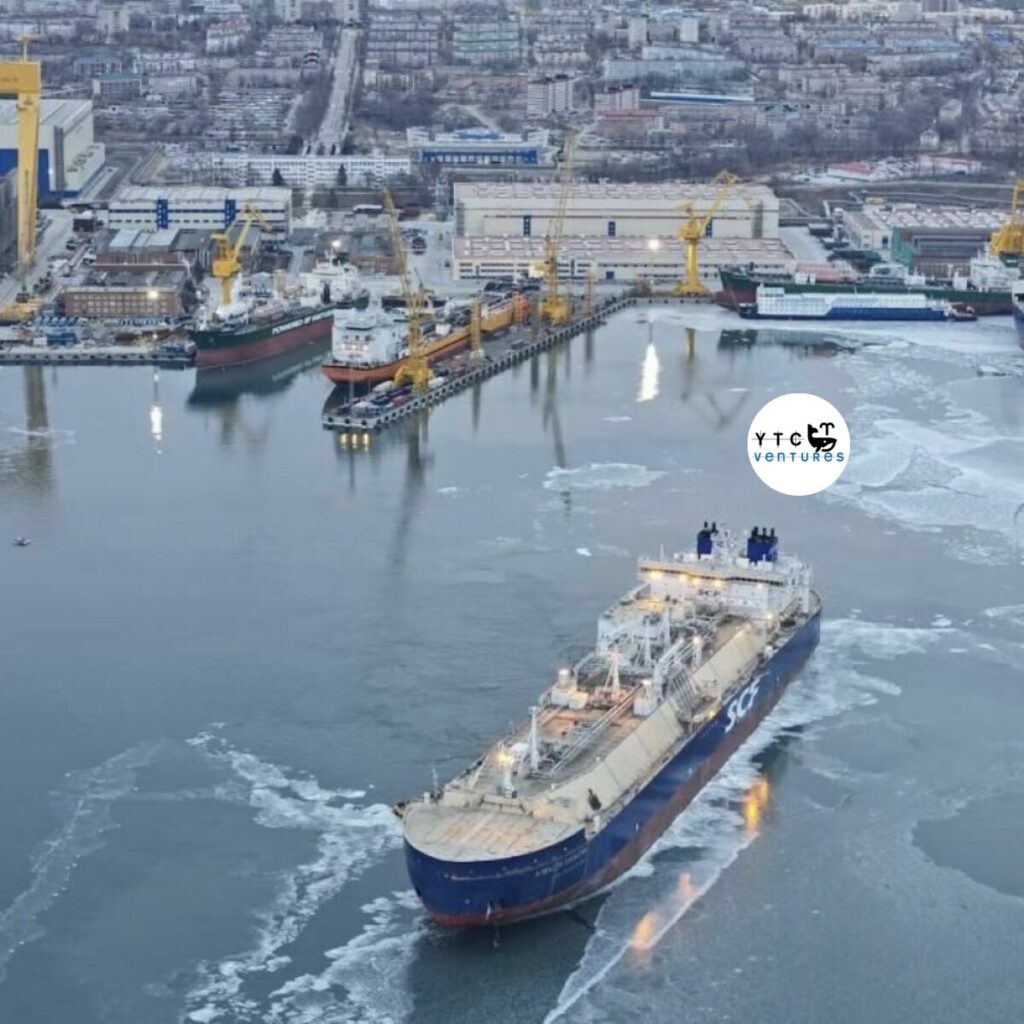
The Arc7 classification underscores their capability for Arctic operations, featuring reinforced hulls, specialized propulsion, and cargo systems tailored for LNG transport. This makes them indispensable for the growing Arctic LNG market, where ice-class LNG tankers enable cost-effective, year-round shipping amid climate-driven route openings.
South Korea’s Role in Building Arc7 LNG Carriers
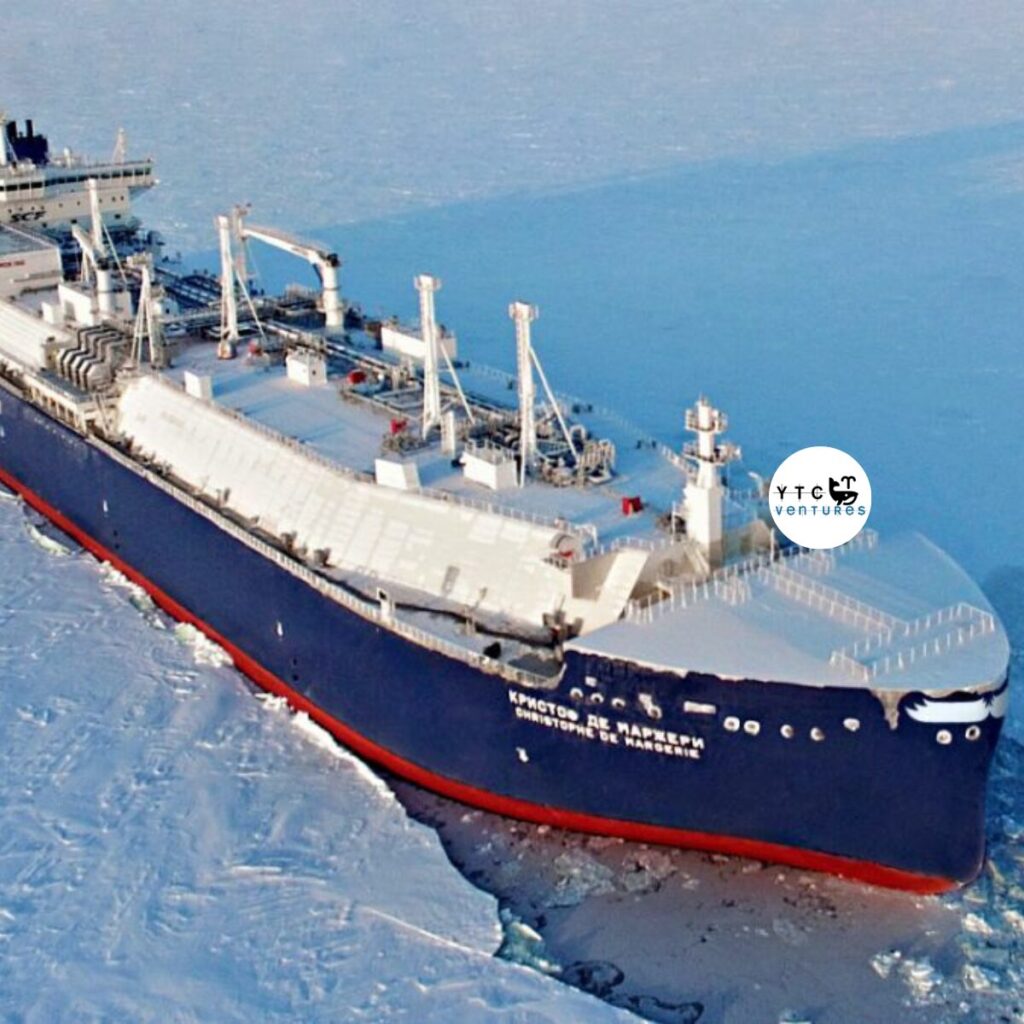
South Korea has solidified its position as a global hub for Arc7 LNG tanker construction, leveraging advanced facilities and expertise. The inaugural Arc7 vessel, the Christophe de Margerie, was launched in 2016 by Daewoo Shipbuilding & Marine Engineering for the Yamal LNG project. This set a benchmark, leading to contracts for 15 such tankers, each valued in the hundreds of millions.
Samsung Heavy Industries contributed significantly to Arctic LNG 2 by building hulls that were later assembled in Russia. Despite geopolitical challenges, including sanctions that disrupted some deliveries, South Korean innovation persists. These yards have produced vessels with enhanced ice-breaking features, potentially allowing escort-free operations even in winter.Key projects highlight this prowess:
- Yamal LNG: A fleet of 15 Arc7 LNG carriers, all South Korea-built, with capacities of 172,600 cubic meters, transporting LNG from the Yamal Peninsula.
- Arctic LNG 2: Plans for additional Arc7 tankers, with South Korean hulls and technology enabling production of nearly 20 million tons of LNG annually.
These initiatives demonstrate how Arc7 ice-class LNG tankers built in South Korea are pivotal for Arctic energy security.
Technical Specifications of Arc7 LNG Tankers
Arc7 LNG carriers are feats of maritime engineering, typically measuring 299-300 meters in length, with a beam of 47-50 meters and a draft of 11.5-13 meters. Their deadweight tonnage (DWT) hovers around 99,824 tons, supporting a cargo capacity of 172,000-174,000 cubic meters in membrane-type tanks adapted for Arctic extremes.Standout innovations include:
- Propulsion System: Three Azipod units delivering up to 51 MW, enabling ice-breaking in both bow-first and stern-first modes for superior maneuverability.
- Fuel Efficiency: LNG as primary fuel, minimizing emissions and managing boil-off gas.
- Design Features: Reinforced hulls with ice knives, semi-enclosed mooring decks, and heating systems to prevent freezing.
These specs make Arc7 ice-breaking LNG tankers ideal for Northern Sea Route operations, where high-spec Arc7 LNG fleets ensure reliability in challenging conditions.
Challenges and the Evolving Landscape
Geopolitical shifts, including Western sanctions post-2022, have impacted South Korean involvement in Russian projects.
Unfinished Arc7 newbuilds have created unique market opportunities, shifting focus to domestic Russian assembly while highlighting dependencies on Korean expertise. As global LNG demand surges, these vessels remain critical for sustainable Arctic development.
YTC Ventures Investment Opportunity: Three Arc7 Ice-Class LNG Tankers for Sale
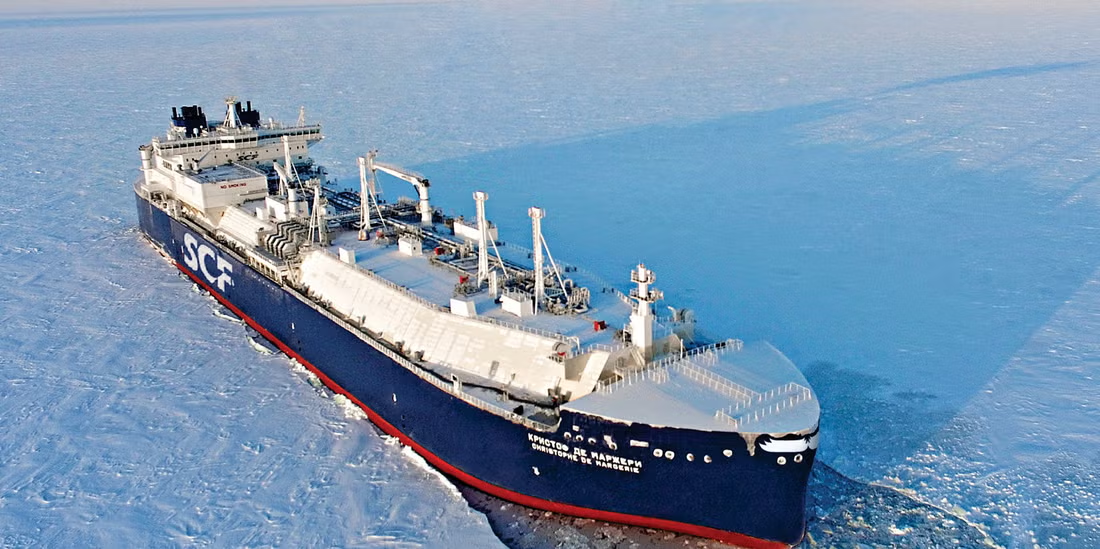
At YTC Ventures Investment Desk, we present an exclusive business investment opportunity in the maritime and energy sectors: three newbuilding 299m Arc7 LNG newbuilds from 2025, available for serious buyers. These Arc7 ice-class LNG carriers for sale boast advanced pod propulsion, a 172,600 cbm capacity, and full Arctic readiness, aligning with the design of vessels for Yamal LNG and Arctic LNG 2 projects.
Key details:
- Build Year: 2025 (completed and located at South Korean shipyard)
- Length/Beam/Draft: 299 meters / 47 meters / 13 meters
- DWT: 99,824 tons
- Propulsion: High-output pod systems (approximately 87,014 BHP)
- Classification: Arc7 ice-class (adjustable to IACS standards)
- Availability: Prompt takeover possible, with potential for re-classing
These high-spec Arc7 LNG tankers for sale POR (price on request) are perfect for operators expanding in the Arctic LNG transportation market. With ice-class LNG tankers in high demand and scarce supply, this Arc7 LNG carriers investment opportunity offers substantial returns in a sector poised for growth.
Serious buyers interested in these Arctic LNG tankers investment prospects are requested to email investments@ytcventures.com, providing background and proof of funds.
Don’t miss this chance to acquire premium assets in the evolving world of LNG shipping.YTC Ventures is committed to facilitating top-tier opportunities in energy and maritime investments.
Stay tuned for more insights into innovative sectors like Arc7 LNG tankers available South Korea and beyond.

Comments