
YTC Ventures | TECHNOCRAT MAGAZINE | www.ytcventures.com
23 March 2026
As the US-Israel campaign against Iran enters its 24th day, the conflict has escalated from targeted strikes to a high-stakes battle over global energy lifelines. What began on February 28 with the assassination of Supreme Leader Ali Khamenei has morphed into a perilous standoff that threatens to redraw the world’s energy map—and its economic order.
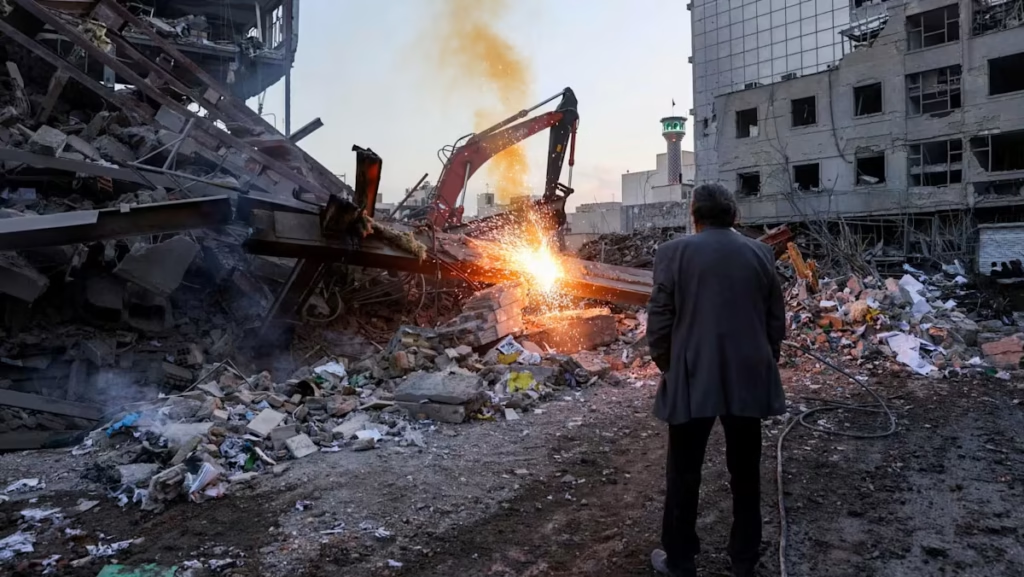
The Breaking Point: Trump’s 48-Hour Ultimatum
Late Saturday, President Donald Trump delivered a blunt ultimatum from the White House: Iran must fully reopen the Strait of Hormuz within 48 hours or face “total obliteration” of its energy infrastructure. Trump singled out the Bushehr nuclear power plant and major oil terminals as primary targets, warning that continued closure of the strait—which handles one-fifth of global oil trade—would trigger “devastating” US strikes.“America will not tolerate any nation holding the world’s economy hostage,” Trump stated.
The deadline expires tomorrow, March 24. US and Israeli forces have already degraded much of Iran’s air defenses and missile production capacity, setting the stage for precision strikes on power grids if Tehran refuses.
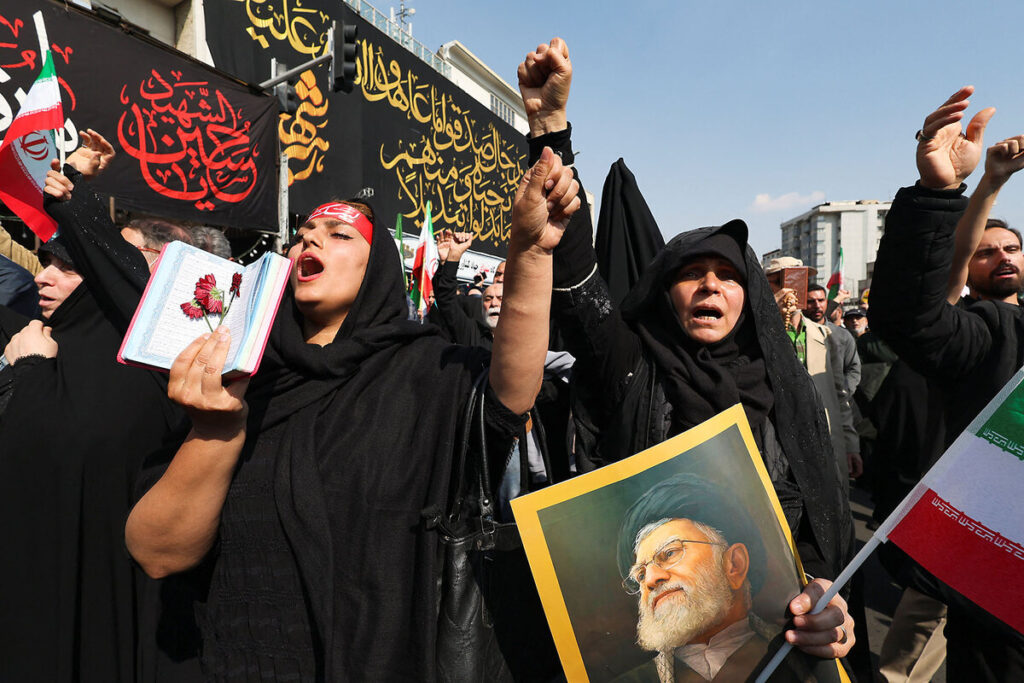
Tehran’s Fierce Rejoinder
Iran’s response was immediate and uncompromising. On Sunday, military spokesman Ebrahim Zolfaghari declared that any attack on Iranian energy sites would render “all US and allied energy infrastructure, IT systems, desalination plants, and Gulf oil terminals legitimate targets for irreversible destruction.”Parliament Speaker Mohammad Baqer Qalibaf amplified the threat on X, warning of a potential “Gulf blackout” that could plunge the region into darkness. Iranian officials have circulated internal target lists, explicitly naming facilities in Saudi Arabia, the UAE, Qatar, and US-linked bases.
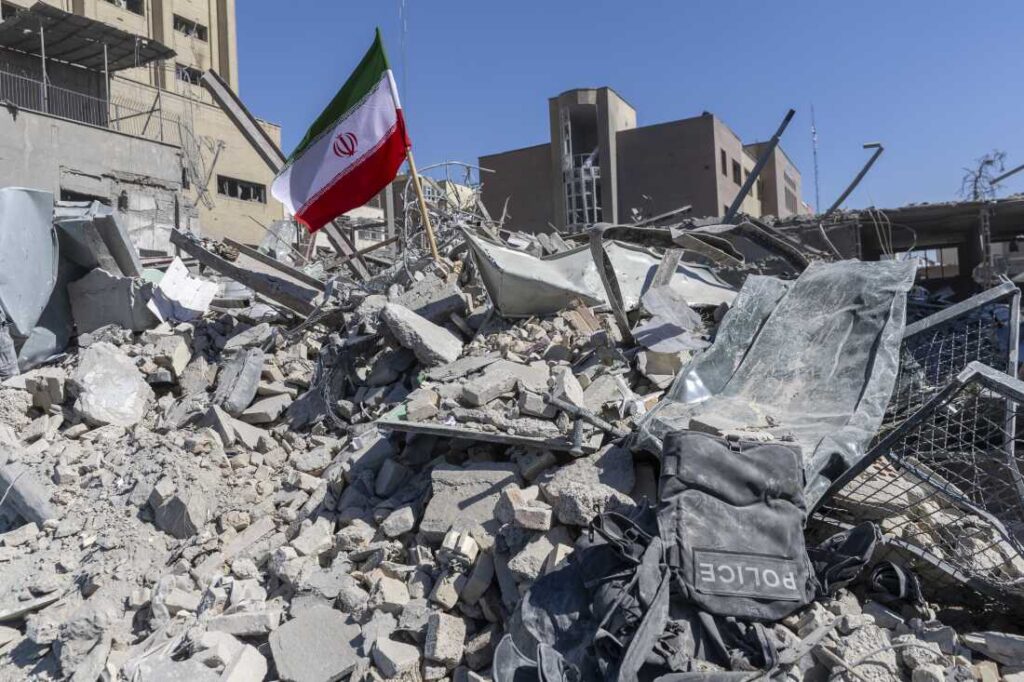
Tehran has vowed to keep the Strait of Hormuz sealed indefinitely if provoked, effectively weaponizing the chokepoint that supplies roughly 20 million barrels of oil daily to global markets.
Escalation on the Battlefield
The past week has seen relentless exchanges: Iranian barrages of missiles and drones targeting Israeli military sites and Gulf airfields, met by US-Israeli counterstrikes that have systematically dismantled Iran’s remaining defensive capabilities.
Thousands of casualties have been reported on all sides, with civilian infrastructure increasingly in the crosshairs. The war, codenamed “Operation Epic Fury” by US forces, has already consumed unprecedented volumes of precision munitions.
The Human and Economic Toll: A Stark ComparisonWhile battlefield victories are measured in destroyed launchers and neutralized threats, the true cost of this war is mounting at breakneck speed.
Below is a comparison of estimated costs to date (as of March 23, 2026, approximately 24 days into the conflict), drawn from Pentagon briefings, CSIS analysis, Israeli defense sources, and independent economic modeling.
Estimated Cost of War Comparison (March 23, 2026)
| Category | United States | Israel | Iran |
|---|---|---|---|
| Direct Military Spending | $25 billion+ (Pentagon: $11.3B in first 6 days; CSIS projects ~$500M–$1B daily burn rate) | $6.4–8 billion (Haaretz/IDF: ~$320M–$550M per day) | $8–12 billion (est. munitions & defensive systems; regime figures undisclosed) |
| Infrastructure & Damage | $1–2 billion (US bases & regional assets hit) | Minimal reported (Iron Dome intercepts) | $15–20 billion (power plants, nuclear facilities, missile production sites obliterated) |
| Economic Losses (Oil/GDP/Trade) | Inflation spike + global supply chain disruption; broader impact est. $5–10B | $3 billion+ weekly (reservist mobilization, business closures) | $20+ billion (lost oil exports; GDP contraction projected >10%; Strait closure crippling revenue) |
| Total Estimated Impact | $30–40 billion (direct + indirect) | $10–15 billion | $40–50 billion+ (direct damage + revenue collapse) |
These figures exclude long-term veterans’ care, reconstruction, or prolonged global recession risks. Analysts warn that a sustained Strait of Hormuz closure could erase $330 billion to $2.2 trillion from global GDP, depending on duration.
Global Markets in Turmoil
Oil prices have surged past $100 per barrel, with analysts forecasting $120–$150 if the standoff persists. Gulf economies face GDP contractions of 3–14%, while Europe and Asia brace for energy-driven inflation.
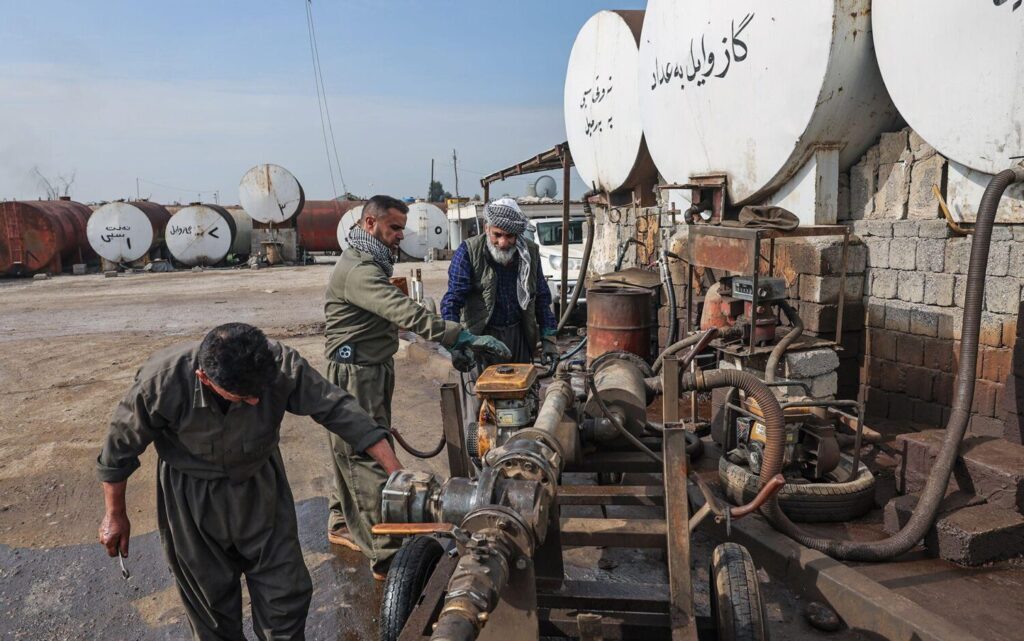
The International Energy Agency has labeled the crisis a “major threat” to worldwide growth. Desalination-dependent nations in the Gulf are particularly vulnerable—any Iranian strike on water infrastructure could trigger humanitarian disaster.
The Road Ahead: Brinkmanship or Breakthrough?
With Trump’s deadline looming, diplomatic backchannels remain frozen. No off-ramp has emerged. The next 48 hours could determine whether this conflict remains a contained military operation or spirals into a region-wide energy war with catastrophic global consequences.
For technocrats, investors, and policymakers watching from boardrooms worldwide: the meter is running—not just in dollars and missiles, but in the fragile stability of the 21st-century energy order. One miscalculation on either side, and the lights could go out far beyond the Middle East.
Stay tuned.
This story is developing by the hour.

Comments