
YTC Ventures | TECHNOCRAT MAGAZINE | www.ytcventures.com
As tensions escalate into open warfare between Israel, the United States, and Iran in early March 2026, YTC Ventures presents this technical analysis of the conflict. Drawing on real-time developments—including U.S.-Israeli strikes on Iranian infrastructure, Iran’s retaliatory missile and drone barrages on Gulf states, and the effective closure of the Strait of Hormuz—this report examines key strategic elements.
We explore geographic, economic, and asymmetric warfare dynamics, applying game theory to assess potential outcomes. While the war’s human toll is profound, with over 1,000 reported deaths in Iran alone, our focus is on the broader implications for global stability, resource security, and investment landscapes in the Gulf Cooperation Council (GCC) region.
The Strait of Hormuz: A Chokepoint for Global Energy and Conflict Escalation
The Strait of Hormuz, a narrow waterway between Iran and Oman, serves as the conflict’s strategic epicenter. Handling about 20-25% of global oil trade and 20% of liquefied natural gas (LNG) shipments, its effective closure by Iran—declared on March 2, 2026, following U.S.-Israeli strikes—has halted tanker traffic, spiking global crude prices by over 10% and LNG prices even higher in Europe and Asia.
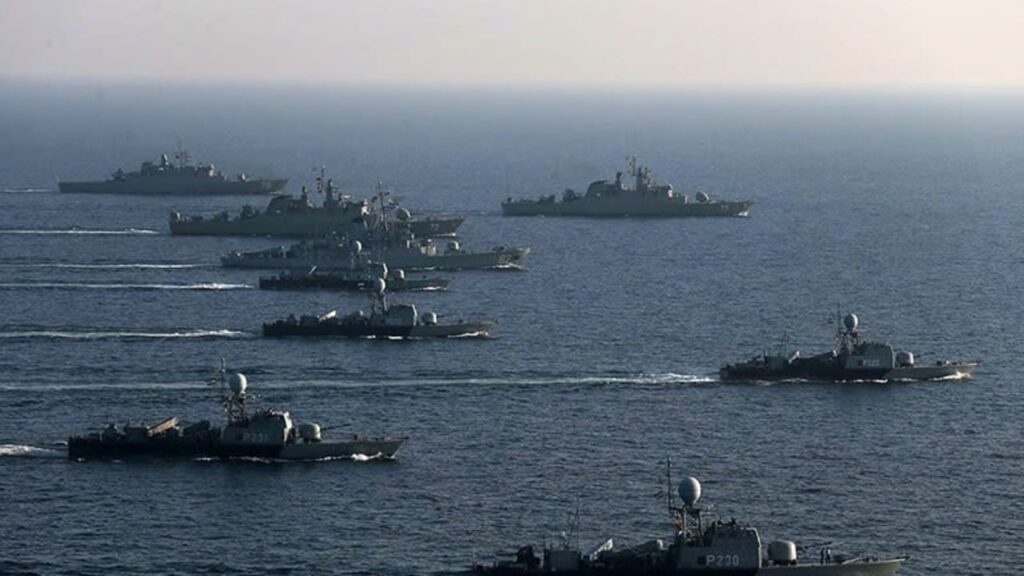
Iran’s control stems from its geographic dominance: anti-ship missiles, naval mines, and fast-attack boats enable asymmetric disruption without full naval superiority. U.S. responses, including submarine strikes on Iranian vessels and potential Navy escorts for tankers, aim to reopen the strait, but prolonged disruption could trigger a global energy crisis, with oil potentially exceeding $100 per barrel.
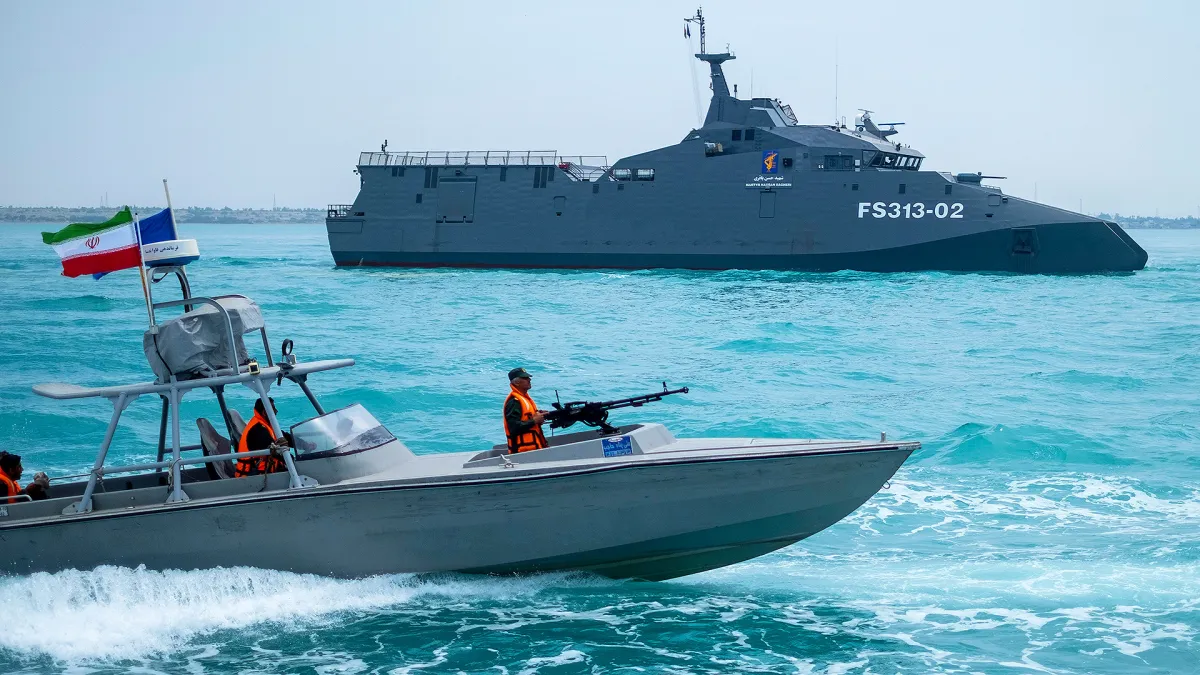
For the GCC, reliant on strait-transited exports, this represents an existential threat, amplifying economic vulnerabilities amid retaliatory strikes on regional facilities.
GCC Food Import Dependency: Vulnerability Amplified by Conflict
GCC countries import approximately 85% of their food, rising to 90% for cereals and nearly 100% for rice, due to arid climates and limited arable land. This dependency exposes them to supply chain disruptions from the conflict. With the Strait of Hormuz closed, shipping routes for food imports—often via sea—face delays and higher costs, potentially leading to shortages and inflation.
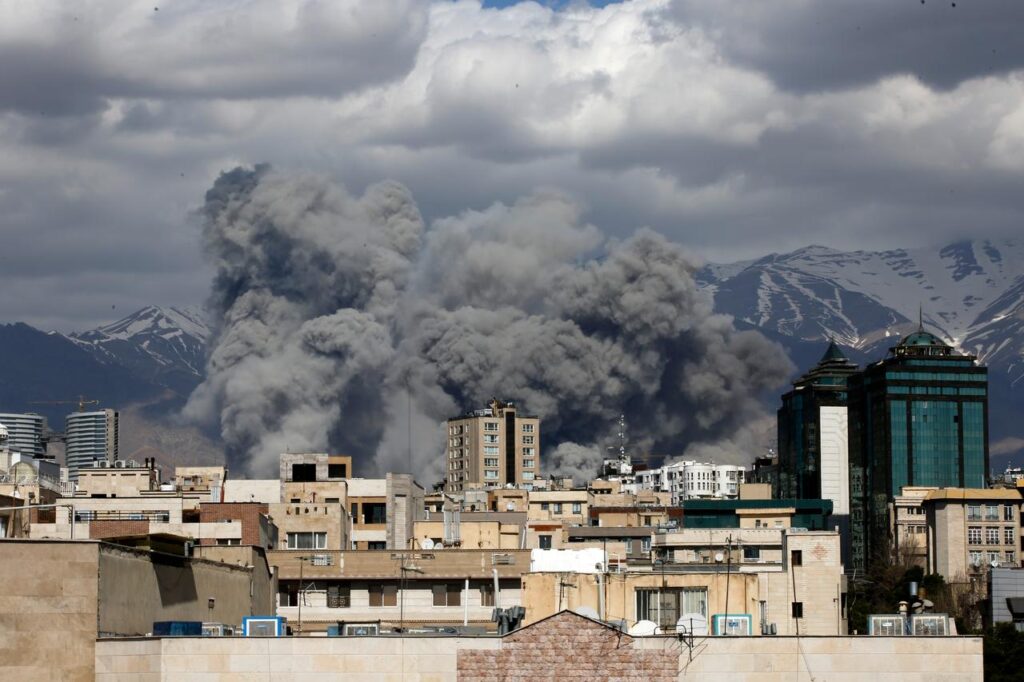
Iran’s retaliatory strikes on GCC energy facilities could indirectly exacerbate this by diverting resources from food security initiatives, such as agritech investments aimed at reducing import reliance. Prolonged war risks famine-like conditions in import-dependent populations, underscoring the need for diversified supply chains and accelerated domestic production.
Petro-Dollar Impact and the Potential Collapse of American Empire
The petro-dollar system, where oil is priced in U.S. dollars, underpins American economic hegemony by sustaining global demand for USD and funding deficits. Iran’s push for de-dollarization—trading oil in yuan, rupees, and barter with allies like China, Russia, and India—challenges this, especially amid strait disruptions that could accelerate shifts away from USD-denominated energy trade.
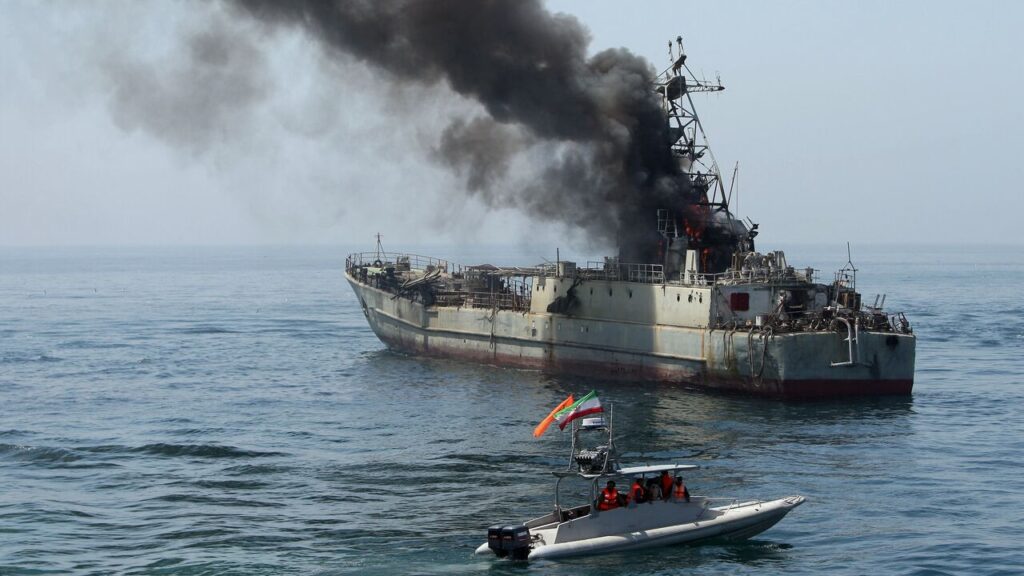
A prolonged conflict might erode U.S. leverage, as Gulf states hedge with BRICS currencies, potentially leading to higher U.S. inflation, borrowing costs, and a diminished global role—echoing theories of imperial overstretch. This “petrodollar war” dynamic could hasten multipolarity, weakening the American empire’s fiscal foundations.
Water as Iran’s Stranglehold: Targeting GCC Desalination Plants
Iran could exploit GCC water vulnerabilities by targeting desalination plants, which supply up to 90% of drinking water in countries like the UAE. These coastal facilities are energy-intensive and susceptible to attacks, oil spills, or contamination, potentially causing rapid shortages—Riyadh, for instance, has only days of reserves.
No water means no food processing or agriculture, crippling economies within weeks. Iran’s asymmetric strikes could force GCC concessions, using water as a non-nuclear stranglehold amid broader energy disruptions.
Iran’s Mountainous Geography: A Natural Fortress for Missile Concealment
Iran’s rugged terrain, including the Zagros and Alborz mountains, provides ideal cover for “missile cities”—deep underground bases housing ballistic and cruise missiles, some 500 meters below ground.
This geography complicates U.S.-Israeli strikes, as facilities like Khorramabad and Fordow are hardened against penetration, enabling sustained launches despite aerial campaigns. Dispersal across 1.6 million square kilometers enhances survivability, turning invasion into a protracted guerrilla conflict.
Asymmetric Costs: Drones vs. THAAD in Economic Warfare
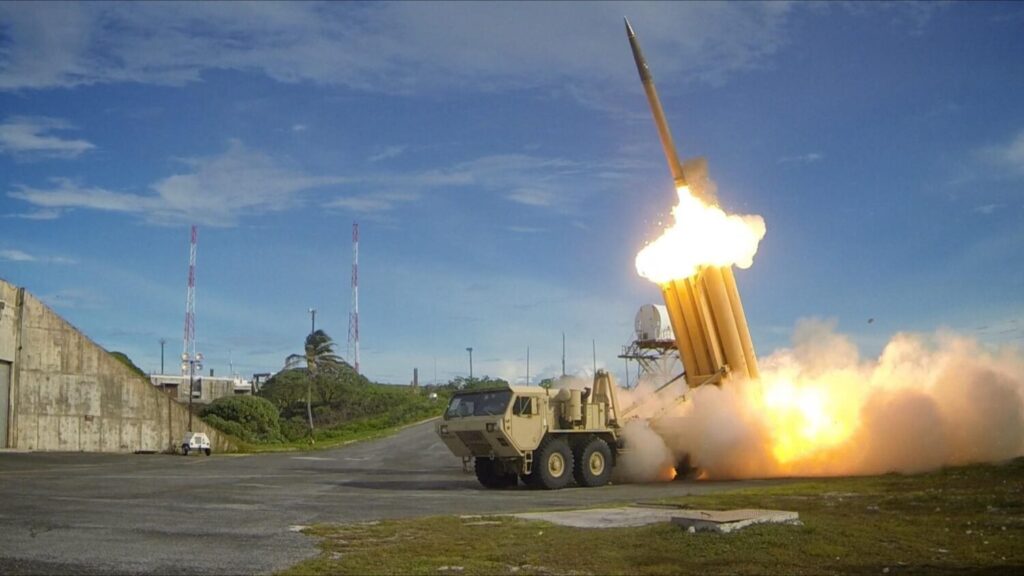
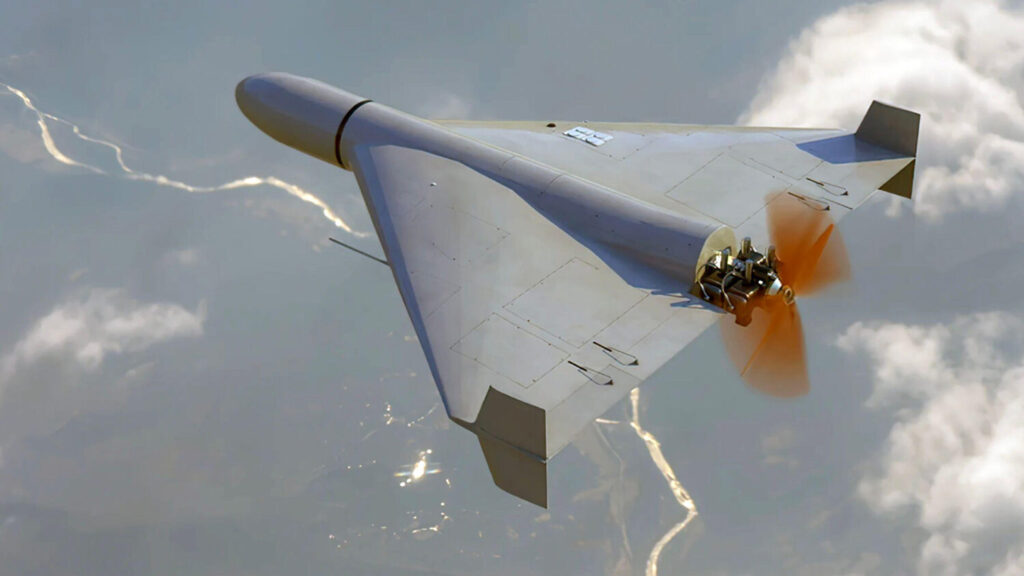
Iran’s Shahed drones, costing $20,000-$50,000 each, impose disproportionate burdens on defenders using $1-4 million Patriot or $12 million THAAD missiles.
This 200:1 cost ratio favors Iran’s attrition strategy, depleting U.S./GCC stockpiles and straining budgets—each interception costs 20-28 times the drone’s value. Prolonged use risks munitions shortages, forcing reliance on costlier alternatives like fighter jets.
Decentralized vs. Centralized Warfare: Iran’s Mosaic vs. Coalition Hierarchy
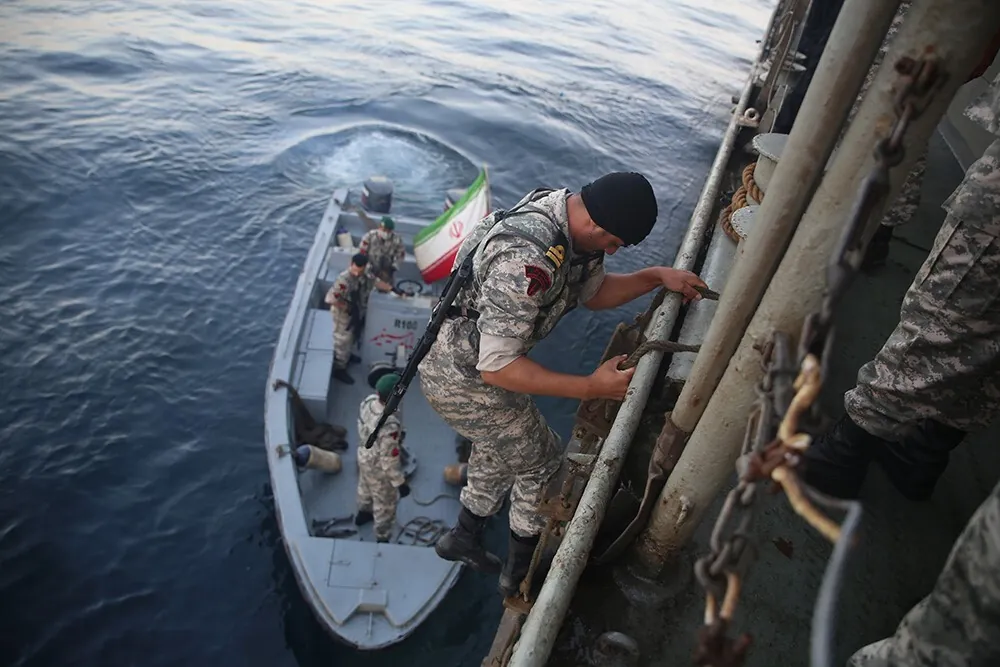
Iran employs “decentralized mosaic defense,” dividing the IRGC into 31 autonomous units for resilient, guerrilla-style operations, allowing independent actions even if central command falls.
This contrasts with the U.S.-Israeli centralized model, vulnerable to decapitation strikes. Iran’s approach, emphasizing endurance over hierarchy, complicates invasions by creating fragmented fronts. The Axis of Resistance’s network state amplifies this, surviving through semi-autonomous proxies.
Game Theory Analysis: Escalation Dynamics and Equilibria
Modeling the conflict as a multi-player game (Iran, Israel, USA, GCC, proxies), we apply Prisoner’s Dilemma and Chicken frameworks. Each actor prefers de-escalation (mutual non-aggression: utility 2-3) but fears defection (unilateral strikes: utility 4 for aggressor, 0 for victim). Iran’s mosaic strategy shifts to an infinite game, prioritizing survival over victory, forcing opponents into costly attrition.
Nash equilibrium may emerge in limited escalation if deterrence holds, but miscalculation risks a spiral to total war. U.S. involvement raises stakes, with Iran betting on endurance to outlast coalition resolve.
Impacts on Private Equity and Financial Services in the GCC
The conflict disrupts GCC private equity (PE) and financial services through heightened uncertainty, M&A valuation resets, and capital flight. Energy-exposed deals face delays; tourism and real estate valuations drop amid volatility. Banks brace for asset devaluations and credit risks, with insurers facing claims surges. Prolonged strife could contract PE fundraising, but short-term hedges in oil and gold may stabilize portfolios.(Internal YTC Ventures Note: Opportunities for YTC in this scenario, including cross-border restructuring and investor matchmaking in resilient sectors, remain locked for strategic partners only.
YTC Ventures – International Investment Technology
www.ytcventures.com
To invest in Startup / Business: investments@ytcventures.com
For Advisory send e-mail to advisory@ytcventures.com
In summary, this war’s asymmetric nature favors Iran’s endurance, potentially reshaping global energy and finance. YTC Ventures advises diversified strategies to navigate volatility.
About YTC Ventures: Pioneering Strategic Insights and Opportunities
This strategic analysis is being made public for the first time by YTC Ventures, offering a glimpse into our proprietary approach to geopolitical and economic intelligence.
YTC Ventures keeps similar deep-dive strategic inputs on a subscription basis, along with private information accessible only to our exclusive network. As the premier source of investment opportunities, connections, and private business intelligence, we empower high-caliber clients to navigate complex global landscapes.
Our logo, the WHALE, symbolizes the power and depth of our insights—the WHALE call is not for everyone, and not everyone has the courage to swim in the high seas with Whales. For those ready to dive deeper, YTC Ventures provides unparalleled access to transformative deals and foresight.

Comments