
YTC Ventures | TECHNOCRAT MAGAZINE | www.ytcventures.com
Introduction to Liberia
Liberia, officially the Republic of Liberia, is a West African nation on the Atlantic coast, bordered by Sierra Leone, Guinea, and Côte d’Ivoire. With a population of approximately 5.7 million in 2025, it is one of Africa’s oldest republics, founded in 1847.
The country features tropical rainforests, fertile coastal plains, and abundant rainfall, making it highly suitable for agriculture. Grand Bassa County, located in the central coastal region with its capital Buchanan, exemplifies Liberia’s agricultural heartland.
This analysis article explores Liberia’s profile, government, history, economy, political stability, and agriculture sector—with a special focus on Grand Bassa—before presenting a venture analysis for agribusiness investment.
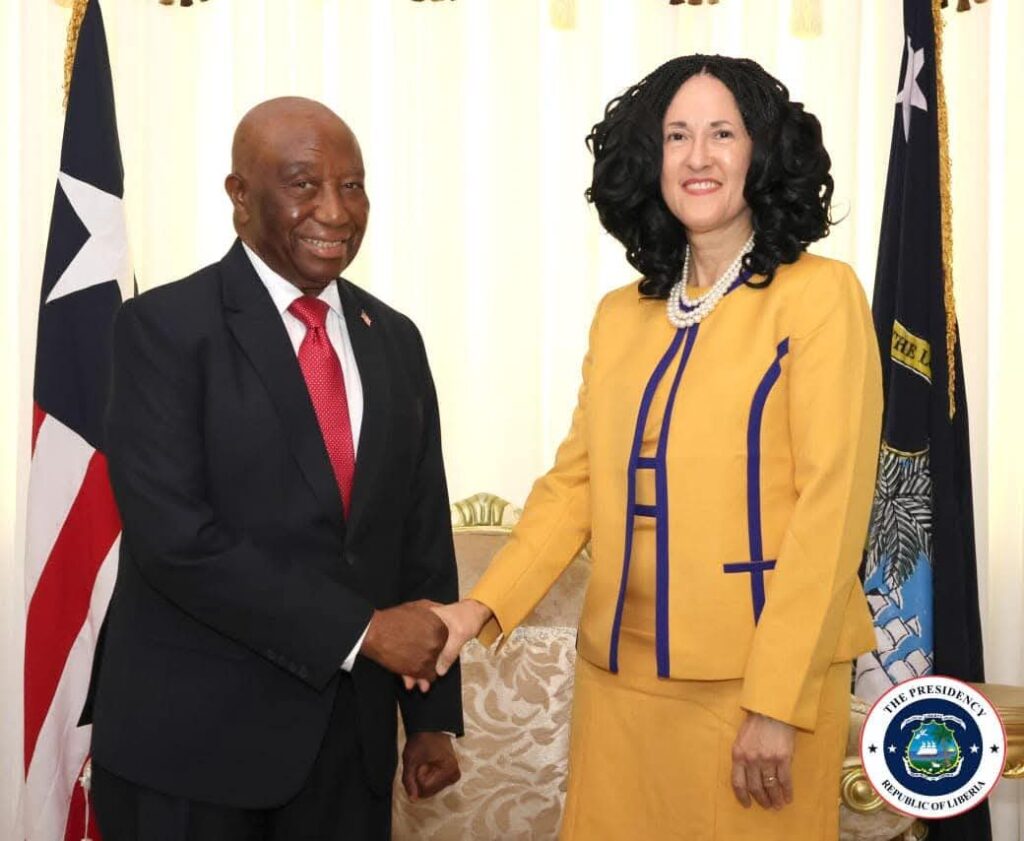
A Section About Liberia and Its Place in African History
Liberia stands out in African history as the continent’s oldest republic and one of only two African nations (alongside Ethiopia) never colonized by European powers in the traditional sense. Its story begins in the early 19th century when the American Colonization Society resettled freed African American slaves and free people of color on the “Grain Coast.”
The first settlers arrived in 1822, and on July 26, 1847, Liberia declared independence, adopting a constitution modeled on that of the United States. Early leaders like Joseph Jenkins Roberts (the first president) expanded the territory and established trade.Indigenous ethnic groups (including Bassa, Kru, and others) had inhabited the region for centuries, with Portuguese explorers naming it in the 15th–17th centuries for its melegueta pepper trade.
Liberia’s unique “Americo-Liberian” elite governed until the 1980 coup by Samuel Doe, followed by devastating civil wars (1989–2003) that killed over 250,000 people and displaced millions. Post-2003, under leaders like Ellen Johnson Sirleaf (Africa’s first elected female president), Liberia rebuilt with UN support.
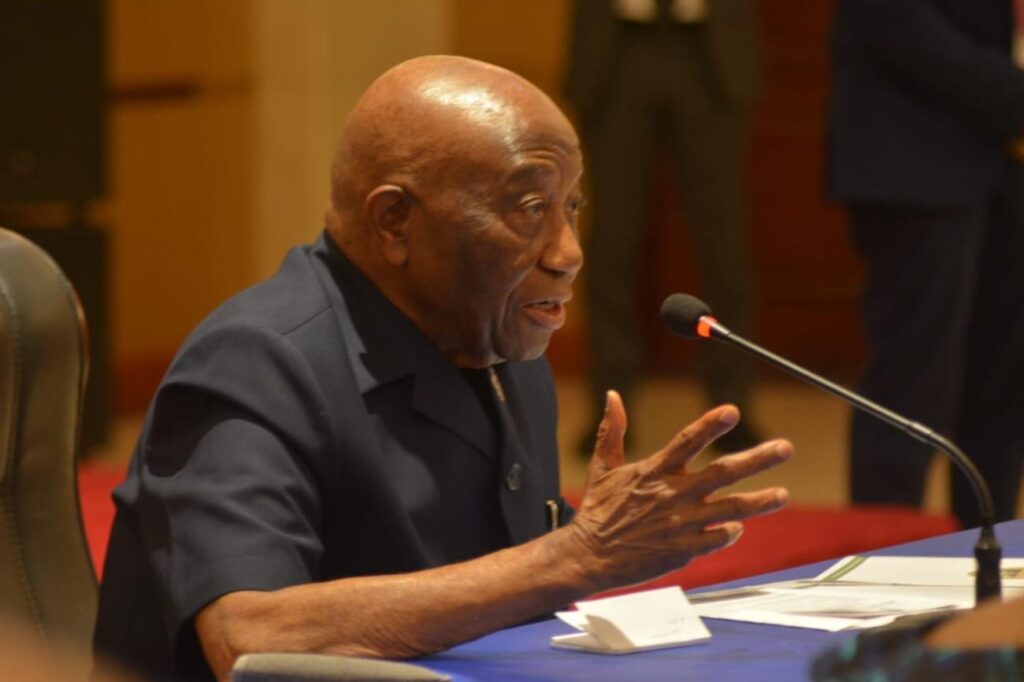
In the broader African context, Liberia symbolizes resilience against colonialism, pan-African aspirations (it hosted early independence movements), and post-conflict democratic recovery—offering lessons for the continent amid ongoing challenges elsewhere.
Government Structure
Liberia operates as a unitary presidential representative democratic republic, modeled closely on the United States system. The 1986 Constitution divides power into three branches:
- Executive: Led by the President (currently Joseph Nyuma Boakai), elected for a six-year term (renewable once). The President serves as head of state and government, appoints the cabinet, and oversees administration.
- Legislative: A bicameral National Assembly with a 73-member House of Representatives (six-year terms) and a 30-member Senate (nine-year terms, staggered).
- Judicial: Independent courts, with the Supreme Court at the apex.
Counties like Grand Bassa are administered by superintendents appointed by the President.
Multi-party democracy has strengthened since 2006, with peaceful power transitions in 2017 and 2024.
Economy Size
Liberia’s nominal GDP stands at approximately $5.59 billion (current prices, 2025 estimates). The economy relies heavily on natural resources, with agriculture contributing 29.7–38.8% of GDP and mining (iron ore, gold) and rubber also significant. Per capita GDP remains low (~$980), reflecting its status as a lower-middle-income country in transition. Growth is projected at 4.6% in 2025 and 5.4% in 2026, driven by agriculture recovery, mining expansion, and agro-processing initiatives.
Political Stability of the Region
Liberia enjoys remarkable stability for a post-conflict nation. Two decades of uninterrupted peace since 2003, multiple peaceful democratic transitions (including the 2023–2024 handover), and strong institutions have earned it rankings as the third-most stable country in Africa according to the 2025 Africa Country Instability Risk Index.
World Bank indicators show a political stability score of -0.23 (on a -2.5 to +2.5 scale) and a percentile rank of ~42.7 in 2023–2024—improving steadily. Challenges like corruption and youth unemployment persist, but the government’s ARREST Agenda (2025–2029) and international partnerships reinforce stability.
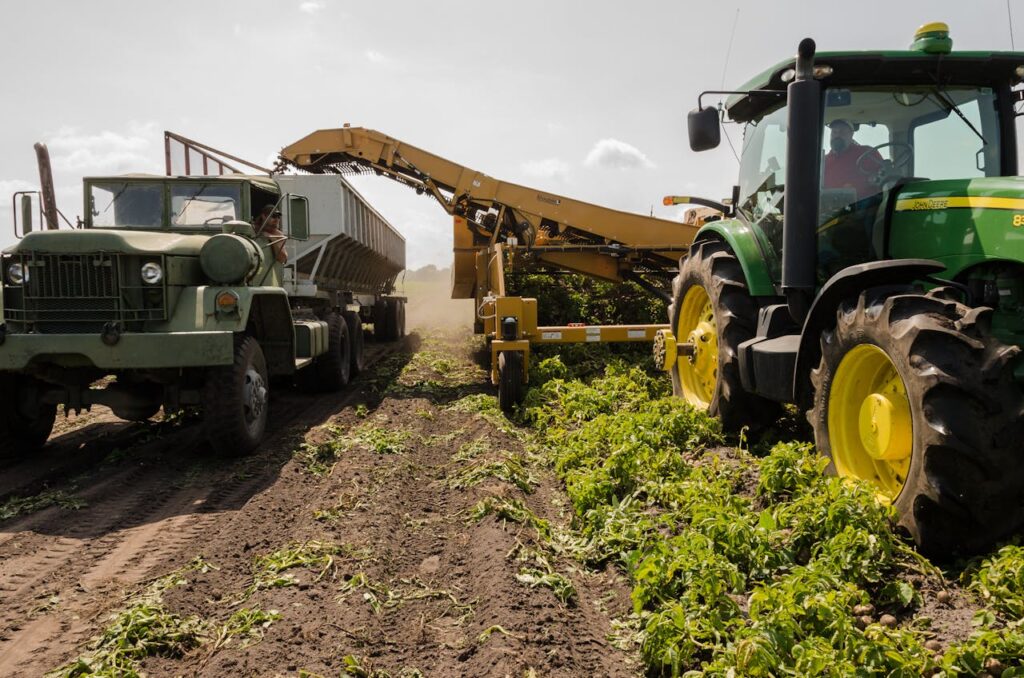
Grand Bassa and coastal regions benefit from this calm, with minimal violence or unrest.
Agriculture Status in Liberia
Agriculture remains the backbone of Liberia’s economy, employing over 70% of the population and supporting rural livelihoods. The 2024 Liberia Agriculture Census identified 338,492 agricultural households (over 1.3 million people), with 99% engaged in crop cultivation—predominantly smallholder, subsistence farming. Yields are low due to limited mechanization, inputs (fertilizer use <1%), poor infrastructure, and post-war recovery challenges. However, the sector rebounded in 2024, contributing to overall growth via rubber and rice output.
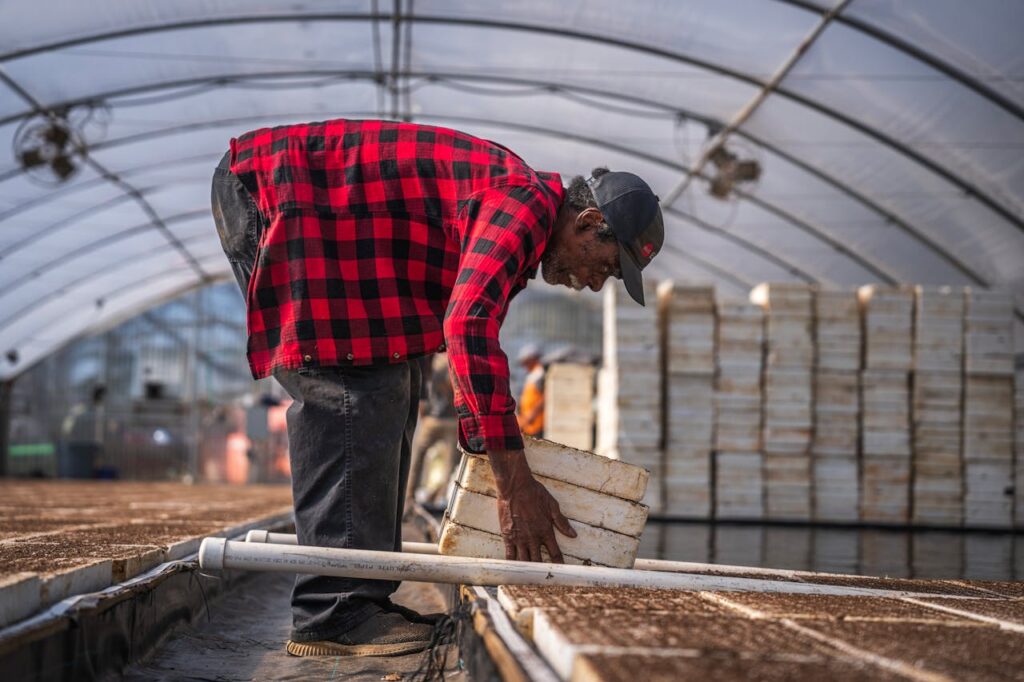
The government launched a $900 million program targeting rice, maize, cassava, coffee, and oil palm to boost food security and reduce imports. Value addition and agro-processing are priorities, with initiatives like mechanization for cooperatives and traceability systems for exports.Top Produce in Liberia
- Staples (subsistence): Rice (cultivated by 56.3% of agricultural households; key to food security, though ~80% of needs are imported) and cassava (45.9% of households).
- Cash/export crops: Rubber (historical mainstay), cocoa (now surging—61% of EU agri-imports from Liberia in 2024), oil palm, coffee, and bananas.
Other notables include maize, vegetables, sugarcane, and timber (though sustainability concerns exist). - Livestock and poultry play smaller roles. Production is concentrated in rural counties; coastal areas like Grand Bassa excel in tree crops.
(Rice fields in Liberia – a staple crop central to national food security efforts.)(Cocoa pods and harvest in Liberia – a high-value export crop with strong international demand.)
Spotlight on Grand Bassa County
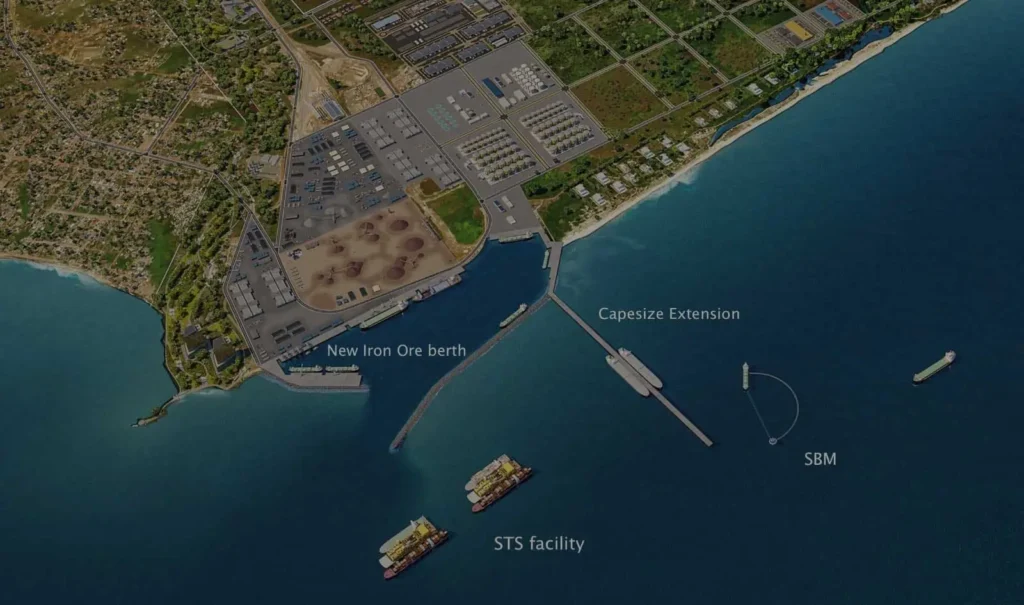
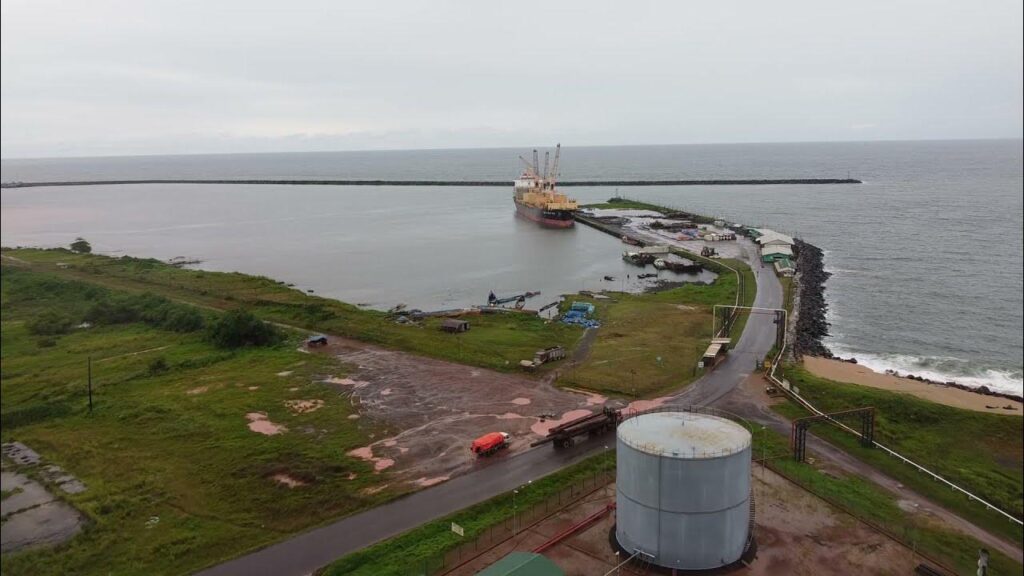
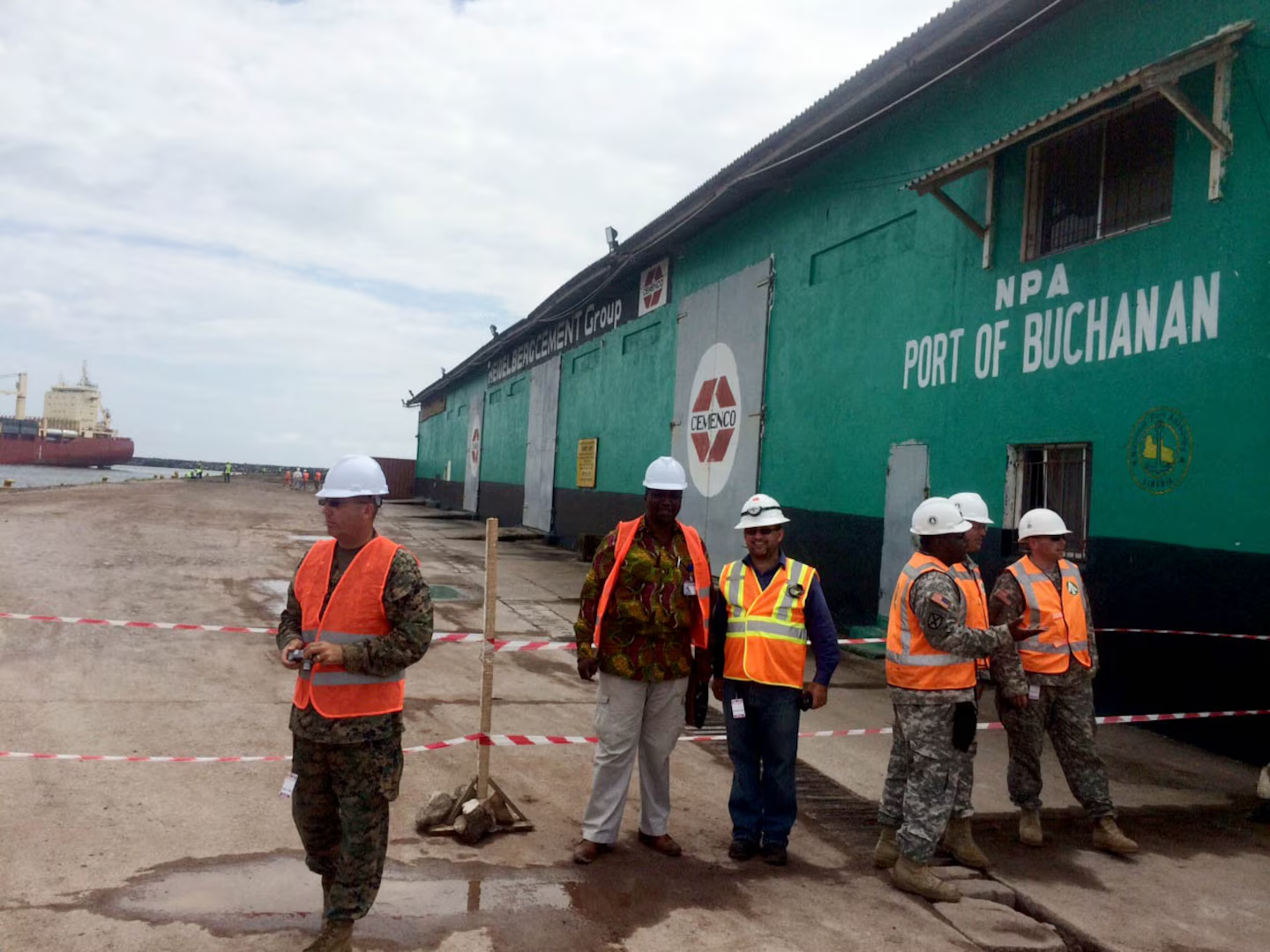
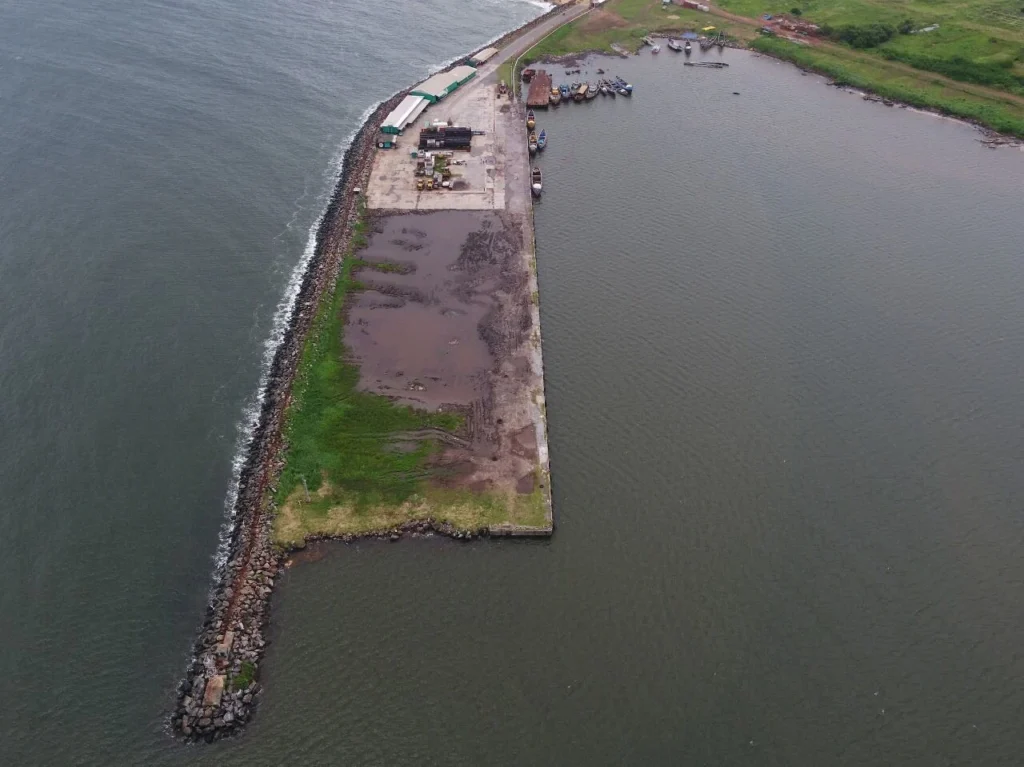
Grand Bassa County (population ~240,000+) is a prime agricultural zone with fertile soils and access to the Port of Buchanan.
The economy revolves around rubber, oil palm, cocoa, and subsistence crops. Residents face post-harvest losses due to limited storage and processing, but this is changing rapidly.
In 2026, the Liberia Special Economic Zones Authority (LSEZA) and African Development Bank advanced the Special Agro-Processing Zone (SAPZ) in Buchanan—expected to create 156,000 jobs and $150 million in investments through value addition in cassava, cocoa, palm oil, and more. Farming communities here produce abundantly but previously lacked markets; the zone addresses this directly.
Water Availability in Grand Bassa County
Grand Bassa County benefits from Liberia’s overall abundant water resources, characterized by high rainfall, numerous rivers, and accessible groundwater. The county is among Liberia’s wettest, receiving an average annual precipitation of approximately 2,813 mm (with peaks in September at ~510 mm and lows in January at ~32 mm), supporting lush tropical vegetation and rain-fed agriculture.
This places it in the high-rainfall coastal belt, where precipitation often exceeds 4,000 mm in some areas, though variability due to climate change (including altered patterns, intense events, and occasional dry-season disruptions) is increasing flood and erosion risks.
The county is richly endowed with surface water, crossed by major rivers including the St. John River (a key basin for irrigation and fertile alluvial soils), Farmington, Benson, Ilor, Timbo, Merchin, and New Cess Rivers.
These rivers provide estuaries, tidal creeks, and reliable flows for small-scale irrigation, especially in agriculture zones, though seasonal overflows can flood low-lying areas and damage roads during the rainy season (late June–October).Groundwater is generally accessible via shallow wells (high water tables in hard-rock aquifers), serving as the primary source for rural drinking water and small farms.
However, challenges persist: many rural communities rely on unprotected creeks or contaminated sources, leading to health issues from poor water quality. Access to improved/safe drinking water remains limited in parts of the county (historically around 33–44% in some areas), with ongoing issues of contamination, open defecation, and inadequate sanitation.
Recent initiatives include ArcelorMittal Liberia’s WASH projects (2024–2025) delivering high-capacity water tanks and facilities in Buchanan and surrounding communities, plus Liberia Water and Sewer Corporation (LWSC) efforts to expand piped water systems (with feasibility studies completed by 2025).
These improvements, combined with national policies, are gradually enhancing reliable access for households and agriculture—critical for scaling irrigation, reducing post-harvest losses, and supporting climate-resilient farming in Grand Bassa.
Venture Analysis: Agriculture as a Great Investment Project in Liberia
Why Agriculture is a Strong Venture in Liberia (and Especially Grand Bassa):
Strengths:
Vast arable land, favorable climate, young workforce, and government incentives (tax breaks up to 12.5% in deprived regions, duty-free imports for equipment). The $900M national program and SAPZ in Grand Bassa provide infrastructure, training, and market linkages.
Export demand for cocoa and palm oil is booming (EU imports tripled 2020–2024). Low land costs and smallholder integration allow scalable models. Abundant water resources further bolster potential for irrigated or rain-fed systems.
Opportunities:
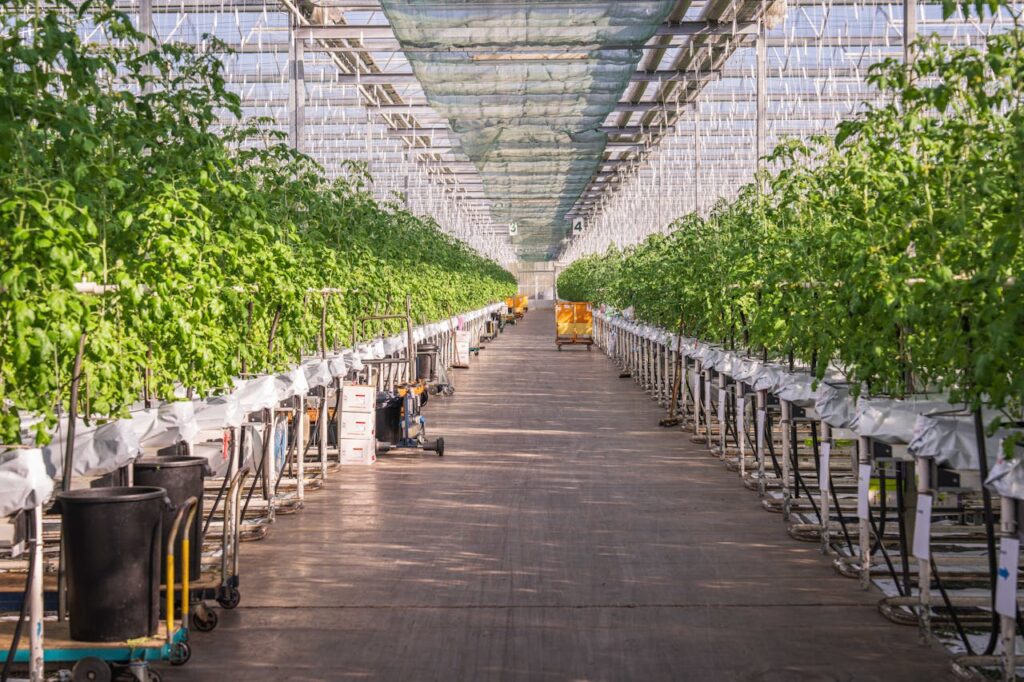
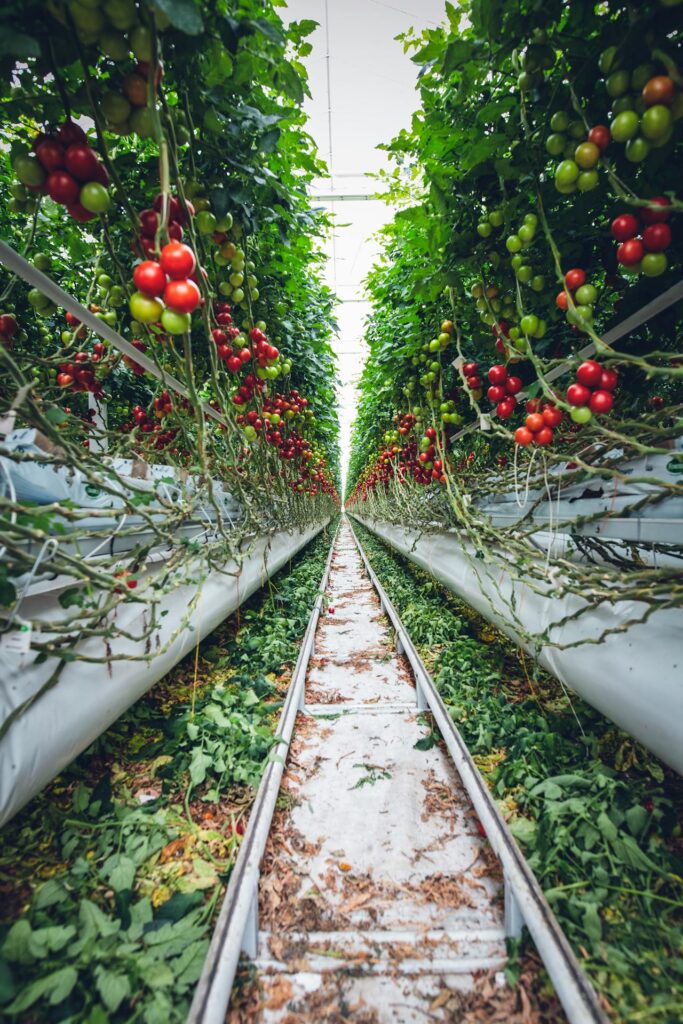
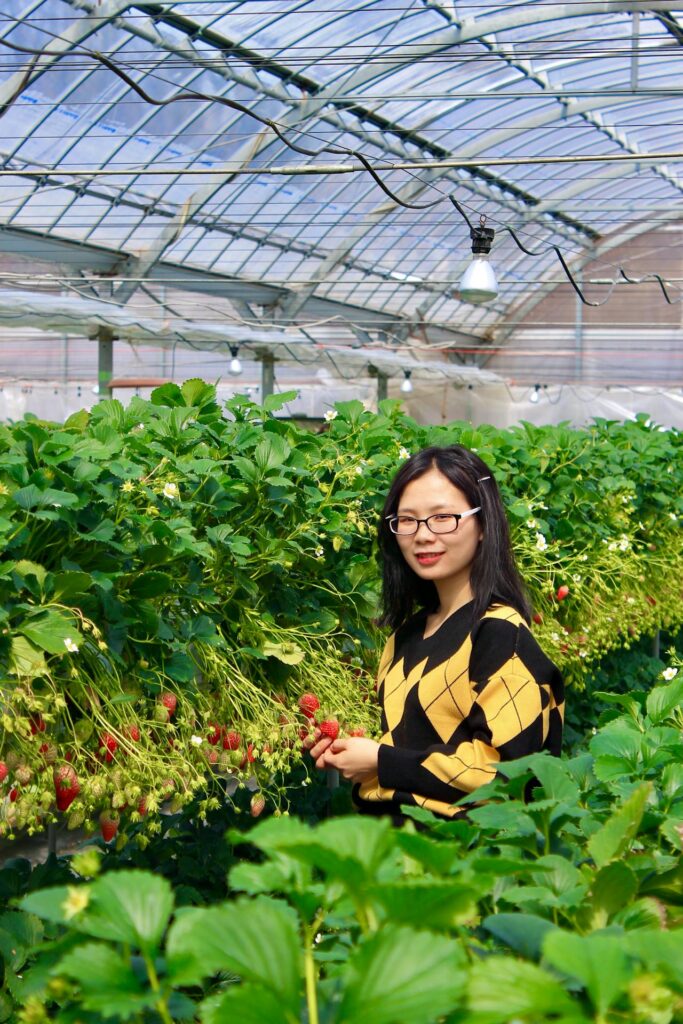
High potential for value addition—processing raw cocoa/palm into chocolate, oil, or flour multiplies revenue 3–5x. Rice self-sufficiency projects and mechanization reduce import dependence. Climate-smart options (greenhouses, irrigation) address variability. Public-private partnerships (e.g., AfDB, UNDP) de-risk entry.
Projected sector growth and stability create a favorable ROI environment (5–7% annual GDP contribution growth expected).
Challenges/Risks:
Low productivity, poor roads/storage, limited finance access, and skills gaps. Political stability is solid but governance/corruption requires due diligence. Climate change and deforestation need sustainable practices. Water quality and seasonal access issues in rural areas may require investment in boreholes or treatment.
Overall YTC Ventures Assessment: Highly promising (8/10).
With Liberia’s peace dividend, targeted policies, abundant water endowment in Grand Bassa, and the new processing hub, agriculture offers superior returns versus mining volatility.
Small-to-large investments ($500K–$20M) in processing or contract farming can yield quick scalability, job creation, and export revenues. Government alignment (ARREST Agenda) and international funding lower barriers.
This is not just viable—it’s strategic for food security and inclusive growth.
Recommended Agricultural Produce for Great Ventures
Focus on these high-potential areas, tailored to Grand Bassa’s strengths and national priorities:
- Rice and Cassava (Food Security + Processing): Mechanized farming or milling plants. Government targets self-sufficiency; high domestic demand and SAPZ storage/processing support. Low-risk entry with cooperatives.
- Cocoa and Oil Palm (Export/Value Addition): Plantations with fermentation/processing facilities. Cocoa’s global premium pricing and EU demand make this lucrative; traceability systems enable certified exports.
- Rubber and Coffee: Established markets; intercropping with food crops for diversified income.
- Emerging: Maize, Vegetables, or Greenhouse Horticulture: For urban markets and climate resilience.
Entry Strategy:
Partner with locals via outgrower schemes, leverage SAPZ incentives in Buchanan, secure microfinance/UNDP tools, and adopt sustainable practices (including water management like drip irrigation or rainwater harvesting).
Start with processing to capture margins.
Partnering with YTC Ventures: Systematic Investment Opportunities for International Investors
International investors seeking structured, low-risk entry into Liberia’s high-growth agriculture sector—particularly in Grand Bassa County’s fertile lands, abundant water resources, and the new Buchanan Special Agro-Processing Zone—are encouraged to partner with YTC Ventures.
With deep local expertise, regulatory navigation support, and proven models for foreign direct investment, YTC Ventures delivers end-to-end systematic investment solutions: from feasibility studies and land acquisition to outgrower partnerships, value-added processing setup, and export facilitation. Whether you are targeting Advanced Agriculture, Green House, AgriTech cocoa, oil palm, rice, or cassava projects with 5–7% annual sector growth potential, YTC Ventures ensures compliant, impactful, and profitable ventures aligned with Liberia’s ARREST Agenda and international standards.
Contact YTC Ventures today
Send e-mail to investments@ytcventures.com
www.ytcventures.com
to schedule a confidential consultation and unlock tailored opportunities in one of Africa’s most stable and investor-friendly agricultural frontiers.
Conclusion:
Liberia, and Grand Bassa County in particular, offers a compelling agricultural investment landscape grounded in stability, natural endowments (including exceptional water availability), and proactive policy. With GDP growth accelerating and infrastructure like the Buchanan SAPZ coming online, now is an opportune time for ventures that deliver profit alongside national development.
Investors seeking impact in Africa’s recovery story should prioritize Liberia’s farms and processing zones. For tailored feasibility studies or partnerships, consult the Ministry of Agriculture or LSEZA. Data current as of early 2026.
YTC Ventures recommend Investors should conduct independent due diligence.

Comments