
YTC Ventures | Internship Preliminary Research Analysis Paper by Sanchita, AI Intern – Water Monitoring System
Note: No Editor edits, published raw.
30 Jan 2026
Introduction
During my internship, I studied the concept of Water IoT Sensors used for measuring water quality and water quantity. The main purpose of this study was to understand how water parameters are measured using sensors and how this data is integrated into software systems like mobile and web applications.
Water monitoring is very important to avoid water wastage and to ensure safe water usage. Using IoT technology, water data can be collected automatically and viewed in real time.
Project Understanding
The idea of the project is to build a smart water monitoring system. In this system:
- Sensors are placed in water tanks or pipelines
- Sensors measure water condition and usage
- Data is sent to software using the internet
- Users can see water status in an app or web dashboard
This system helps users monitor water easily without manual checking.
Water Parameters Measured
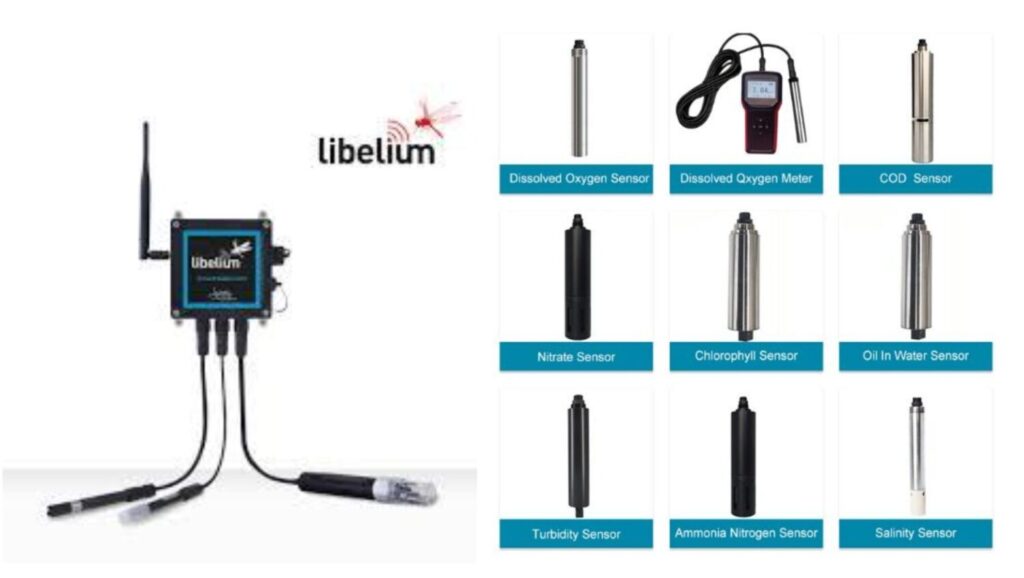
Water Quality Parameters
Water quality sensors are used to check whether water is clean and safe.
Price of Water IoT Sensors
During my study of water IoT sensors, I found that the cost of sensors mainly depends on their accuracy and brand. The commonly used water quality sensors are affordable and easily available in the market.
A pH sensor, which is used to measure whether water is acidic or basic, generally costs between ₹400 and ₹1,000.
A TDS sensor, used to measure the amount of dissolved solids in water, is slightly more expensive and usually costs around ₹1,200 to ₹1,400.
A turbidity sensor, which helps in checking how clear or dirty the water is, is available in the price range of ₹400 to ₹900.
A temperature sensor, used to measure water temperature, is the most affordable and typically costs between ₹50 and ₹300.
These sensors are suitable for small-scale projects, student projects, and basic industrial monitoring systems.
Price of Water Quantity Sensors
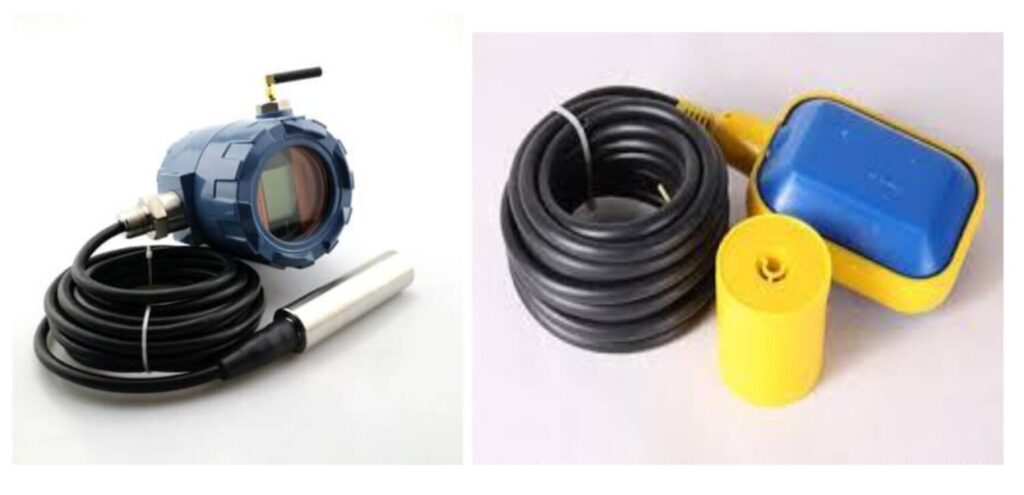
Water quantity sensors are used to measure how much water is flowing or how much water is present in a tank or pipeline. The price of these sensors depends on the brand, accuracy, and type of application.
A water flow sensor, which is used to measure the rate of water flow in pipes, usually costs between ₹200 and ₹2,500. Lower-cost sensors are suitable for basic projects and learning purposes, while higher-priced sensors offer better accuracy and durability for industrial use.
A water level sensor, which is used to detect the level of water in tanks or reservoirs, is generally affordable. Its price ranges from ₹100 to ₹500, making it suitable for student projects and small-scale monitoring systems.
Overall, the prices of water quantity sensors may vary based on the brand, quality, accuracy, and intended use of the sensor.
Parameters Measured by Each Water IoT Sensor
- pH Sensor – Measures how acidic or alkaline the water is.
- TDS Sensor – Measures the amount of dissolved salts and minerals in water.
- Turbidity Sensor – Measures the clarity or cloudiness of water.
- Temperature Sensor – Measures the temperature of water.
- Water Flow Sensor – Measures the rate of water flow in pipelines.
Water Level Sensor – Measures the water level in tanks or reservoirs.
Price of the Sensors
- pH Sensor: approximately ₹400 – ₹1,000
- TDS Sensor: approximately ₹1,200 – ₹1,400
- Turbidity Sensor: approximately ₹400 – ₹900
- Temperature Sensor: approximately ₹50 – ₹300
- Water Flow Sensor: approximately ₹200 – ₹2,500
Water Level Sensor: approximately ₹100 – ₹500
Devices Available in India
In India, the following water IoT sensors are easily available and commonly used for water monitoring:
- PH Sensor Modules – for checking water acidity
- TDS (Total Dissolved Solids) Sensors – for measuring dissolved particles
- Turbidity Sensors – for checking water clarity
- Temperature Sensors – for measuring water temperature
- Water Flow Sensors – for measuring water flow in pipes
- Water Level Sensors – for checking water level in tanks
These sensors can be purchased from Indian electronics stores and online platforms like Amazon, Robocraze, REES52, MakerBazaar, and local electronics markets. They can be used with microcontrollers such as Arduino and ESP32 for IoT projects.
Devices Available in the International Market
In the international market, a wide range of water IoT sensors and measurement devices are available, from basic to advanced industrial types:
- Multiparameter Water Quality Sensors – measure pH, conductivity, dissolved oxygen, etc., in one device
- Industrial pH Probes – high-accuracy pH measurement
- Professional TDS and Conductivity Sensors – more precise dissolved solids measurement
- Ultrasonic Water Level Sensors – contactless measurement of tank water level
- Electromagnetic Flow Meters – high-accuracy water flow measurement used in industries
- Optical / Laser Turbidity Sensors – very sensitive clarity measurement
These devices are provided by global technology manufacturers and are used in industrial, municipal, and scientific water monitoring systems. Prices are generally higher than basic sensors and vary based on accuracy, durability, and application.
How We Integrate Water IoT Sensors with Software – Basic Analysis
The process is simple and works in steps:
Visualization and Alerts:
The processed data is shown on a dashboard or mobile app. Users can see charts, daily usage, and alerts if something goes wrong (like unsafe water or high water flow).
Data Collection:
The sensors (pH, TDS, turbidity, flow, level, etc.) collect water data in real time. Each sensor sends its readings to a microcontroller like Arduino or ESP32.
Data Transmission:
The microcontroller sends this data to a server or cloud using the internet (Wi-Fi, GSM, or LoRa). The data is usually sent in JSON format, which is easy for software to read.
Data Processing:
The server stores the data in a database. The software then processes the data to check if the water is safe or if the water usage is normal.

Comments