
YTC Ventures | TECHNOCRAT MAGAZINE | www.ytcventures.com
30 Jan 2026
Quantum computing is no longer a futuristic concept; it is the frontier reshaping the global technological landscape. Unlike classical computers, which process bits as either 0 or 1, quantum computers leverage qubits, which can exist in multiple states simultaneously through superposition.
This unique capability allows quantum systems to tackle problems that are infeasible for even the most powerful traditional computers. From drug discovery to financial modeling and climate prediction, quantum computing promises a transformative impact across industries — a revolution that mirrors the scale of the first industrial revolution, but in the digital age.
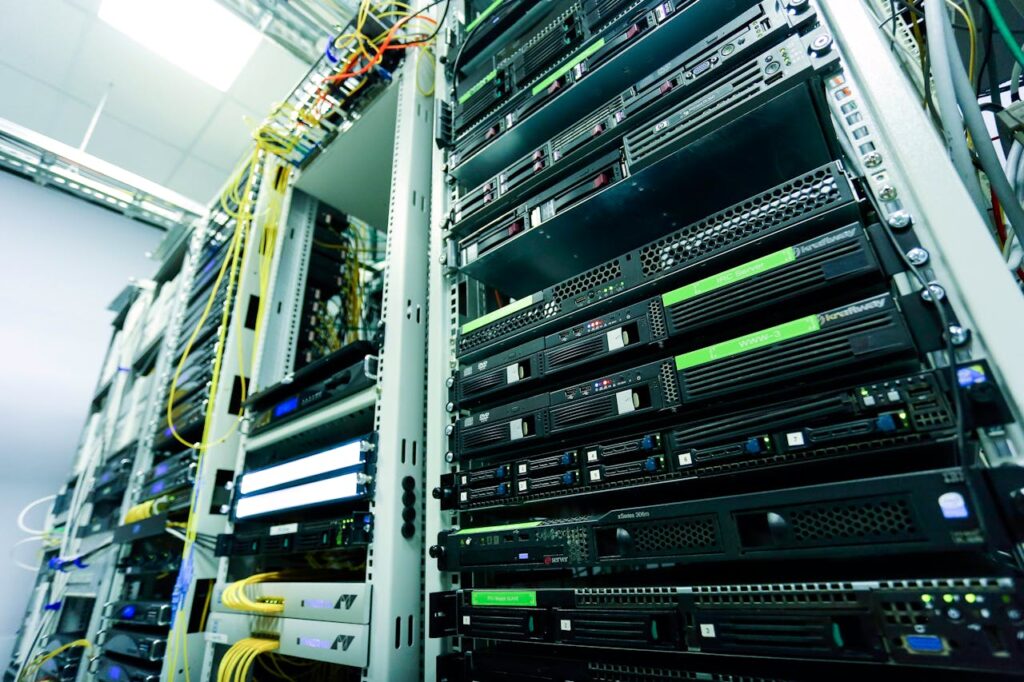
Understanding Quantum Computing: Beyond Classical Limitations
Traditional computing operates sequentially, solving problems one step at a time.
Quantum computing, in contrast, harnesses quantum superposition, entanglement, and interference to perform parallel calculations on an astronomical scale. This allows for the solution of complex problems, such as:
- Optimization tasks in logistics and supply chains
- Molecular simulations for pharmaceuticals and material sciences
- Cryptography challenges, including breaking and creating next-generation encryption
- Machine learning acceleration, enabling faster AI model training
This ability to compute exponentially faster than classical machines positions quantum computing as a foundational technology, capable of creating entirely new industries while revolutionizing existing ones.
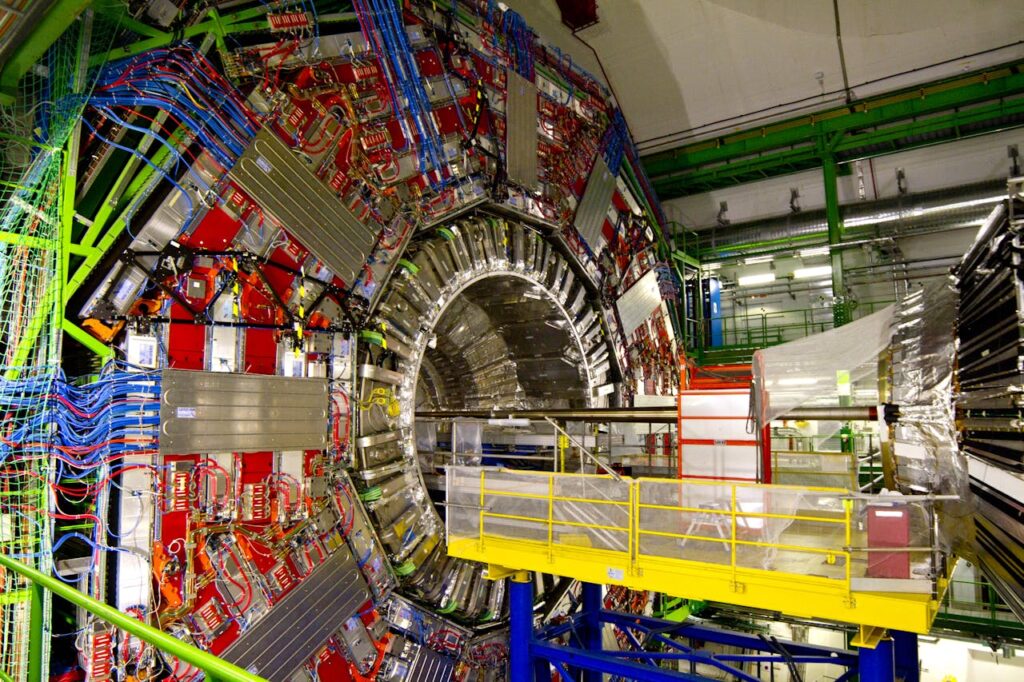
Quantum Computing and Industry Transformation
1. Healthcare and Pharmaceuticals
Drug discovery, traditionally a decade-long process, can be dramatically accelerated with quantum simulations.
Quantum algorithms can predict molecular interactions, optimize protein folding, and identify promising compounds in a fraction of the time, potentially saving billions in research costs and bringing life-saving treatments to market faster.
2. Finance and Risk Management
Quantum computers can process complex financial models, portfolio optimizations, and risk simulations more efficiently than classical systems. By analyzing massive datasets for correlations and predictions, financial institutions can make real-time, data-driven decisions with unprecedented accuracy.
3. Climate Modeling and Energy
Accurate climate prediction and energy optimization require analyzing vast, dynamic datasets. Quantum computing enables simulations of molecular and environmental systems at scales impossible today, helping governments and enterprises make better decisions on energy grids, emissions reduction, and sustainable development.
4. Logistics and Supply Chain Optimization
Global supply chains are highly complex, with countless variables and constraints. Quantum computing allows businesses to optimize routes, inventory management, and demand forecasting in real time, reducing costs and improving efficiency.
5. Cybersecurity
As classical encryption faces potential vulnerabilities, quantum computing introduces both challenges and solutions. Quantum algorithms can break current encryption, but quantum-based cryptography promises ultra-secure communication channels, redefining cybersecurity standards worldwide.

Challenges Ahead
Despite its transformative potential, quantum computing faces significant hurdles:
- Hardware limitations: Maintaining qubit stability (coherence) and error correction remains a technical challenge
- High costs: Quantum machines are expensive to build and maintain
- Skill scarcity: The field demands expertise in quantum physics, computer science, and mathematics
- Integration issues: Bridging quantum systems with classical IT infrastructure is complex
Yet, major corporations, governments, and startups are investing heavily, indicating confidence in the technology’s near-future scalability and impact.
The Road Ahead: A Quantum Industrial Revolution
Quantum computing is not just another technological trend; it is the foundation of the next industrial revolution. Just as steam engines, electricity, and computing transformed society in previous eras, quantum systems will redefine problem-solving, innovation, and productivity on a global scale. Early adopters and investors in this technology stand to gain a competitive edge across healthcare, finance, energy, AI, and more.
The revolution will be gradual but unstoppable — a convergence of science, industry, and visionary application that will redefine what is computationally possible and reshape the way humanity approaches complex challenges.
Conclusion
Quantum computing represents a paradigm shift — a new industrial revolution driven by the laws of physics rather than the limits of silicon. Its potential spans industries, economies, and scientific disciplines, promising breakthroughs that were once thought impossible. For innovators, entrepreneurs, and enterprises, the question is no longer if quantum computing will change the world, but when and how fast they can adapt to ride this transformative wave.

Comments