
YTC Ventures | TECHNOCRAT MAGAZINE | www.ytcventures.com
As India rings in 2026, the food delivery sector is boiling over with discontent. Delivery partners from Zomato, Swiggy, and Blinkit staged a massive New Year’s Eve strike in 2025, demanding fair pay, better working conditions, and genuine social security. Despite unions claiming widespread participation, platforms reported record-breaking orders—Zomato alone clocked 7.5 million deliveries, shrugging off the protests as minimal disruptions.
This clash highlights the dark underbelly of India’s booming gig economy, where 7.7 million workers fuel a multi-billion-rupee industry but grapple with exploitation, erratic earnings, and illusory benefits. With the government rolling out draft rules requiring 90 days of work for social security eligibility, the debate rages: Is this progress or just another band-aid?

The Grim Reality of Gig Work in India
India’s gig economy is exploding, projected to add 2 million jobs in 2026 alone, driven by platforms like Zomato and Swiggy. But beneath the growth lies hardship. Delivery partners often work 14-16 hours daily, earning as little as ₹5 per order after fuel and maintenance costs. Risks are high—rushing for 10-minute deliveries leads to accidents, with no guaranteed safety nets.
The new labor codes aim to provide social security, but critics argue they fall short on pay predictability and algorithmic transparency. States like Rajasthan and Karnataka have introduced welfare boards, yet enforcement remains spotty, leaving workers vulnerable to fatigue, debt, and deactivation without notice.
India’s Food Delivery Business Model: A Recipe for Dominance and Dispute
Zomato and Swiggy control over 90% of India’s organized food delivery market, operating a hyperlocal, commission-driven model. Restaurants pay 20-30% commissions per order, supplemented by advertising fees and subscription services like Zomato Gold or Swiggy One. Delivery partners are classified as independent contractors, not employees, allowing platforms to avoid benefits like pensions or paid leave. Revenue streams include delivery fees, surge pricing, and quick commerce expansions (e.g., Blinkit).
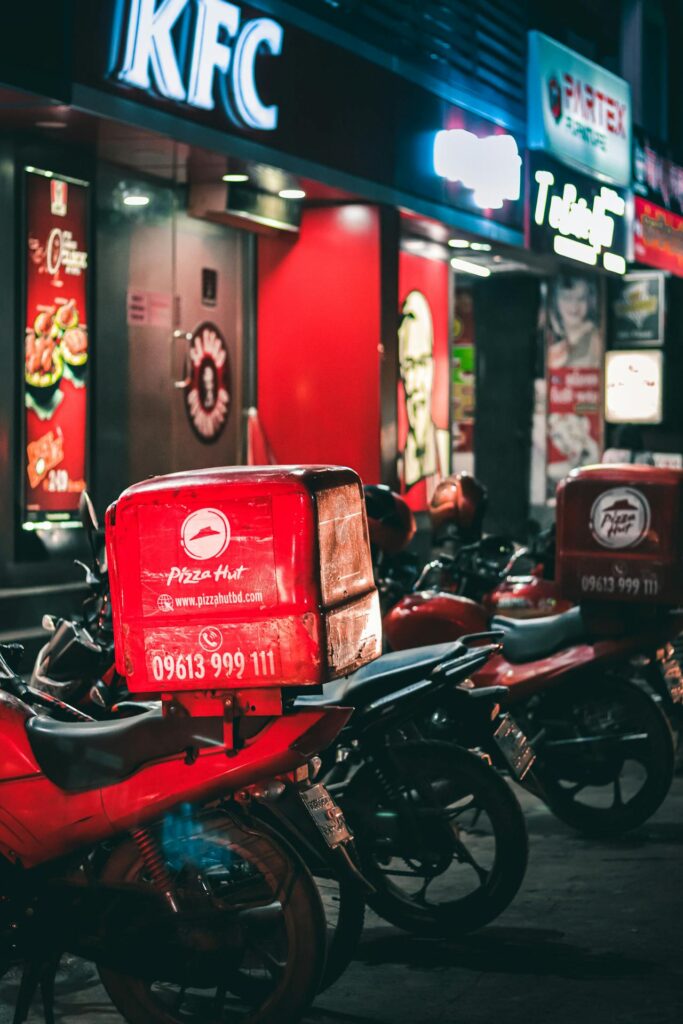
While this fuels rapid scaling—Zomato’s revenue doubled in recent years—it squeezes restaurants with thin margins and riders with inconsistent payouts. Critics call it a “necessary evil,” as platforms boost restaurant visibility but erode profits through heavy discounting funded by investor cash.
Zomato Strikes: From Hype to Fizzle?
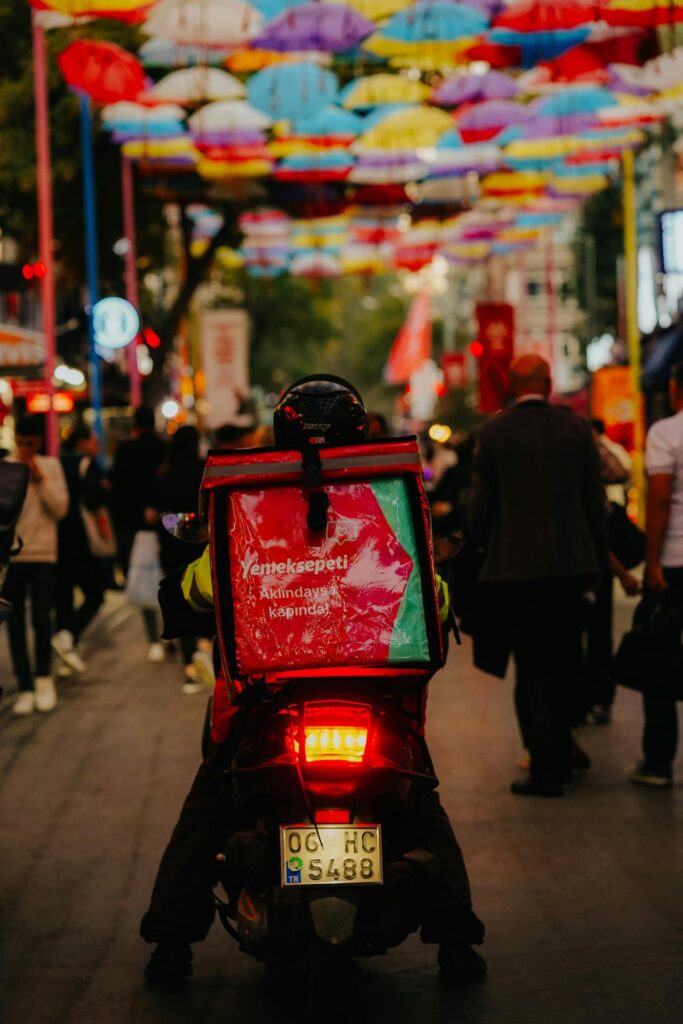
The December 31, 2025, strike, led by unions like IFAT and TGPWU, saw over 200,000 workers protest low pay, unsafe conditions, and “arbitrary” algorithms. Riders demanded minimum wages, accident insurance, and an end to 10-minute delivery pressures.
However, platforms countered with incentives—up to ₹4,000 bonuses—luring many to stay online. Zomato CEO Deepinder Goyal dismissed strikers as “miscreants,” claiming services were unaffected. Unions hailed it a success for raising awareness, but ground reports showed normal operations in cities like Kolkata.
Telangana Gig Workers Association: Calling Out the “Exploitation”
The TGPWU has been vocal, fact-checking Zomato’s claims.
They dispute Goyal’s ₹102/hour earnings figure, noting it drops to ₹50-60 after fuel (₹8,000-10,000 monthly). No paid leave, social security, or comprehensive accident cover exists, they say—insurance claims are bogged down in paperwork. Union leader Shaik Salahuddin slammed platforms for treating riders as “disposable data points,” urging recognition as employees.
They dismiss record NYE orders as exaggerated, insisting the strike highlighted systemic issues.
Fake Promises vs. Harsh Reality: Insurance and Benefits Under Scrutiny
Platforms like Zomato tout insurance and safety measures, but riders report a different story.
Claims are often denied due to “useless papers,” and coverage is limited—excluding many accidents. Fraud cuts both ways: Zomato fires 5,000 partners monthly for scams, while riders face fake refunds eroding trust. Unions accuse companies of inflating benefits to appease investors, masking the lack of real protections.
Truth vs. Fake Claims: A Breakdown
| Claim Category | Company Claim (Fake/Inflated) | Reality (Per Unions & Reports) |
|---|---|---|
| Hourly Earnings | ₹102/hour (Zomato) | ₹50-60 after fuel/expenses; 10-14 hour days yield ₹20,000-25,000 monthly |
| Insurance Coverage | Comprehensive accident/medical insurance | Limited; claims denied due to paperwork; no paid recovery time |
| Social Security | Platforms contribute to welfare funds | No paid leave, pensions; new rules require 90+ days work, but enforcement weak |
| Job Security | Flexible, merit-based | Arbitrary deactivations; 5,000 firings/month for “fraud”; no employee status |
| Delivery Safety | Algorithms optimize for safety | 10-min pressures force traffic violations; high accident risks without support |
Deep Dive: Zomato’s Financial Rollercoaster – Profits, Losses, and Investor Burn
Founded in 2008 as Foodiebay, Zomato has burned through billions to dominate India’s food tech.
Total funding raised: ₹15,453 crore over 22 rounds. Net Cumulative Loss ≈ 9,650. Early years focused on discovery; pivots to delivery post-2015 fueled losses. Cash burn peaked at $64 million in FY16, dropping to $12 million by FY17 as efficiencies kicked in.
Cumulative losses exceed ₹10,000 crore, with quick commerce (Blinkit) alone burning ₹5,000 crore quarterly industry-wide. Investor “burn” – funds deployed minus current value – is massive, but Zomato turned profitable in FY24 amid cost cuts and Blinkit integration.
Year-Wise Profit/Loss (₹ Crore, Approximate)
| Year | Revenue | Profit/Loss | Key Notes |
|---|---|---|---|
| 2008-2014 | <100 | Losses ~₹500 cumulative | Startup phase; minimal revenue |
| FY15 | 96 | Loss ₹429 | Entry into delivery |
| FY16 | 184 | Loss ₹492 | High burn on expansion |
| FY17 | 332 | Loss ₹389 | Cash burn reduced 81% |
| FY18 | 466 | Loss ₹106 | International exits |
| FY19 | 1,313 | Loss ₹1,010 | Uber Eats acquisition |
| FY20 | 2,605 | Loss ₹2,386 | COVID impact |
| FY21 | 1,994 | Loss ₹816 | Recovery begins |
| FY22 | 4,192 | Loss ₹1,222 | IPO year |
| FY23 | 7,079 | Loss ₹971 | Blinkit acquisition |
| FY24 | 12,114 | Profit ₹351 | First full-year profit |
| FY25 (Proj.) | ~15,000 | Profit ~₹500+ | Q-com growth |
Zomato Financial Summary:
Cumulative Losses, Profits, and Operational History Zomato was founded in July 2008 and has been in operation for 17.5 years as of January 2026 (from mid-2008 to early 2026).
| Metric | Amount (₹ Crore) | Details |
|---|---|---|
| Total Cumulative Losses | ≈ 10,500 | Sum of net losses from FY15 to FY23, plus early startup phase losses (pre-FY15 estimated at ~₹500 crore) |
| Total Profits | ≈ 850 | FY24 profit ₹351 crore + estimated FY25 profit ~₹500 crore |
| Net Cumulative Loss | ≈ 9,650 | Total losses minus total profits to date |
| Total Years of Operation | 17.5 years | July 2008 – January 2026 |
Key Insights:
- For the first 15 years (2008–2023), Zomato operated at a continuous loss, burning investor capital to fuel aggressive growth, acquisitions (like Uber Eats and Blinkit), and deep discounts.
- Profitability was achieved only in the last 2 years (FY24 and FY25), marking a major turnaround driven by cost-cutting, higher take-rates, Blinkit’s contribution, and improved contribution margins.
- Despite recent profits, the company still carries a net cumulative loss of approximately ₹9,650 crore, meaning investor money burned far exceeds earnings generated so far.
This underscores a classic growth-at-all-costs tech model: massive upfront losses to capture market share, followed by a pivot to profitability once dominance is secured. While Zomato has finally turned the corner, gig workers and restaurant partners continue to bear much of the cost of that earlier expansion.
Operational Analysis: The Cash Burn Machine
Zomato’s ops hinge on a lean model: 4.5 lakh active riders, AI-driven logistics, and dark stores for quick commerce.
But inefficiencies abound—delivery costs often exceed commissions, with 90% discounts funded by VCs. Cumulative investor burn: Over ₹10,000 crore in losses, offset by market cap growth to ₹2 lakh crore+.
Early backers like Info Edge cashed out big, but late-stage investors endured volatility. Management take-home: CEO Goyal waived his ₹3.5 crore salary since 2021, extending to FY26—symbolic, given his 4.18% stake worth billions. Other execs earn ₹1-2 crore annually, modest for the scale but criticized amid worker woes. Zomato’s journey from cash-guzzler to profit-maker is impressive, but at what cost?
As strikes simmer, the gig model’s sustainability hangs in the balance. Will 2026 bring real reform, or more empty calories?

Comments