
YTC Ventures | TECHNOCRAT MAGAZINE | www.ytcventues.com
4 Jan 2025
[gspeech]
In a stunning escalation of U.S.-Venezuela tensions, President Donald J. Trump announced on January 3, 2026, that American forces had captured Venezuelan President Nicolás Maduro in a daring overnight operation codenamed Operation Absolute Resolve. Maduro, long accused by the U.S. of leading a narco-terrorist regime, was seized from a fortified compound in Caracas and flown to New York to face federal charges. The raid, involving elite Special Operations forces, CIA intelligence, and overwhelming air support, has sparked global outrage, legal debates, and questions about the future of Venezuelan sovereignty.
This in-depth analysis explores the operation’s intricacies, geopolitical backdrop, legal justifications, and far-reaching implications.
The Operation: A High-Stakes Raid in the Dead of Night
The capture unfolded in the early hours of January 3, 2026, at approximately 2 a.m. local time in Caracas. Approved by President Trump just hours earlier on January 2 at 10:46 p.m. ET, the mission was the culmination of months of planning, intelligence gathering, and military buildup in the region.
Over 150 aircraft, launched from 20 bases across the Western Hemisphere, dismantled Venezuela’s air defense systems, paving the way for helicopters carrying Delta Force operators and FBI agents to infiltrate the capital.Key to the success was a CIA team and a high-level source embedded within Maduro’s inner circle.
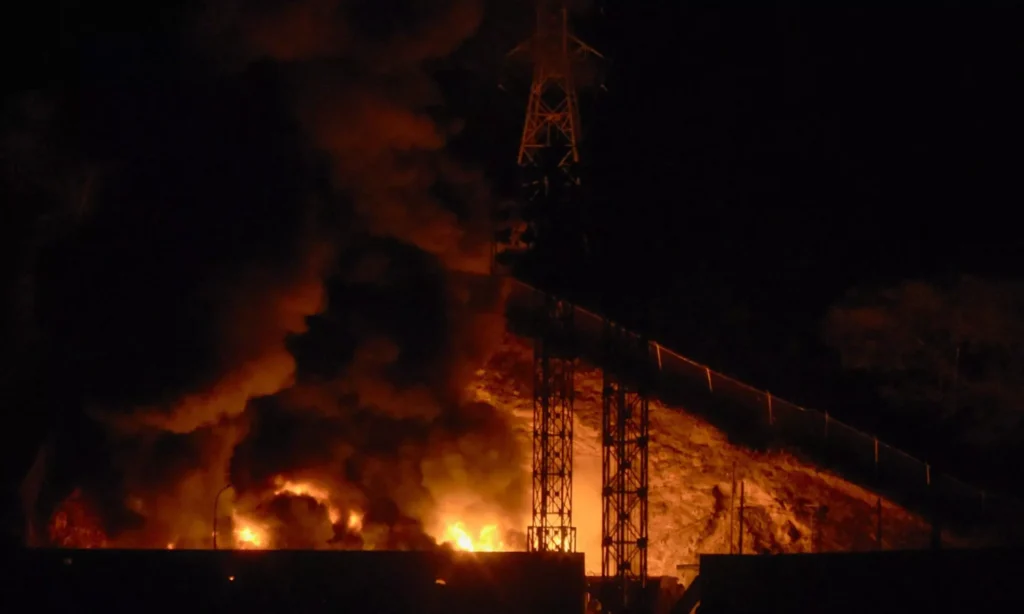
This informant, recruited amid a $50 million U.S. bounty on Maduro, provided real-time location data, allowing forces to zero in on his heavily guarded compound—described as a “fortress” with layered security. As helicopters hovered at low altitude (around 100 feet over water to evade radar), supported by drones, bombers, and fighter jets, the team breached the perimeter despite incoming fire.Inside, Maduro attempted to flee to a safe room protected by steel doors, a panic measure designed to withstand assaults. However, U.S. forces moved with such speed that they intercepted him before he could secure himself, as Trump later boasted: “He tried to reach a safe place behind all steel doors, but our personnel were so fast.” Maduro and his wife, Cilia Flores, surrendered without further resistance.
No U.S. fatalities occurred, though some service members sustained non-life-threatening injuries.A fateful phone call added intrigue to the prelude. Maduro had publicly referenced a November 21, 2025, conversation with Trump, during which offers for a peaceful resolution were allegedly discussed—but denied recent talks.
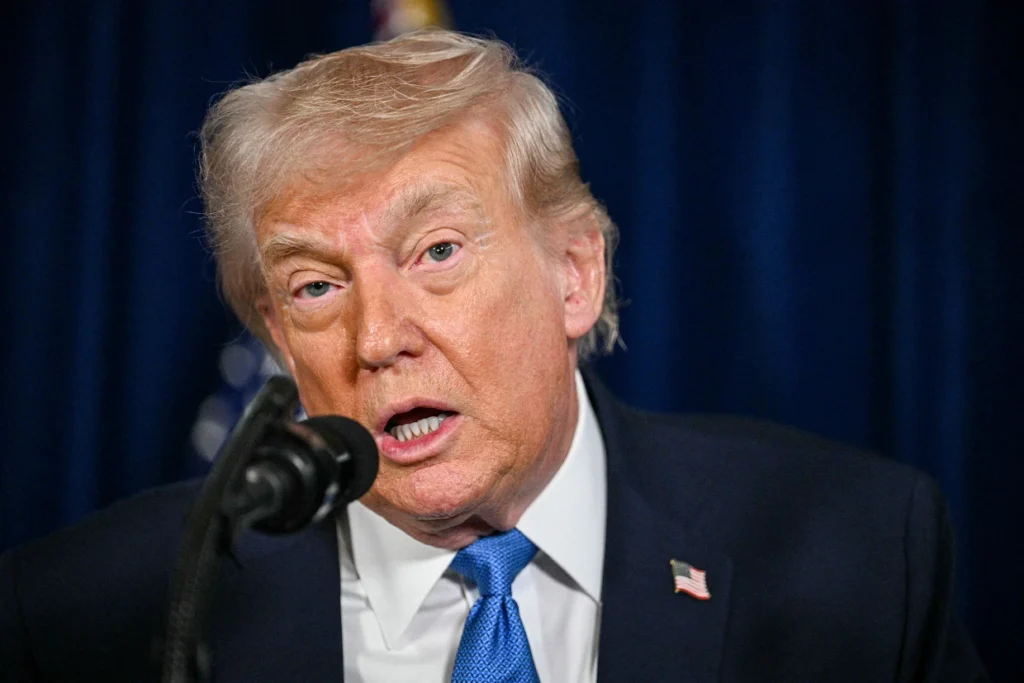
This call may have been part of U.S. psychological operations to lure Maduro into a false sense of security.Post-capture, Maduro and Flores were transported to the USS Iwo Jima, then flown to New York Stewart International Airport.
By evening, a helicopter delivered them to Brooklyn’s Metropolitan Detention Center, where Maduro awaits arraignment on January 6. Trump declared the U.S. would temporarily “run” Venezuela to stabilize it, focusing on oil infrastructure and a transition to opposition figures like Edmundo González or María Corina Machado.
Geopolitical Context: From Sanctions to Strikes
This operation didn’t emerge in a vacuum. U.S.-Venezuela relations have deteriorated since Maduro’s 2013 rise, marked by disputed elections, economic sanctions, and accusations of human rights abuses.
The Biden administration labeled Maduro’s 2024 reelection fraudulent, while Trump, upon returning to office, intensified pressure through naval deployments (e.g., USS Gerald R. Ford) and strikes on over 30 alleged drug-smuggling vessels since September 2025, killing more than 110 people.Maduro’s regime was accused of colluding with groups like the FARC, Sinaloa Cartel, and Tren de Aragua (designated a terrorist organization) to flood the U.S. with cocaine, exacerbating the opioid crisis.
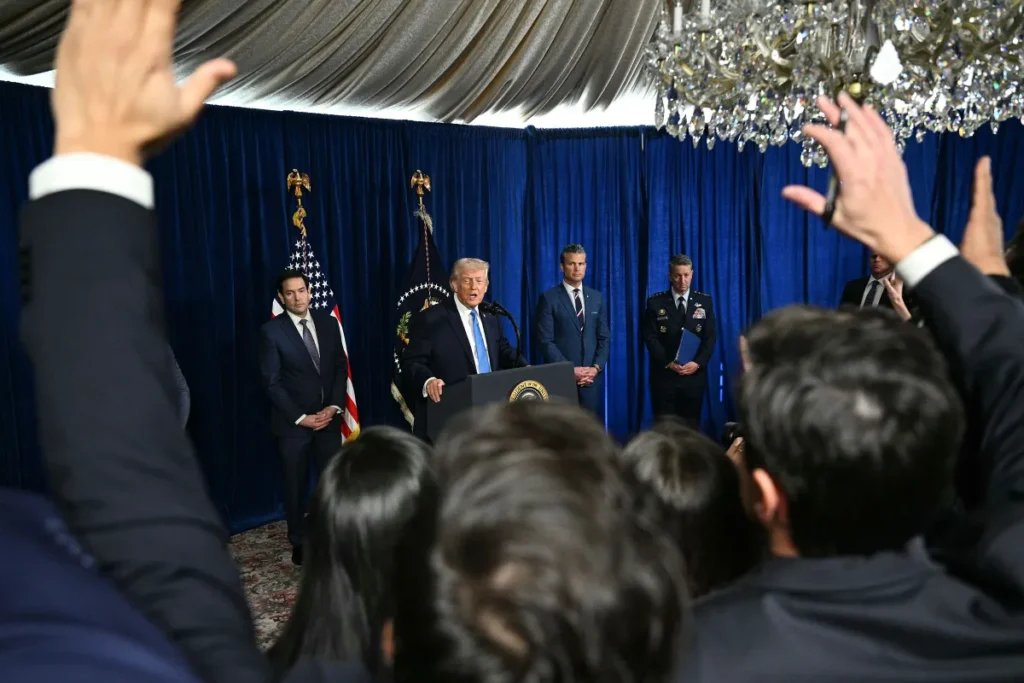
Geopolitically, Venezuela’s alliances with Russia, Iran, and China—providing military aid and economic lifelines—positioned it as a hemispheric flashpoint. Russia’s condemnation and Iran’s vow of retaliation highlight risks of broader conflict, while the EU and UN have urged restraint.In Venezuela, reactions are mixed: Opposition celebrates “freedom,” but pro-Maduro forces, under acting President Delcy Rodríguez, have declared a state of emergency and mobilized defenses. Social media buzzes with hashtags like #MaduroCaptured and #OperationSouthernSpear, reflecting global discourse.
Legal Analysis: Justifications vs. International Law
The U.S. frames the capture as a “law enforcement action” against an indicted fugitive, not regime change, bypassing congressional approval under the War Powers Resolution.
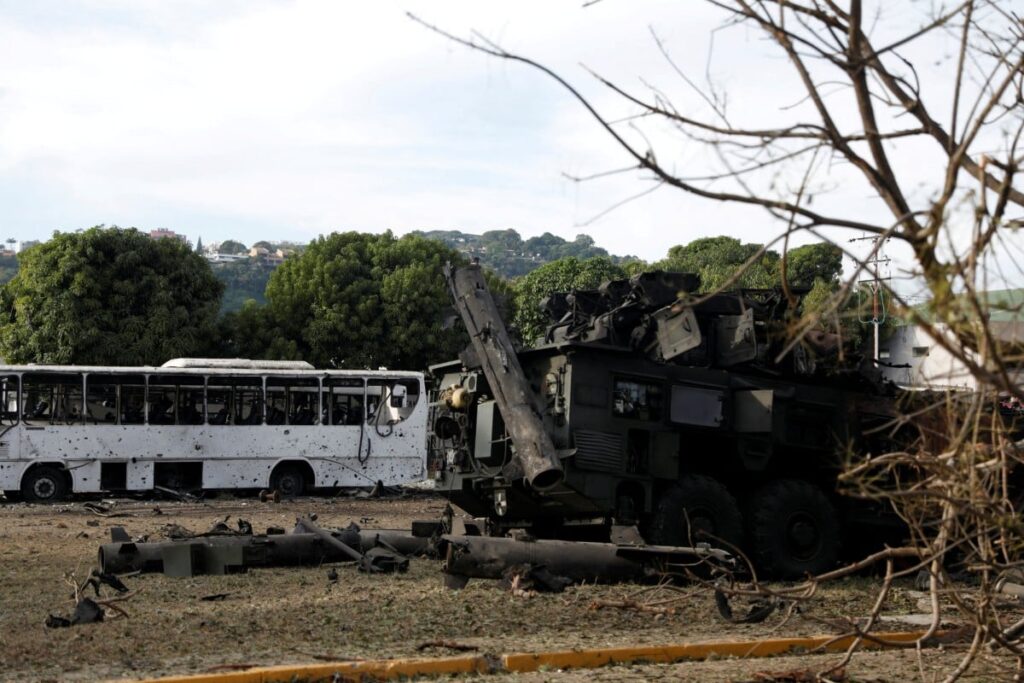
Officials cite Maduro’s 2020 indictment (superseded in 2026) for narco-terrorism and drug trafficking, arguing it authorizes extraterritorial arrest. Critics, including legal experts, decry it as a violation of the UN Charter’s prohibition on force against sovereign states (Article 2(4)), labeling it an “act of war.”
Below is a table summarizing key legal clauses invoked or relevant to the U.S. action against Maduro:
| Legal Clause/Statute | Description | Relevance to U.S. Action | Justification |
|---|---|---|---|
| 21 U.S.C. § 960a (Narco-Terrorism) | Prohibits engaging in terrorist activities financed by drug trafficking. | Maduro accused of conspiring with FARC to traffic cocaine, using proceeds for terrorism; basis for 2020/2026 indictments. | Frames regime as criminal enterprise. |
| 21 U.S.C. §§ 952, 959, 960, 963 (Conspiracy to Import Cocaine) | Criminalizes importation, manufacture, or distribution of controlled substances across borders. | Charges Maduro with facilitating thousands of tons of cocaine into the U.S. via cartels. | Justifies “law enforcement” raid. |
| 18 U.S.C. § 924(c) (Possession of Machine Guns/Destructive Devices) | Penalizes use of firearms in drug trafficking crimes. | Maduro and associates charged with arming cartels; ties to weapons possession. | Supports military support for arrest. |
| U.S. Constitution, Article II | Grants president commander-in-chief powers over armed forces. | Trump cites inherent authority to protect U.S. personnel and combat threats like drug trafficking. | Rationale; no congressional authorization needed for “limited” ops. |
| Foreign Terrorist Organization (FTO) Designation | Under 8 U.S.C. § 1189, allows sanctions and actions against designated groups. | Tren de Aragua labeled FTO; Maduro linked via indictments. | Enables “new options” for military action against associated regimes. |
| UN Charter, Article 2(4) (Prohibition on Use of Force) | Bans threat or use of force against territorial integrity. | Critics argue U.S. violated this; no UN Security Council approval. | International law counterpoint; deemed illegal by experts. |
These clauses form the U.S.’s domestic legal backbone, but internationally, the action sets a “dangerous precedent,” per human rights groups.
Implications: A New Era for the Americas?
Maduro’s capture could reshape Latin America: U.S. control over Venezuela’s oil reserves (the world’s largest) promises economic boons but risks proxy conflicts with Russia and Iran.
Domestically, it bolsters Trump’s “America First” agenda but invites congressional scrutiny and potential impeachment debates.
For Venezuelans, it offers hope for democracy amid chaos—protests erupt in support and opposition.As the dust settles, this event underscores the blurred lines between justice and interventionism. Will it lead to stability or escalation?
The world watches.#Venezuela #MaduroCaptured #OperationAbsoluteResolve #Geopolitics #USForeignPolicy

Comments