
YTC Ventures | Technocrat’ Magazine | www.ytcventures.com
2 Jan 2026
The Switzerland Blast: Unpacking the Incident
On the night of December 31, 2025, what should have been a joyous New Year’s Eve celebration turned into a nightmare at Le Constellation bar in the upscale ski resort of Crans-Montana, Switzerland.
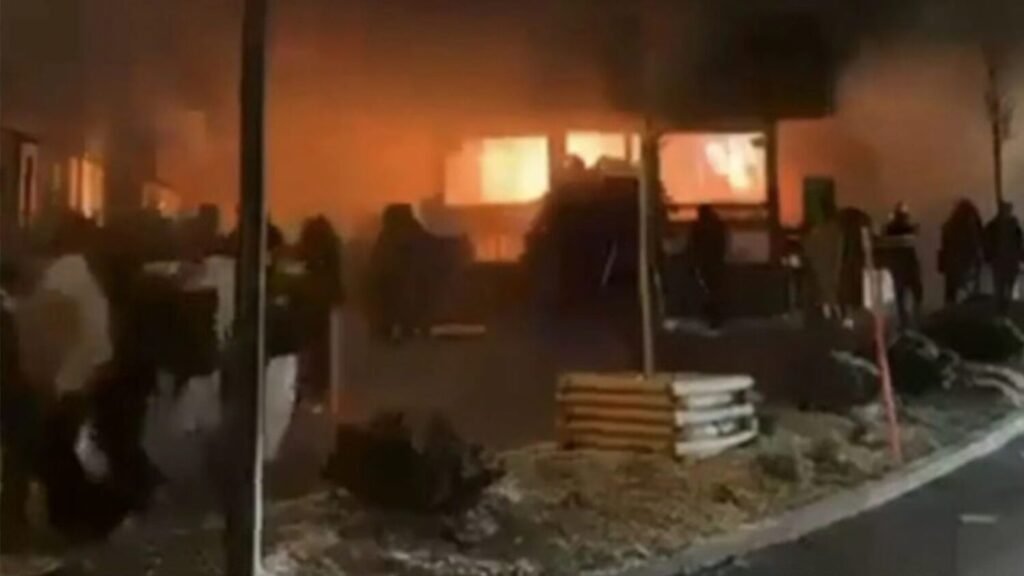
Around 1:30 a.m. local time, a massive fire erupted, fueled by what authorities believe was an accidental explosion. The blaze rapidly engulfed the crowded venue, packed with revelers ringing in 2026 with champagne, music, and fireworks.

Who Was Responsible?
Initial speculation on social media and early reports hinted at possible foul play, with some suggesting terrorism or intentional sabotage. However, Swiss police quickly ruled out terrorism or any deliberate act.
No group or individual has claimed responsibility, and investigations point firmly to an accident. Eyewitness accounts and preliminary findings suggest the fire may have started from mishandled pyrotechnics, such as fireworks, flare guns, or even birthday candles placed on champagne bottles that ignited the ceiling.
This aligns with reports of “champagne sparklers” sparking the disaster. In essence, no “who” in the sense of a perpetrator—human error during festivities appears to be the culprit.
Why Did It Happen?
The “why” boils down to a perfect storm of holiday exuberance and safety lapses. New Year’s Eve parties often involve fireworks and pyrotechnics, which, when combined with alcohol and crowded indoor spaces, create high-risk environments.
Witnesses described a chaotic scene where flames spread rapidly through the bar, turning a luxury resort hotspot into a “disaster zone.” Overcrowding—with more than 100 people inside—likely exacerbated the panic and escape challenges. This incident echoes similar tragedies, like nightclub fires in other countries, where lax enforcement of fire codes during peak celebrations plays a role. Broader factors, such as climate-driven dry conditions or material flammability in alpine structures, may have contributed, though not confirmed yet.
Casualties and Property Damage
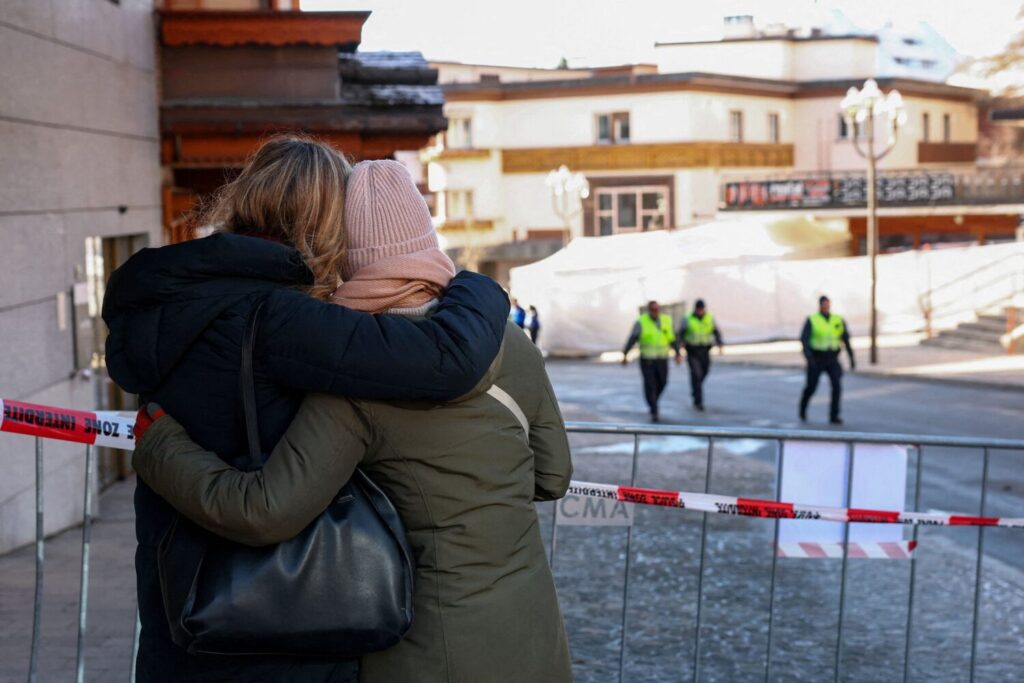
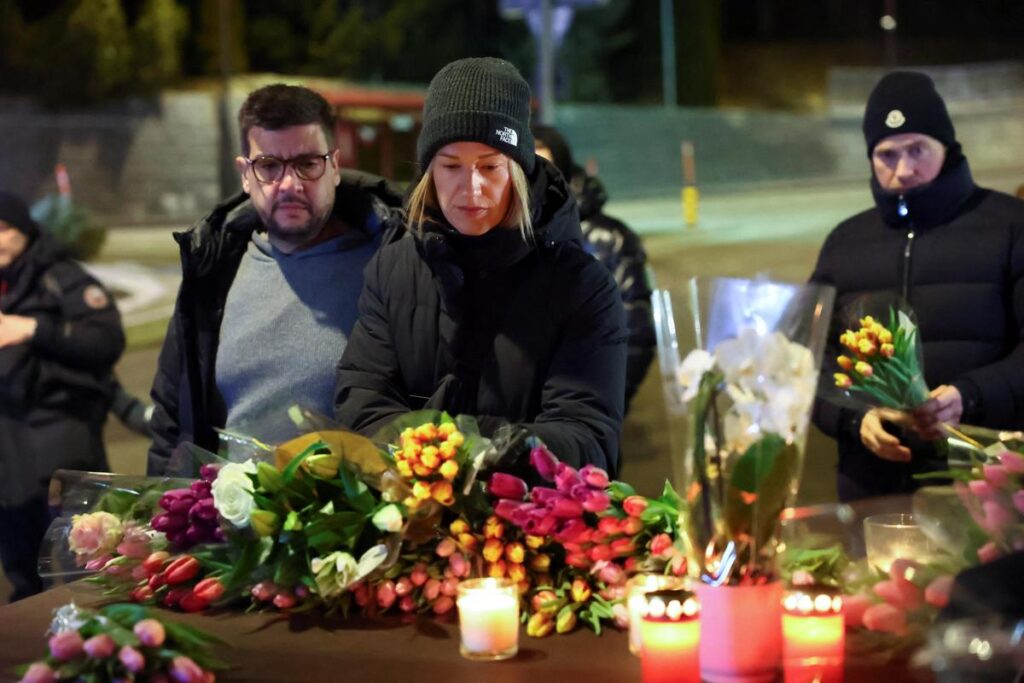
The human toll is staggering: Approximately 40 people lost their lives, with around 115 injured, many suffering severe burns that overwhelmed local hospitals. Victims included locals and tourists.
The bar itself, Le Constellation, was completely destroyed in the blaze, representing significant property loss in one of Switzerland’s premier ski destinations. Economic ripple effects could hit the local tourism industry, already sensitive to safety perceptions in high-end resorts like Crans-Montana.
Global Mishaps in 2026: A Snapshot of Early-Year Incidents and Risks
While 2026 is just beginning (as of January 2), the Swiss blast marks one of the first major tragedies.
Worldwide, the year is already projected to face amplified risks from climate shocks, geopolitical tensions, and technological vulnerabilities.
Below is a table summarizing key mishaps and predicted disasters based on available data—focusing on actual events so far and high-risk forecasts for the year.
Note: With only two days into 2026, “mishaps” are limited, but projections highlight potential hotspots.
| Date/Event | Location | Description | Casualties/Property Loss | Notes |
|---|---|---|---|---|
| Dec 31, 2025 (NYE into 2026) | Crans-Montana, Switzerland | Bar fire/explosion during celebrations, likely pyrotechnics-related | ~40 dead, 115 injured; Bar destroyed | Accidental; investigation ongoing |
| Early 2026 (Projected) | Global (La Niña impacts) | Widespread flooding and climate shocks | Potentially millions displaced; Economic losses in billions | Increased flood risks |
| Ongoing into 2026 | Sudan, Syria, Gaza | Humanitarian crises escalating with conflict and disasters | Millions affected; Infrastructure devastation | Top crises list: Sudan #1 |
| Projected 2026 | Worldwide (Cyber) | Cyberattacks and AI-related disruptions | Data breaches, economic sabotage | Top risk includes systemic cyber threats |
| Projected 2026 | Pacific Ring of Fire | Earthquakes and volcanic activity | Variable; Potential for major quakes | Warn of “crazy” winter disasters |
| Projected 2026 | Global supply chains | Disruptions from conflicts, disasters, strikes | Economic losses; Shortages in key sectors | “Perfect storm” of shocks |
This table draws from predictive reports, as actual large-scale mishaps beyond the Swiss incident are not yet reported.
Experts warn 2026 could be a “worst year ever” due to overlapping crises like population pressures and natural disasters.
The World’s Response
Global reactions have been swift but measured. Leaders from the EU, US, and beyond expressed condolences, with Swiss authorities launching a full probe. Hospitals in the Valais region treated burn victims, with international aid offered for forensics if needed. Social media buzzed with prayers and speculation, while major media outlets provided live updates.
Broader responses include calls for stricter pyrotechnics regulations in Europe, mirroring post-tragedy reforms elsewhere. On X, discussions ranged from safety tips to unfounded terror theories, highlighting misinformation challenges.

The Role of Technocrat Magazine in the New World
In an era of rapid change, outlets like Technocrat’ Magazine—rooted in the 1930s Technocracy movement—could play a pivotal role. Founded amid the Great Depression, it advocated for governance by scientists and engineers over politicians, emphasizing efficient, data-driven systems.
Though largely historical (with issues from 1933–1940 archived), its ideas resonate in today’s “new world” of AI, climate crises, and technocratic trends.
A revival could position it as a voice for expert-led solutions to disasters like the Swiss blast—promoting tech for fire prevention or global risk modeling. In a technate vision, incidents like this would be minimized through engineered societal planning.
The Global Scene: Emerging Leaders, Thinkers, and Doers Shaping the New Earth
As 2026 unfolds, the world is witnessing a shift toward collaborative, innovative leadership.
Forums like the World Leaders Convention 2026 and London Tech Week are hubs for “thinkers and doers” tackling AI, climate, and equity.
Key figures include:
- AI Visionaries: Leaders pushing ethical AI to mitigate cyber risks.
- Climate Changemakers: Innovators forging partnerships for sustainable resilience.
- Global Gurus: Top thought leaders addressing catastrophic risks like biodiversity loss.
- Tech Entrepreneurs: Figures shaping Europe’s “decisive decade” through business-tech fusion.
These manifestations—from funded youth programs at the World Leadership Forum to cross-sector collaborations—signal a “new earth” where expertise trumps ideology. In the wake of tragedies like Switzerland’s, they could drive reforms, blending technocracy’s efficiency with humanistic goals for a safer, more equitable planet.

Comments