
YTC Ventures | Technocrat’ Magazine
November 21, 2025
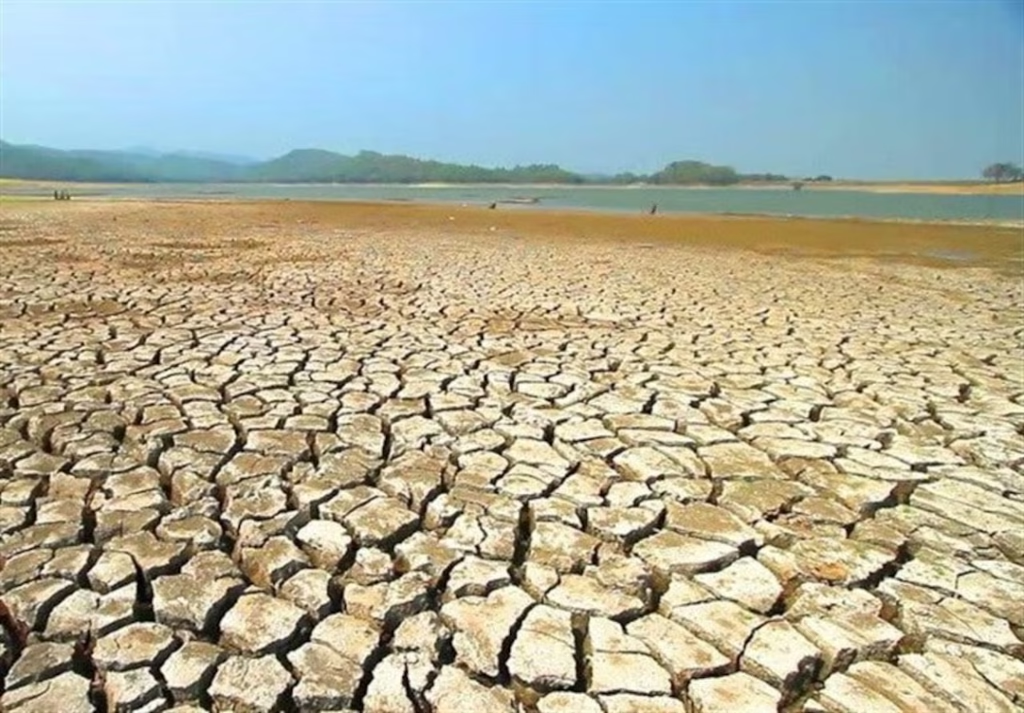
In the shadow of ancient Persian aqueducts and bustling bazaars, Iran is staring down a catastrophe etched in cracked earth and empty reservoirs. As of this week, taps in Tehran—the teeming capital home to over 10 million souls—run dry for hours each day, forcing families to queue for tankers under a merciless sun.
President Masoud Pezeshkian has issued a stark warning: without rain by December, evacuation may be the only option. This isn’t hyperbole; it’s the harsh reality of Iran’s worst water crisis in half a century, a perfect storm of drought, war scars, and decades of folly that’s now trending worldwide. From X posts decrying “water bankruptcy” to UN alerts on global scarcity, the conversation is ablaze: How did a land once famed for its qanats (underground channels) reach this brink? And what lessons does it hold for a parched planet?
The Perfect Storm: Why Iran’s Water Is Vanishing
Iran’s crisis didn’t erupt overnight; it’s the culmination of environmental betrayal and policy paralysis. At its core lies a six-year mega-drought, the longest in 50 years, amplified by climate change. Rainfall this fall? A measly 2.3mm—81% below average—leaving reservoirs like the Amir Kabir Dam, which feeds Tehran, at skeletal levels. Add scorching heatwaves topping 50°C this summer, and evaporation rates have skyrocketed, shrinking lakes like Urmia from the Middle East’s largest to a salty ghost plain.But nature isn’t the sole villain.
Human hands have dug the grave deeper. Agriculture guzzles 90-93% of Iran’s water, yet it yields just 12% of GDP, thanks to outdated flood irrigation for thirsty crops like rice and wheat in a desert nation. Illegal wells—over 500,000 unregulated—drain aquifers at unsustainable rates, causing land subsidence up to 20cm annually in Tehran. Mismanagement reigns: fragmented governance, a “water mafia” of influential insiders, and over 600 dams built since the 1960s that trap silt and disrupt flows without replenishing groundwater.
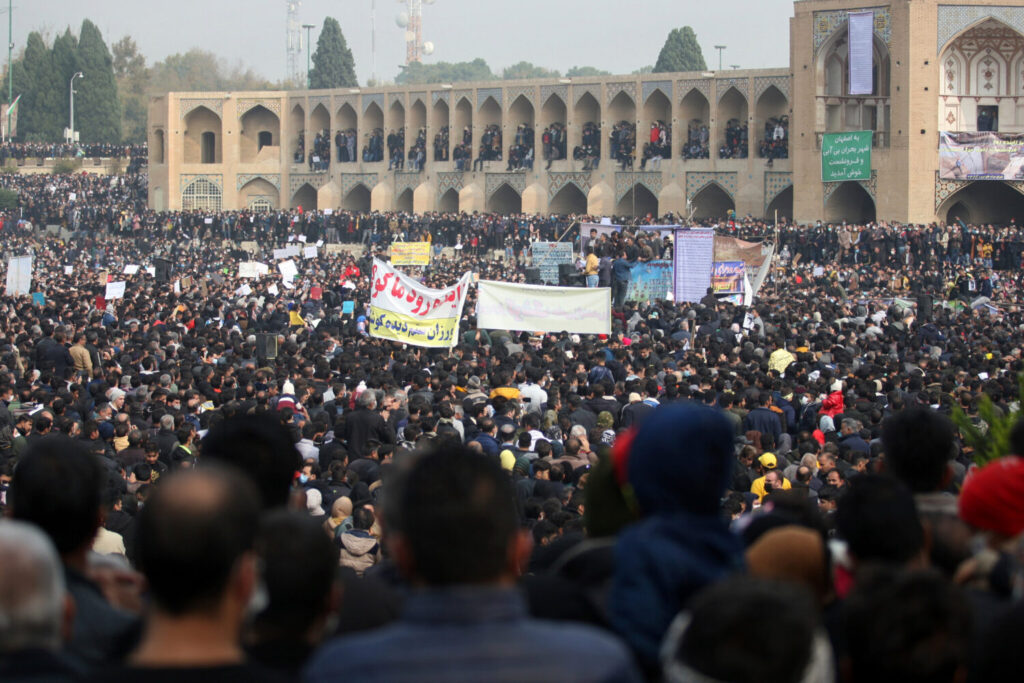
Sanctions bite too, blocking access to modern tech and foreign investment, while the June 2025 12-day war with Israel bombed key infrastructure, delaying repairs amid blackouts.The toll? Protests simmer from Khuzestan to Mashhad, echoing 2021 uprisings where farmers torched tires over diverted rivers. Over 27,000 villages lack safe water, displacing thousands to urban slums.
Tehran, built on seismic fault lines and now sinking, faces “Day Zero” within weeks if trends hold. A September survey? 75% of Iranians finger “domestic mismanagement,” not sanctions or climate alone. As one Tehran shopkeeper told Reuters, “In a resource-rich country, this is criminal negligence.”
A Dam Legacy: Monumental Builds, Monumental Costs
Iran’s dam-building frenzy has been a cornerstone of its development narrative, transforming the nation into the world’s third-largest dam constructor after China and Japan. As of 2025, Iran boasts over 600 completed dams (including 523 large ones), with 88 more under construction and hundreds planned, adding roughly two billion cubic meters of water reserves annually—at least on paper.
But this infrastructure boom, accelerating post-1979 Revolution, has exacerbated scarcity by disrupting natural flows, evaporating vast volumes, and salinizing rivers, with experts estimating dams contribute to the loss of five billion cubic meters of renewable water yearly.
Pre-Revolution, foreign advisors helped build 14 major dams; since then, domestic capacity exploded, with 200+ contracting firms, 70 consultants, and 30 corporations fueling the surge—often at the expense of environmental reviews.Major projects highlight the scale and controversy.

The Gotvand Dam (completed 2011 on the Karun River) ballooned from an estimated $1.65 billion to $3.3 billion due to overlooked salt domes that now poison downstream waters, irrigating over 30,000 hectares but rendering them saline. The Karkheh Dam (2001, Khuzestan), Iran’s largest reservoir at 5.9 billion cubic meters, cost around $1.5 billion (adjusted estimates) and involved 120 contractors, but its siltation has halved its lifespan. Dez Dam (1963, 203m tall, $200 million in era dollars) was a Pahlavi-era flagship for flood control and hydropower (520 MW). Karun-3 (2005, 205m) and Karun-4 (2010, 230m) each ran about $1 billion, generating 2,280 MW combined but criticized for seismic risks.
The flagship Bakhtiari Dam (under construction since 2013, 325m—the world’s tallest upon completion) is budgeted at $2 billion, with a 4.8 billion cubic meter reservoir for 1,500 GWh annually. Chamshir Dam (nearing finish, $500 million Chinese-financed) risks similar salinization near ancient sites.Approvals often bore the stamp of powerful figures. Pre-Revolution Shah Mohammad Reza Pahlavi championed early icons like Dez.
Post-1979, President Akbar Hashemi Rafsanjani (1989–1997)—dubbed “Construction Commander”—oversaw a dam every 45 days, empowering IRGC’s engineering arm. President Mahmoud Ahmadinejad (2005–2013) inaugurated Karun-4 and broke ground on Bakhtiari amid fanfare. President Hassan Rouhani (2013–2021) greenlit Khoda Afarin (with Azerbaijan, 2016) and paused some for environmental scrutiny, though few halted. Supreme Leader Ali Khamenei has long backed the push via the IRGC, framing dams as self-sufficiency pillars.
The total tab? Opaque, but estimates peg cumulative dam investments at over $50 billion since 1979, rivaling petrochemical outlays—funded by oil revenues, state budgets, and loans. Critics decry overruns (average 56% per project) and corruption, with 80% of dams exceeding timelines by 44%.At the helm: IRGC’s Khatam al-Anbiya Construction Headquarters (KAA), the “water mafia’s” muscle, snagging 90% of megaprojects via no-bid contracts. Sepasad Engineering (IRGC subsidiary) built Karkheh; Mahab Ghodss Consulting Engineers designs most, often ignoring warnings. Iran Water & Power Resources Development Company (IWPCO, state-owned) owns and oversees, while Tunnel Sadd Ariana and others handle tunnels. Over 5,000 workers per major site, with 40 fatalities at Karkheh alone, underscore the human cost.
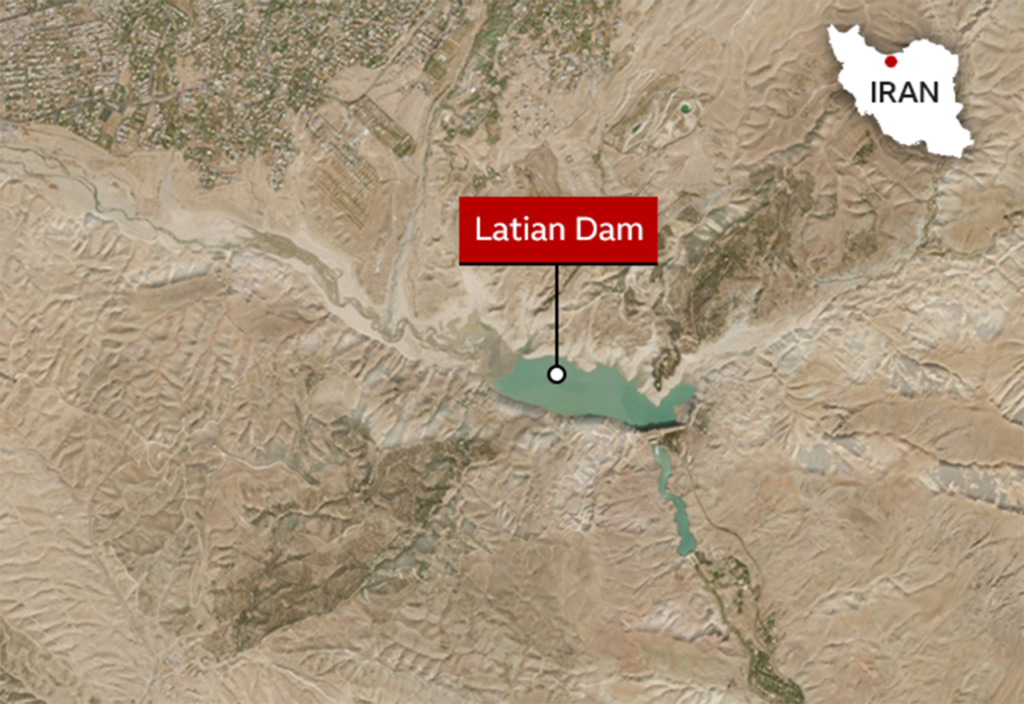
Sanctions have spurred self-reliance (95% domestic now), but at the price of transparency—many contracts layer subcontractors for profit.This dam deluge promised abundance but delivered dust bowls, fueling today’s crisis. As reservoirs hit 42% capacity (down 17% year-over-year), 19 major dams teeter at under 5%, it’s clear: Iran’s concrete behemoths have become tombstones for its waters.
Desperate Gambles: Cloud Seeding and Beyond
Tehran’s response? A frantic mix of prayer and pseudo-science. Mass rainfall pleas at shrines like Imamzadeh Saleh draw crowds, while state media broadcasts cloud-seeding ops—dispersing silver iodide into skies over Lake Urmia. It backfired spectacularly: Monday’s unseasonal downpours triggered flash floods in the west, killing at least five and washing out roads, as drought-hardened soil repels water like concrete.
Officials admit it’s a band-aid; seeding yields mere millimeters against the billions of cubic meters needed.Yet glimmers of innovation pierce the gloom. In Isfahan, engineers have pioneered wastewater recycling for steel production, slashing industrial thirst by 30% and eyeing exports to drought-hit neighbors. Nanobubble tech—micro-aeration for efficient purification—is gaining traction, promising to treat greywater at low cost.
Desalination plants dot the Gulf coast, piping brine-converted fresh water inland, but energy demands (fueled by subsidized fossil fuels) undermine gains. President Pezeshkian floats relocating the capital to water-rich Makran, but experts scoff: it’s a distraction from root fixes like pricing water to reflect scarcity or subsidizing drip irrigation over flood methods.
Major Dams in Iran: Key Projects and Their Impacts
Iran has constructed over 600 dams since the 1950s (with approximately 523 large dams operational as of 2025, per recent estimates), making it one of the world’s top dam-building nations. However, this infrastructure boom—driven by post-revolution policies—has cost an estimated $50 billion cumulatively, often through IRGC-linked firms like Khatam al-Anbiya Construction Headquarters and Sepasad Engineering, which secure no-bid contracts. Approvals frequently align with political eras: Shah Mohammad Reza Pahlavi for pre-1979 projects, Akbar Hashemi Rafsanjani (1989–1997) for the reconstruction surge (earning him the “Construction Commander” moniker), Mahmoud Ahmadinejad (2005–2013) for energy-focused builds, and ongoing Supreme Leader Ali Khamenei-backed initiatives via the IRGC.
Below is a table summarizing select major dams, highlighting construction details, costs, and involvement.
| Dam Name | Completion Year | Height (m) | Capacity (BCM) | Approx. Cost (USD) | Approving Politician/Key Figure | Companies Involved |
|---|---|---|---|---|---|---|
| Dez Dam | 1963 | 203 | 3.4 | $200 million (era-adjusted) | Shah Mohammad Reza Pahlavi | Foreign advisors (pre-revolution); domestic firms |
| Karkheh Dam | 2001 | 127 | 5.9 | $1.5 billion | Akbar Hashemi Rafsanjani | Sepasad Engineering (IRGC); 120 contractors |
| Karun-3 Dam | 2005 | 205 | 3.1 | $1 billion | Mahmoud Ahmadinejad | Khatam al-Anbiya (IRGC); Mahab Ghodss Consulting |
| Gotvand Dam | 2011 | 180 | 4.5 | $3.3 billion (overrun from $1.65B) | Mahmoud Ahmadinejad | Khatam al-Anbiya (IRGC); Mahab Ghodss |
| Karun-4 Dam | 2010 | 230 | 2.9 | $1 billion | Mahmoud Ahmadinejad | IRGC subsidiaries; IWPCO (state-owned) |
| Marun Dam | 1998 | 175 | 1.7 | ~$800 million | Akbar Hashemi Rafsanjani | Sepasad Engineering (IRGC) |
| Bakhtiari Dam (under construction) | Expected 2025–2030 | 325 | 4.8 | $2 billion | Mahmoud Ahmadinejad (groundbreaking); Khamenei oversight | Khatam al-Anbiya (IRGC) |
| Chamshir Dam (nearing completion) | Expected 2025 | 150 | 2.0 | $500 million | Hassan Rouhani (2013–2021) | Chinese-financed; IRGC contractors |
| Khoda Afarin Dam | 2016 | 130 | 1.5 | ~$400 million | Hassan Rouhani | Joint with Azerbaijan; Mahab Ghodss |
| Kanjam Cham Dam | Recent (2020s) | 100 | 0.5 | $96 million | Current administration (IRGC-led) | Khatam al-Anbiya (IRGC) |
Notes:
- Capacities are gross reservoir volumes; many dams now operate at 40–50% due to drought and siltation.
- Costs are approximate and often inflated by 50–100% via overruns, benefiting IRGC firms.
- Total cumulative investment in dams since 1979 exceeds $50 billion, funded by oil revenues and state budgets, with IRGC entities like Khatam al-Anbiya controlling ~90% of megaprojects.
- Environmental critiques highlight salinization (e.g., Gotvand) and ecosystem damage, linking to the broader water crisis.
This table focuses on prominent examples; for a full inventory, resources like the Iranian National Committee on Large Dams (IRCOLD) provide extensive lists.
Investments and Tech: The Untapped Lifeline
Iran’s crisis screams for capital infusion, but isolation hampers it. Pre-sanctions, partnerships like the German-Iranian Water Initiative brought drip tech and wetland restoration; now, they’re ghosts.
A $4 billion national plan eyes 96 wastewater reuse projects by 2030, aiming for 70% recycled water, but funding lags. International aid? Slim, though the UN’s Wetlands Program trains farmers in efficient irrigation, saving 20% in pilot villages. Tech like AI-optimized reservoirs or solar-powered desal could transform yields—Israel, Iran’s arid twin, reuses 90% of wastewater via such tools—but Tehran needs eased sanctions for access.
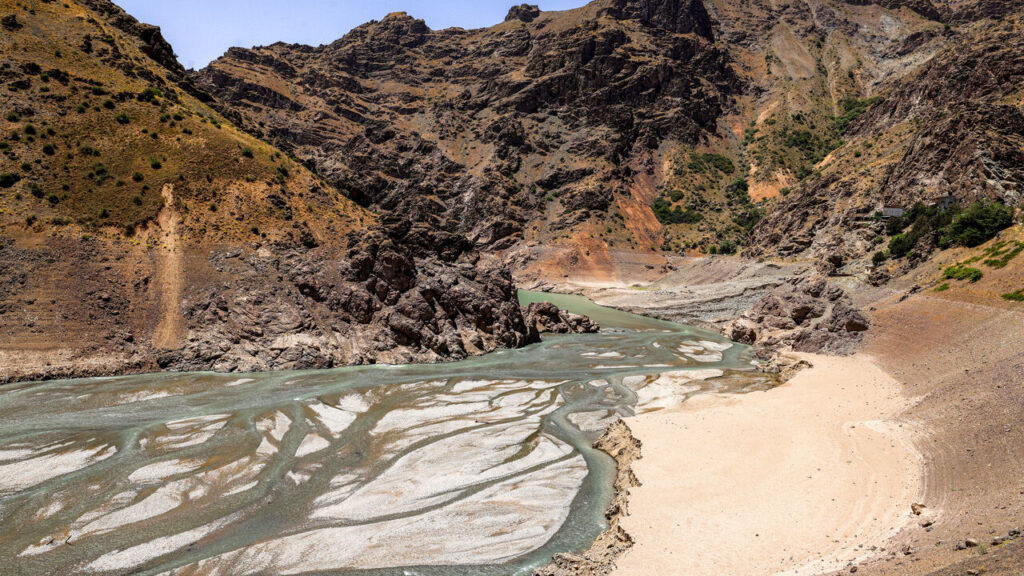
Globally, the blueprint exists. Saudi Arabia’s $80 billion NEOM project bets on solar desal, producing 5 million cubic meters daily by 2030. The World Economic Forum’s 2030 Water Resources Group has unlocked $1 billion in investments for reuse in India and Africa.
Iran’s path? Public-private pacts for modern irrigation (drip systems could save 40 BCM annually) and crop shifts to drought-resilient quinoa over rice. Cost? A national adaptation plan pegs $25 billion yearly—steep, but dwarfed by $300 per capita food import hikes if farms collapse.
A Global Parable: Solutions for Water-Starved Nations
Iran’s agony mirrors a world on the edge: By 2025, half the planet lives in scarcity zones, per UNICEF, with 700 million displaced by 2030. South Asia’s India and Pakistan, where per capita water has plummeted 80% since 1950, eye Iran’s fate in Punjab’s dying aquifers.
Africa’s sub-Saharan belt, home to 1 in 3 facing shortages, battles cholera spikes from tainted wells.
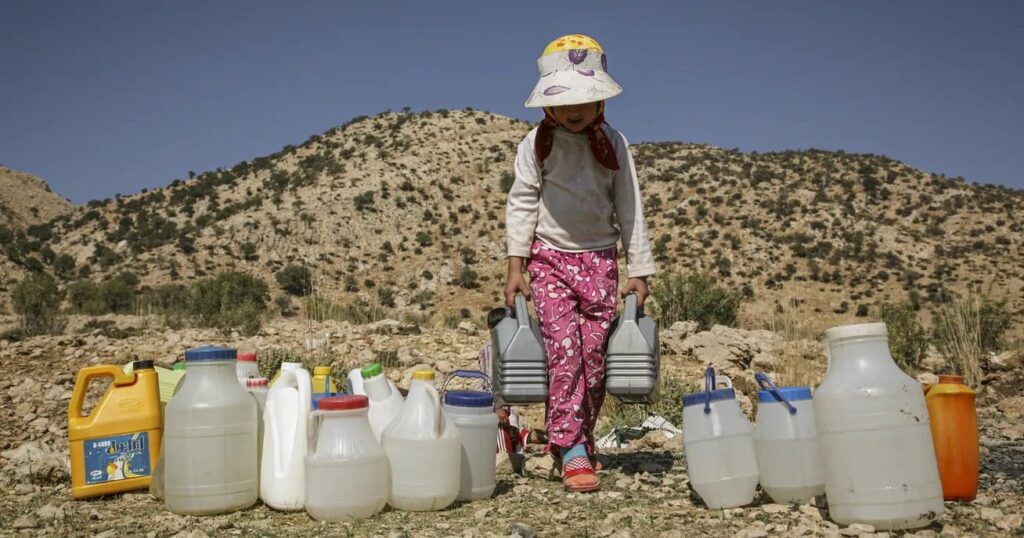
Even Europe stirs—Italy’s Po River dried to dust this summer, prompting a “Water Minister” push.The antidotes? A four-pronged assault, tailored yet universal:
- Tech Revolution: Desalination 2.0—renewable-powered, like Singapore’s Tuas plant yielding 30% of needs—cuts energy costs 50%. Atmospheric water generators pull vapor from air; Israel’s WaterGen units hydrate off-grid villages. Cloud seeding works if scaled smartly, as China’s mega-program shows, boosting rain 15% in arid basins.
- Investment Surge: Blended finance is key. The Nature Conservancy’s $38 million Norfolk fund in the UK blends public cash with private green bonds for reforestation, recharging aquifers 20%. Emerging markets: UNICEF’s solar purifiers in Pakistan serve 50,000 daily at $0.01/liter. Global goal? Triple water infra spend to $1.7 trillion by 2030, per UN-Water, prioritizing equity—women and kids, who haul 80% of rural water, gain most from nearby taps.
- Policy Pivot: Ditch self-sufficiency myths. Iran’s rice obsession wastes 2 BCM yearly; Vietnam imports wisely, thriving. South Africa’s “Working for Water” clears invasives, freeing 10% more flow. Pricing reforms: Tiered tariffs in Cape Town slashed use 60% during 2018’s near-miss.
- Nature’s Comeback: Reforest with natives—India’s Aravalli hills revived streams via Dhok trees. Rainwater harvesting, as in Brazil’s favelas, captures 30% urban runoff. Integrated water management: Jordan’s basin pacts with neighbors prevent “water wars.”
For Iran and kin, hope hinges on collaboration. The EU’s stalled Iran water talks could reboot with JCPOA revival, funneling €82 per capita annually. As X users rally #IranWaterCrisis, the message echoes: Water isn’t infinite; neither is time. Nations must invest not in denial, but in ingenuity—before the taps run silent for good.

Comments